
The Farmer’s Market: An Endangered Species
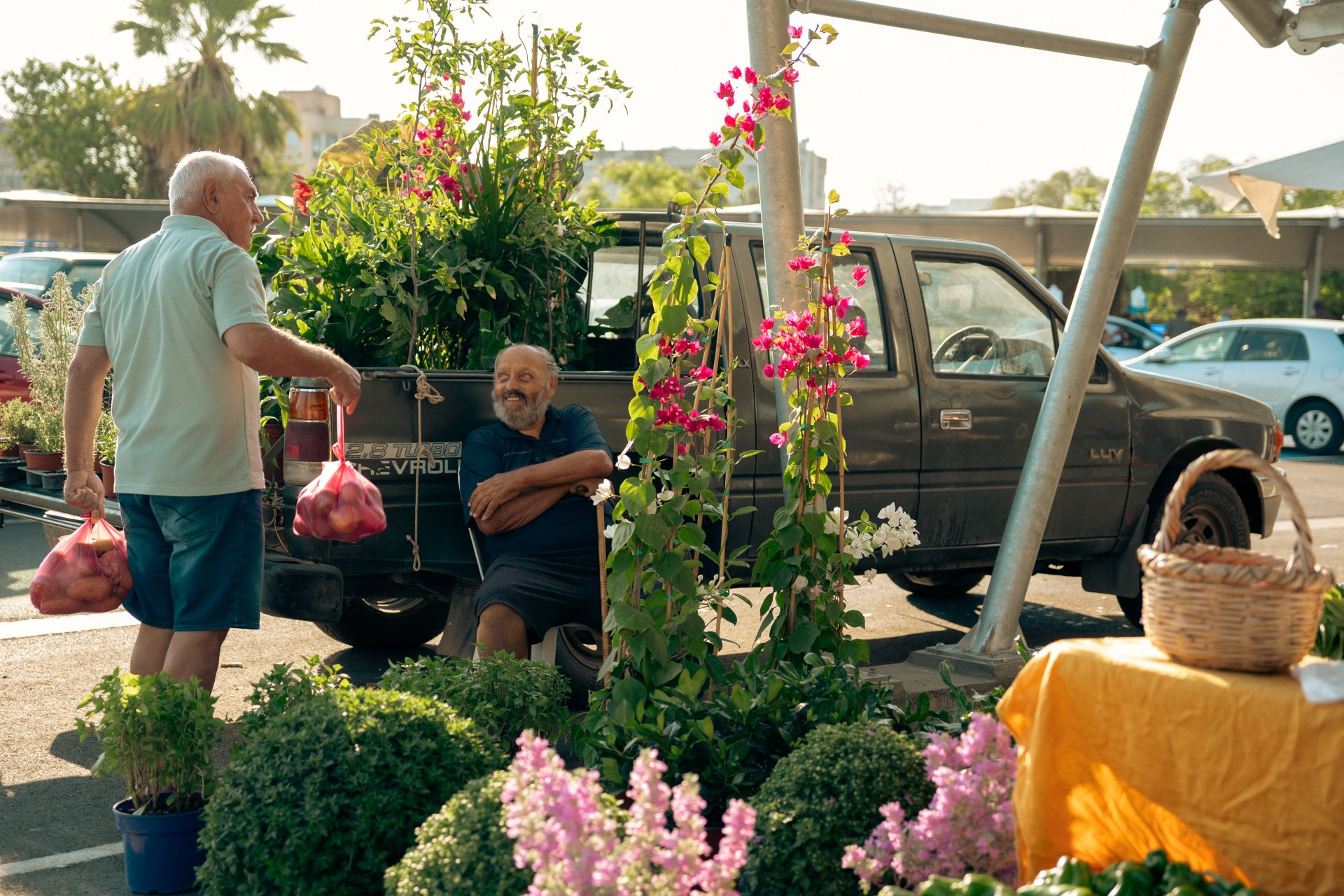
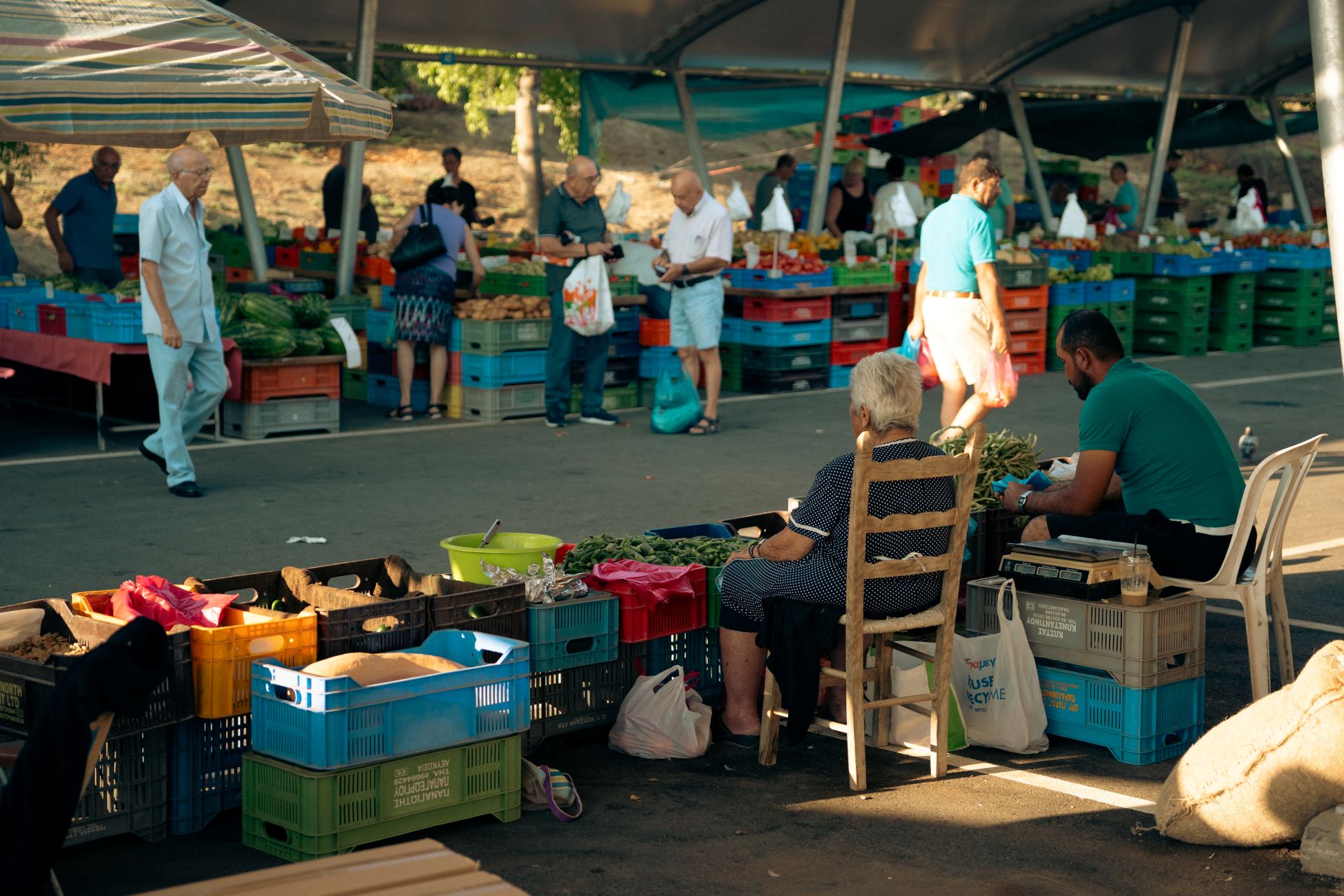
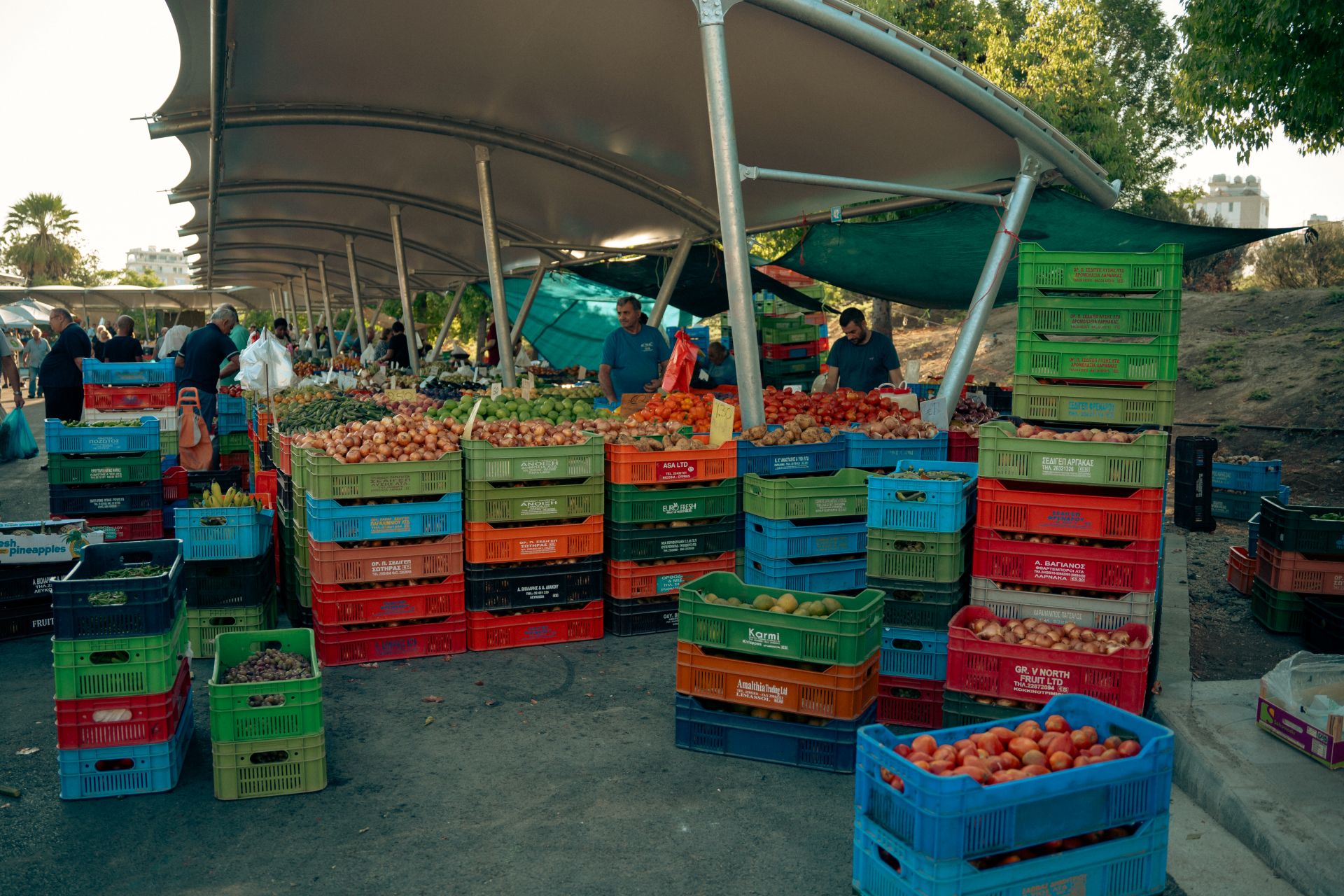
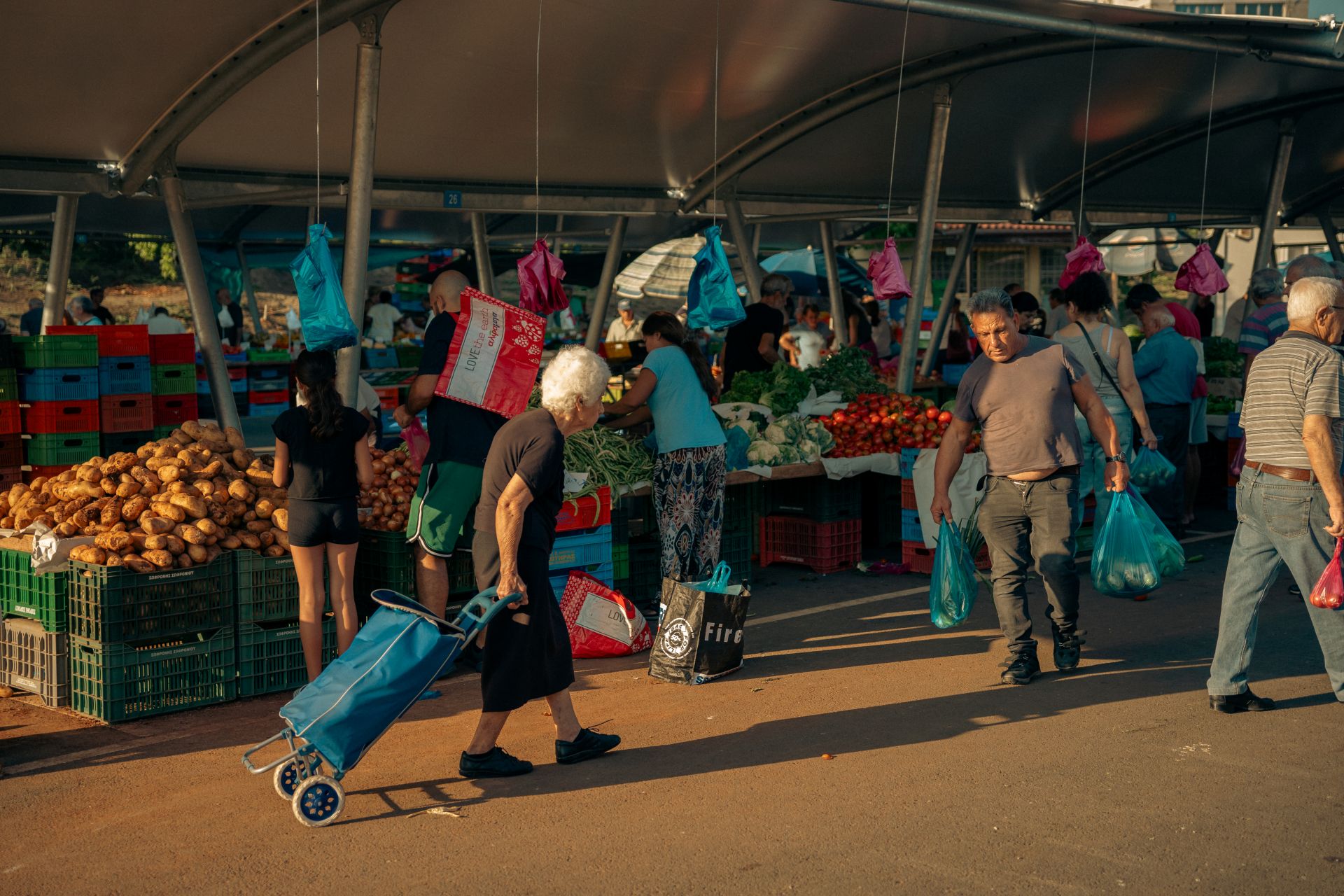
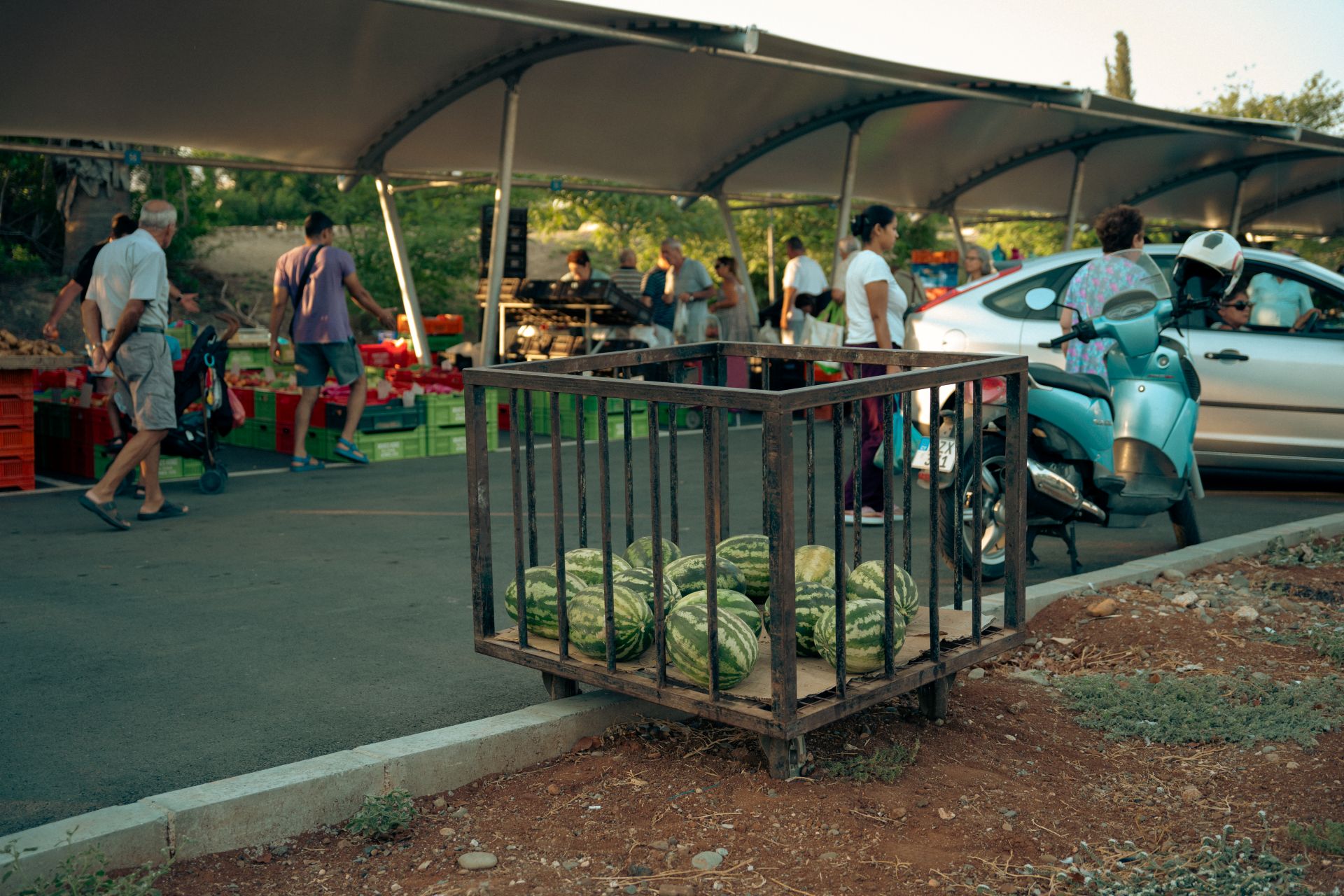
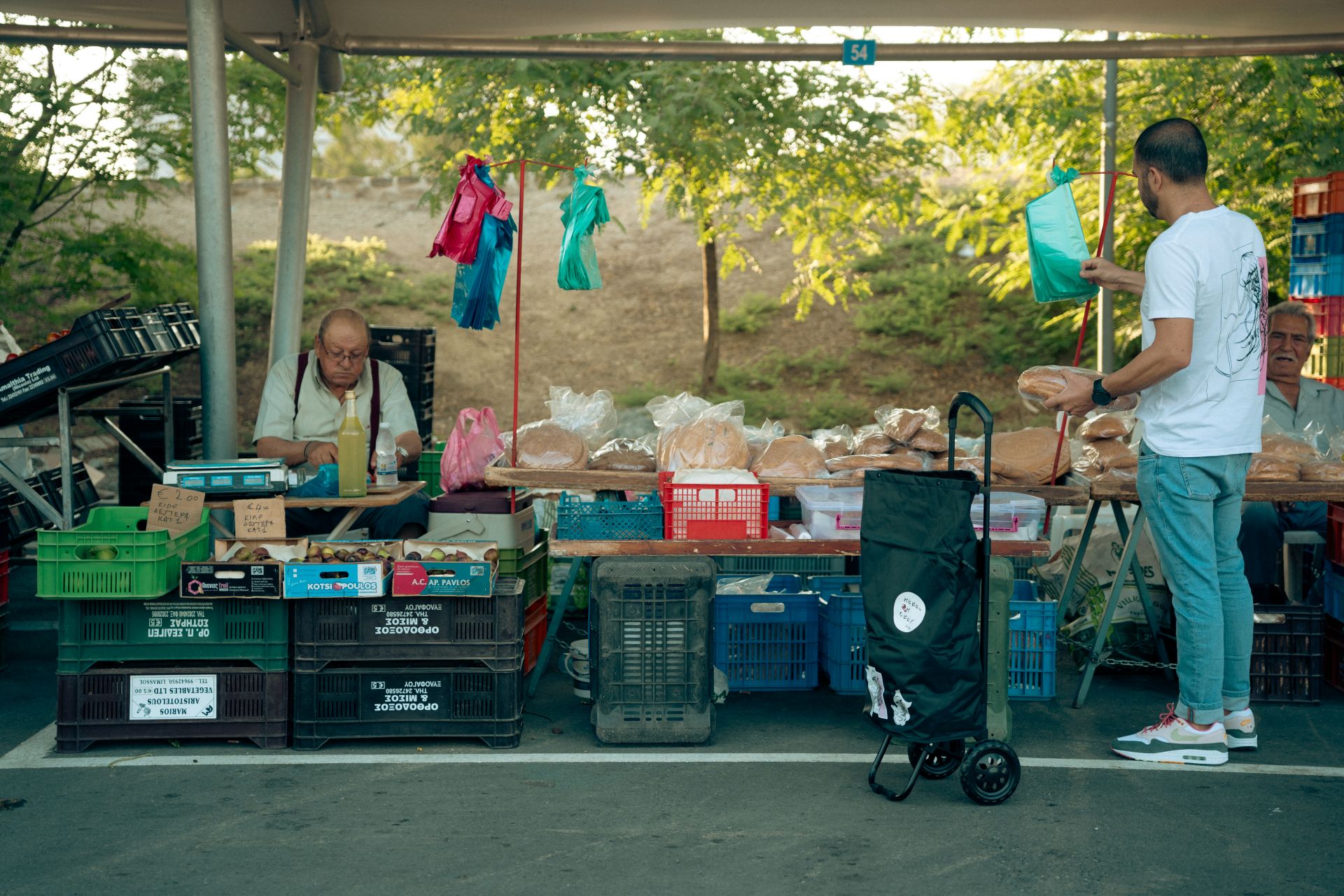
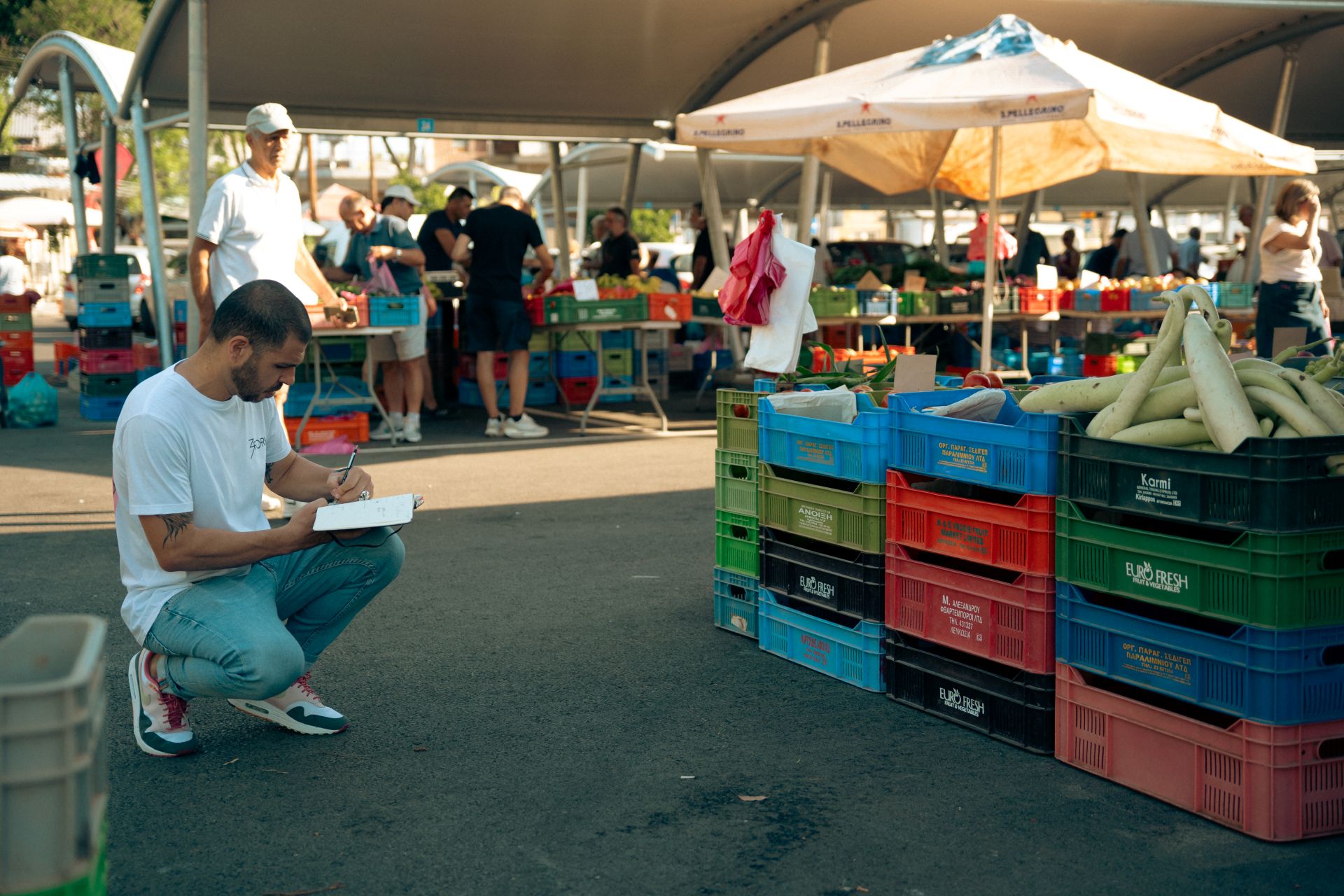
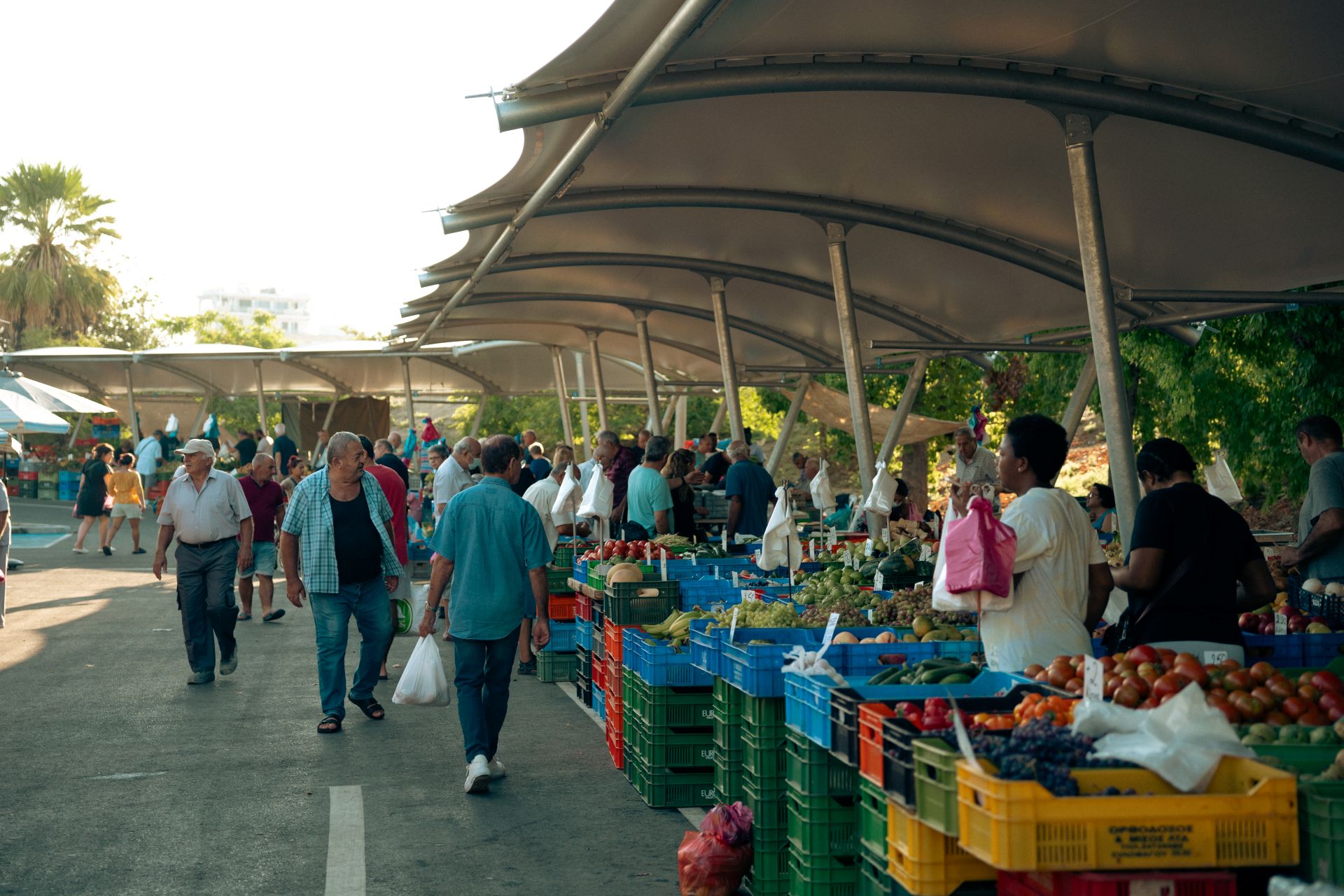
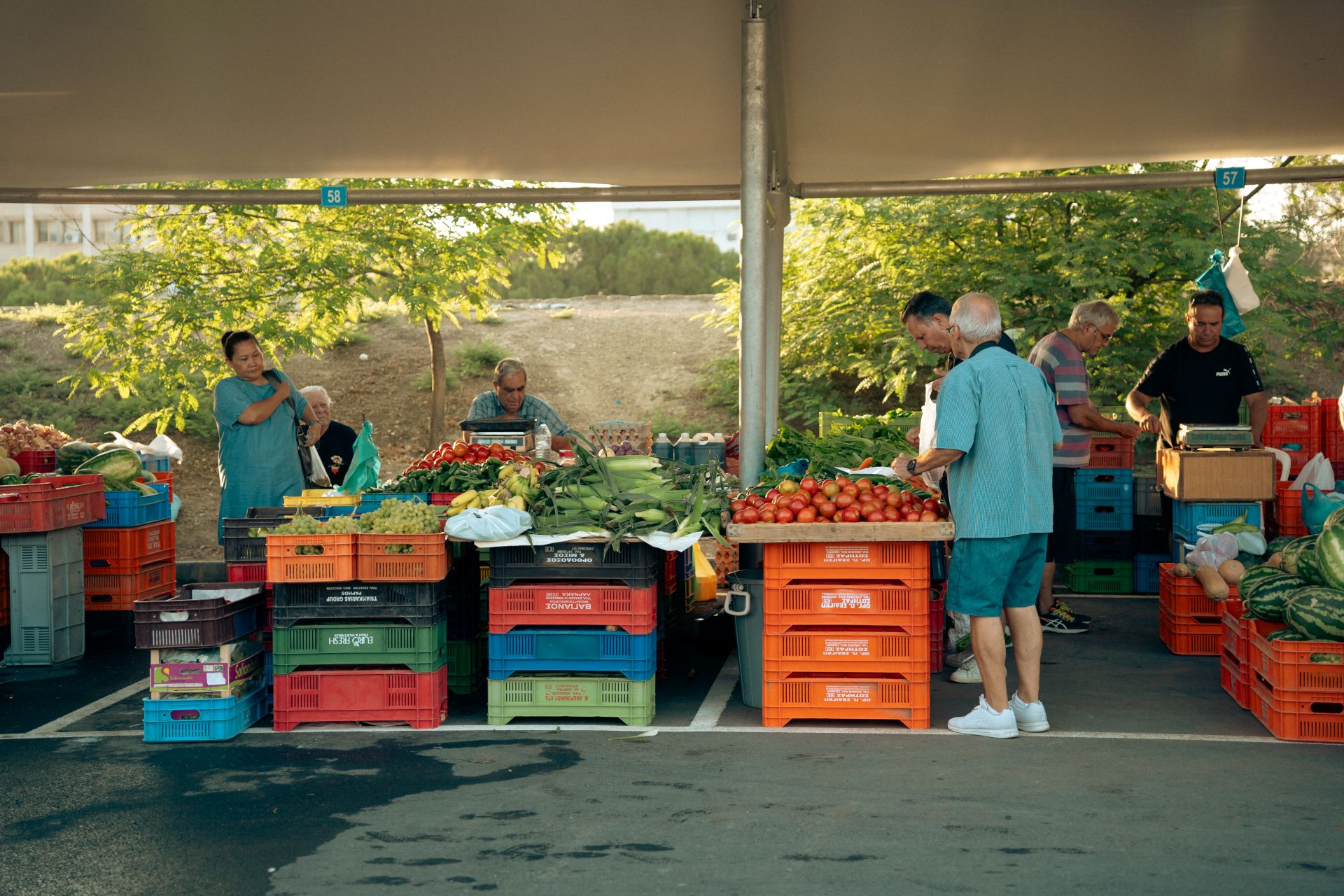
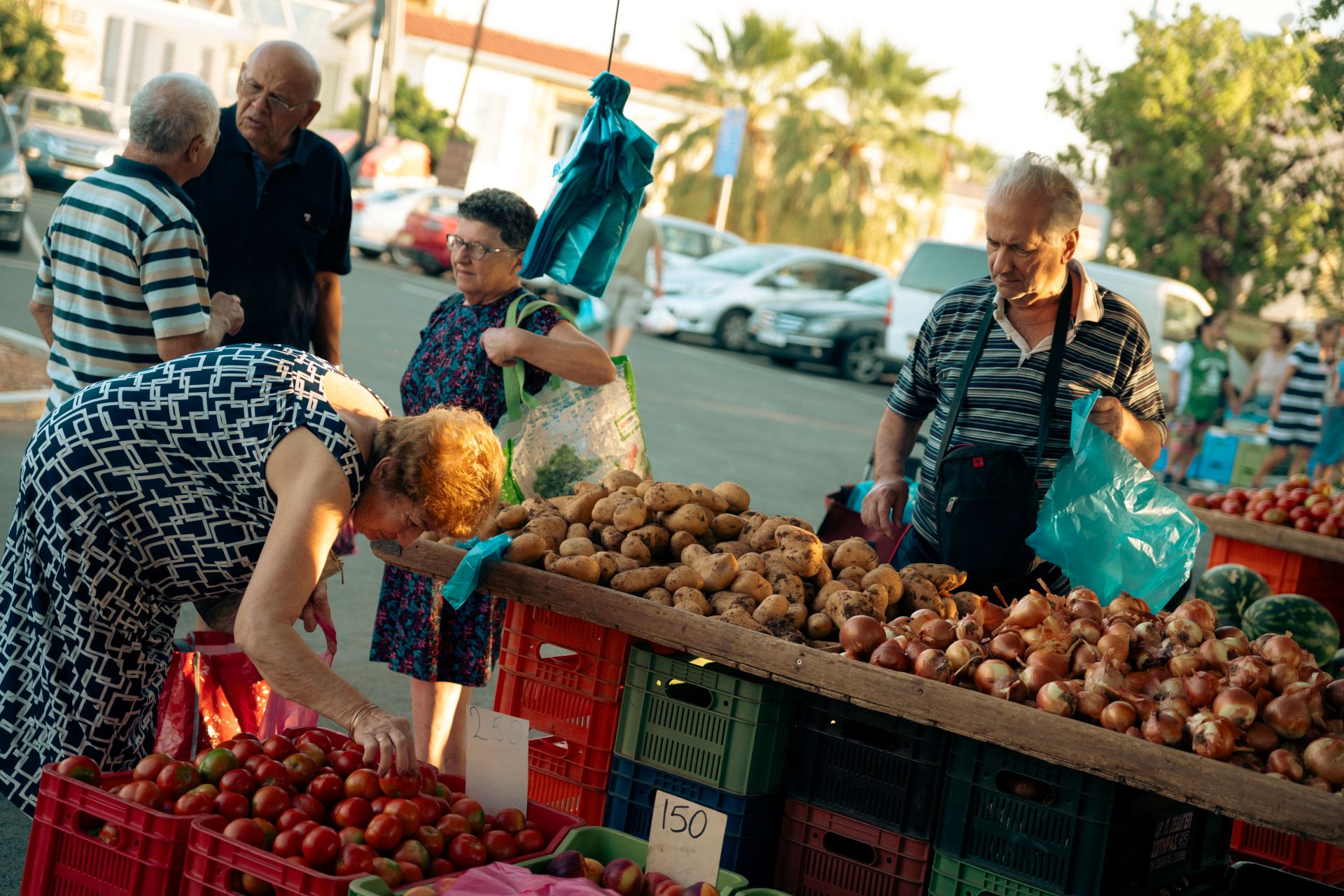
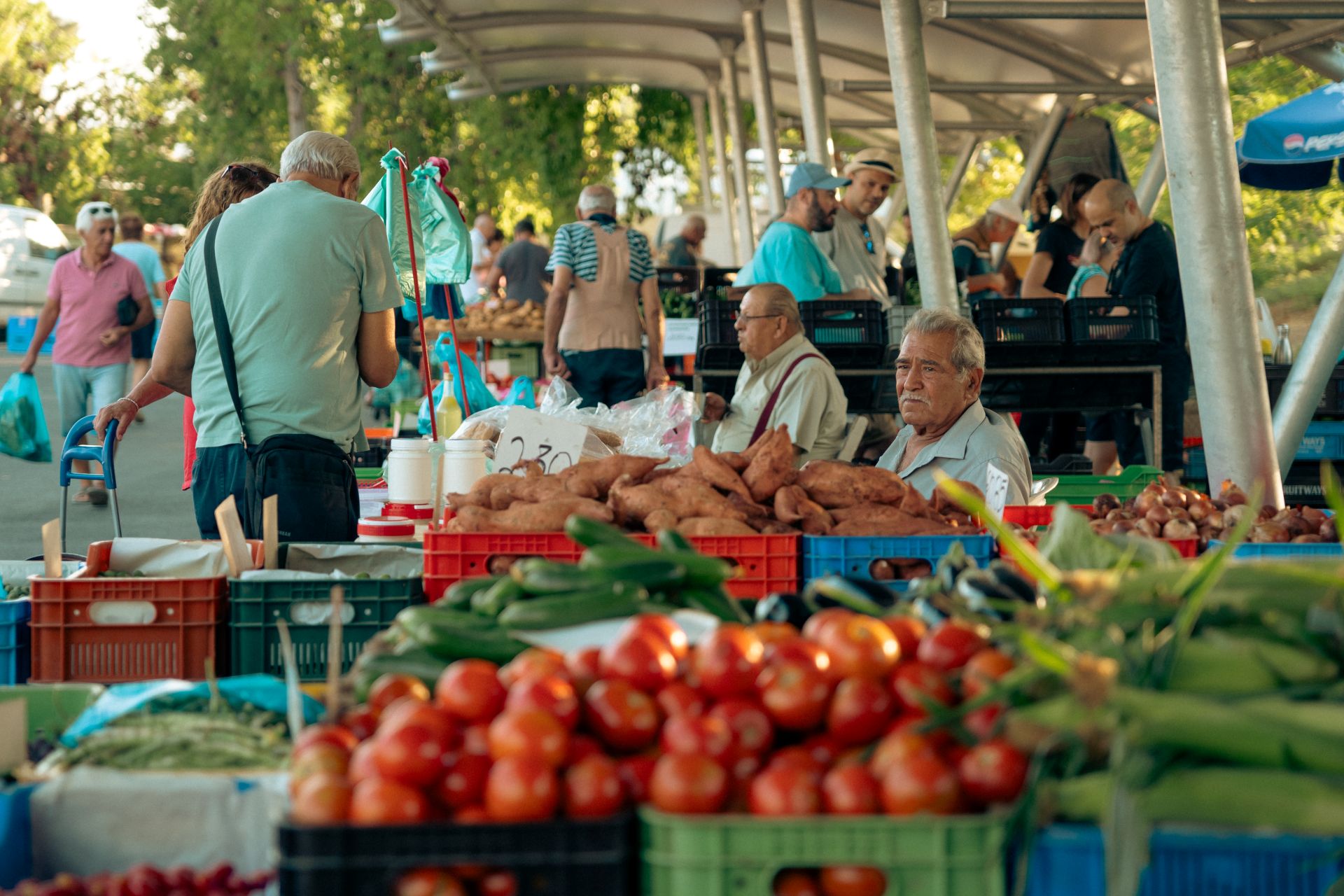
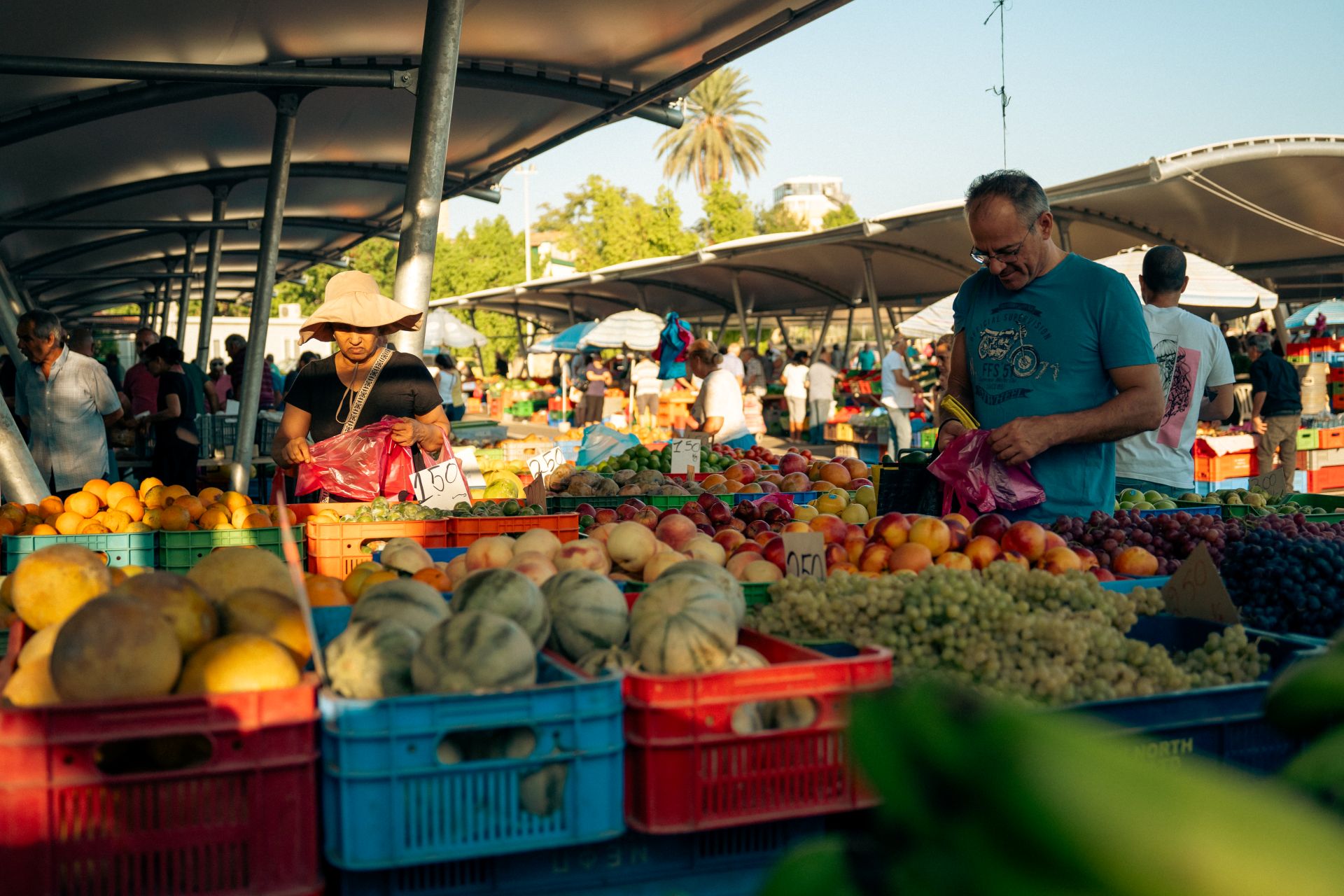
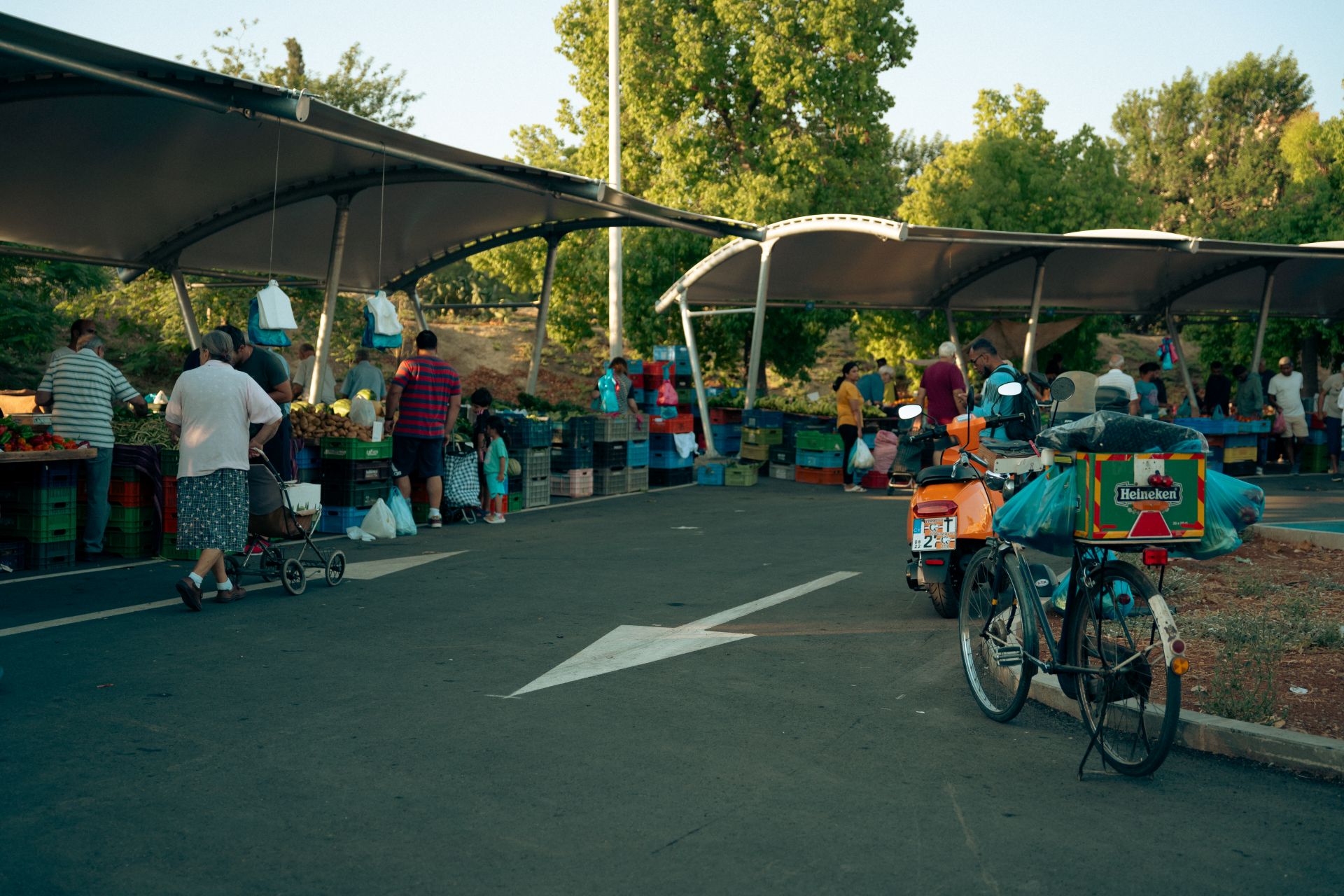
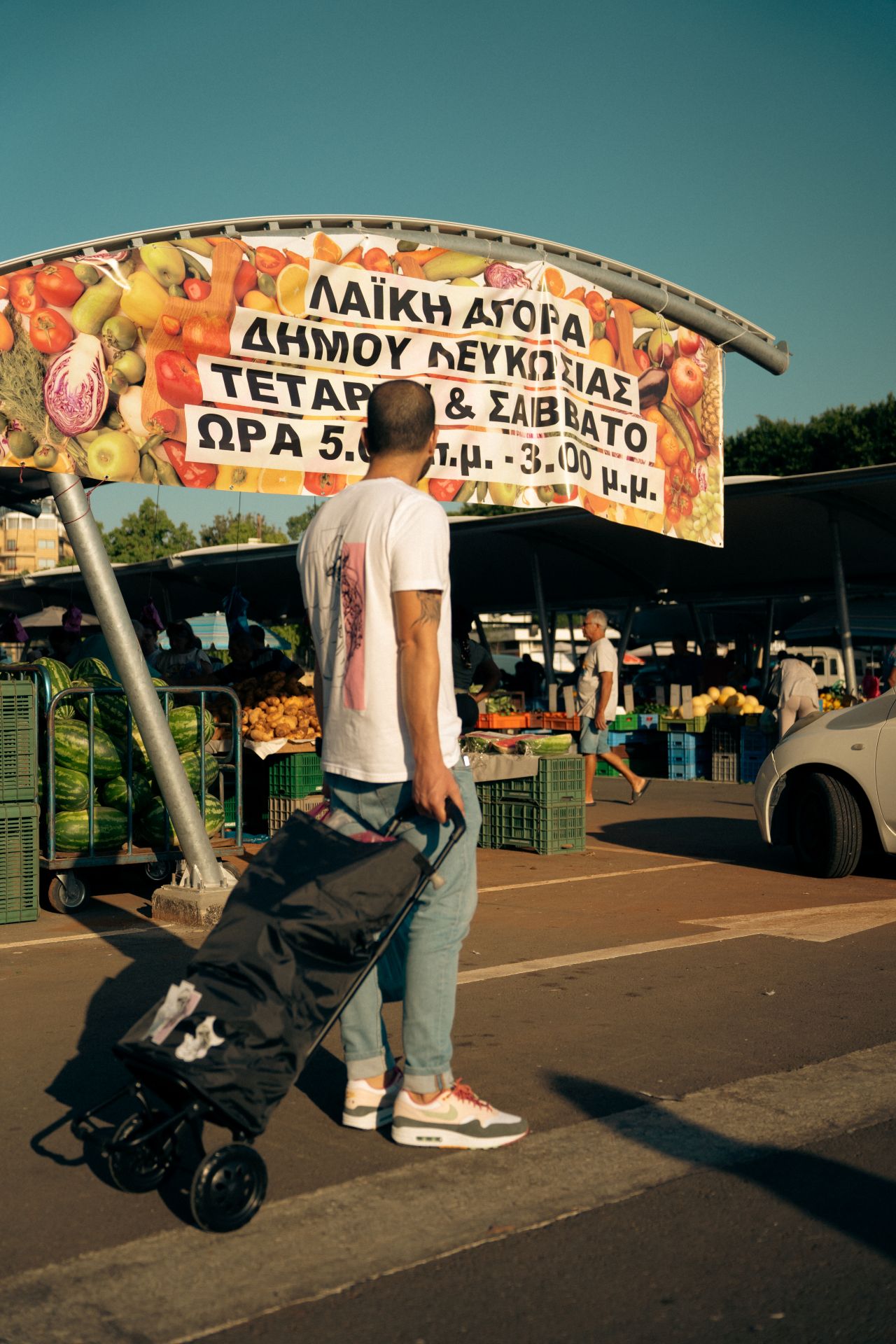
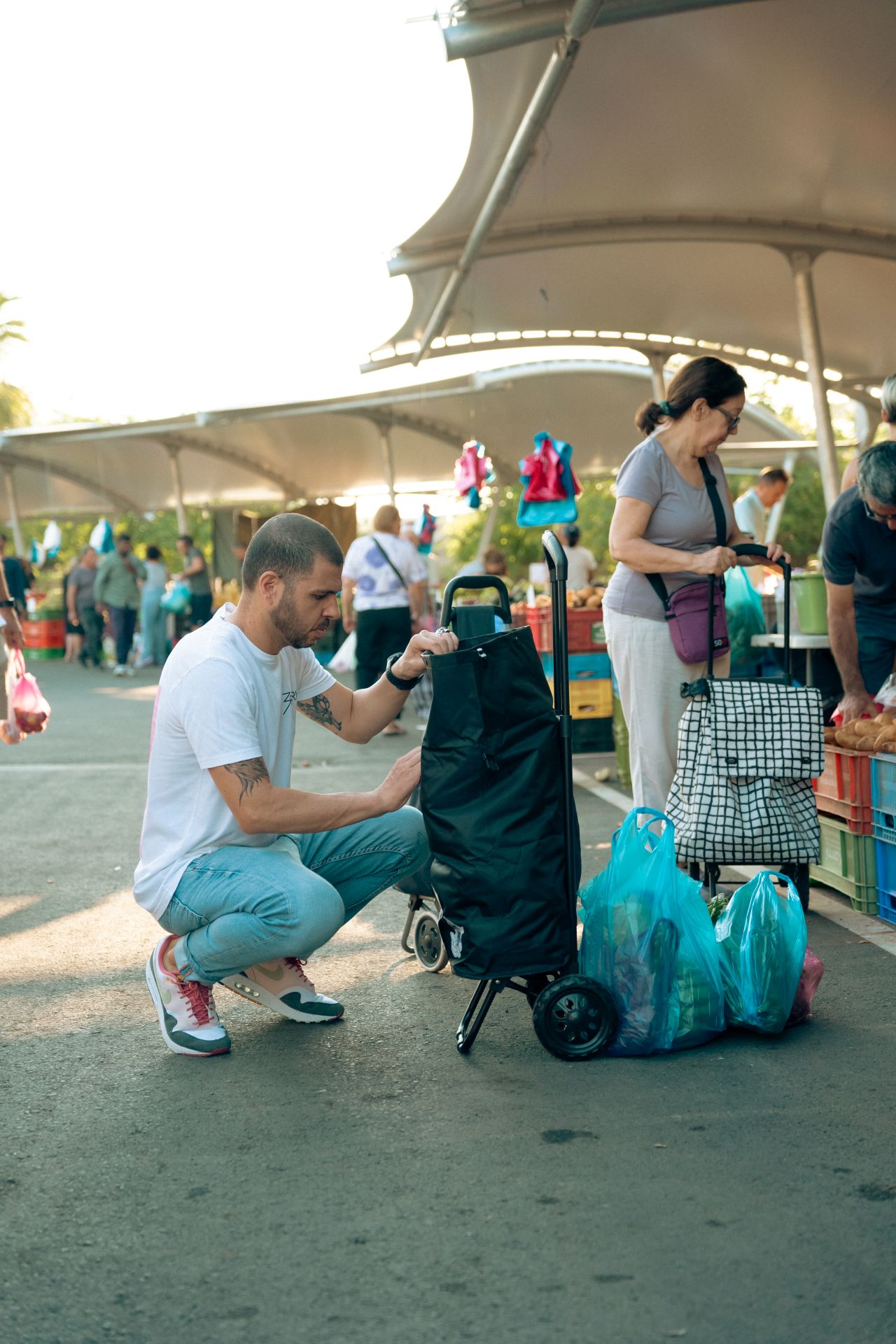
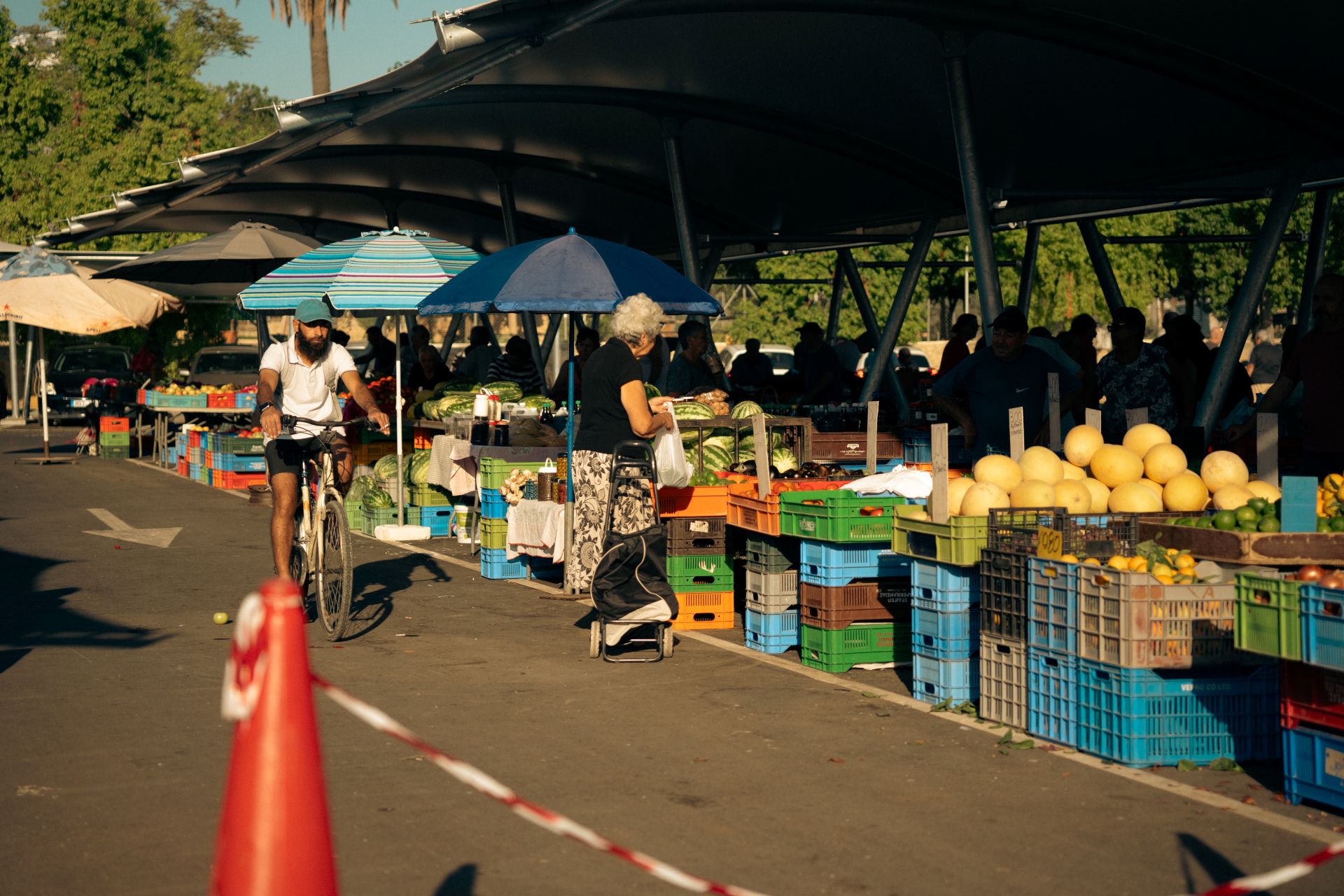
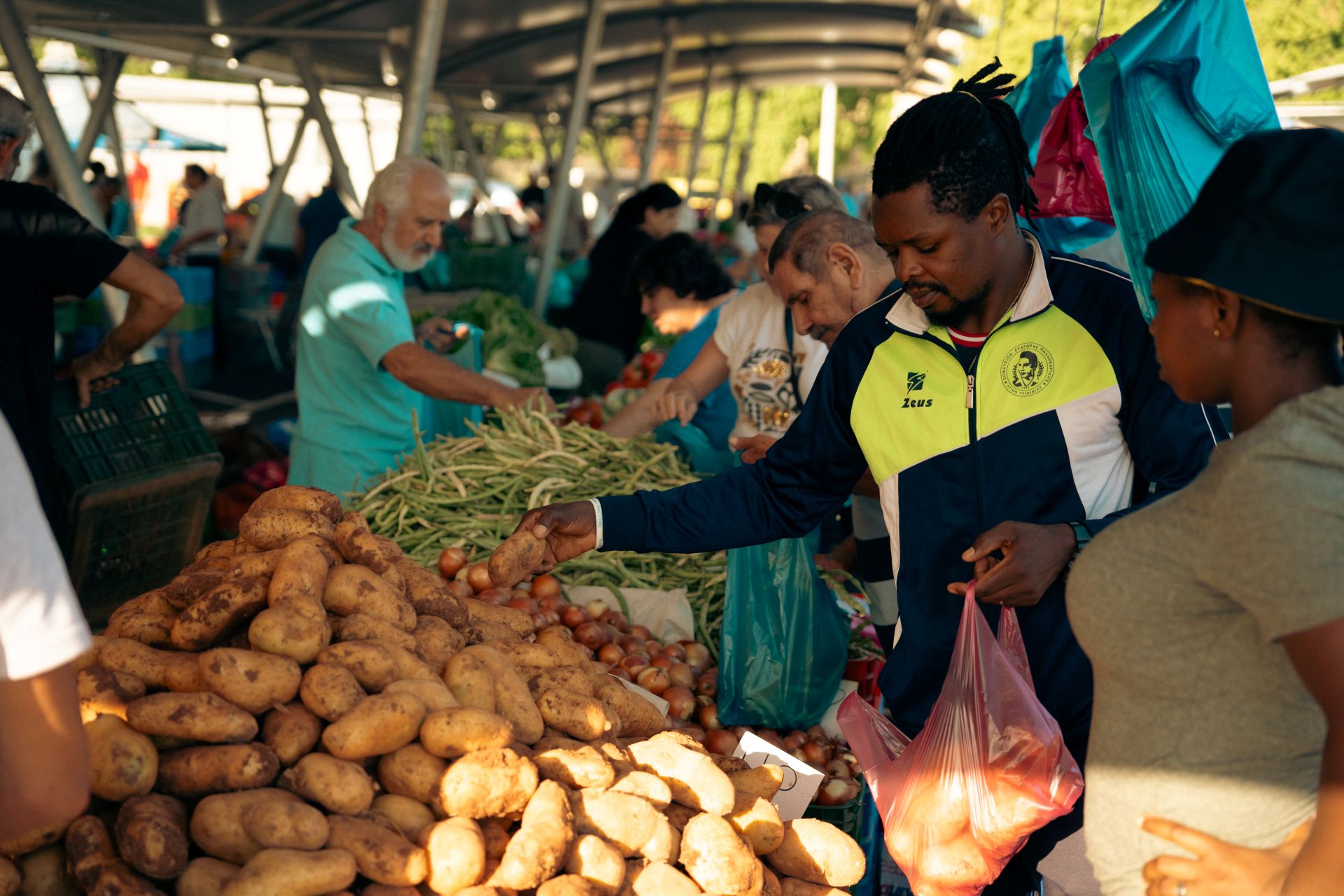
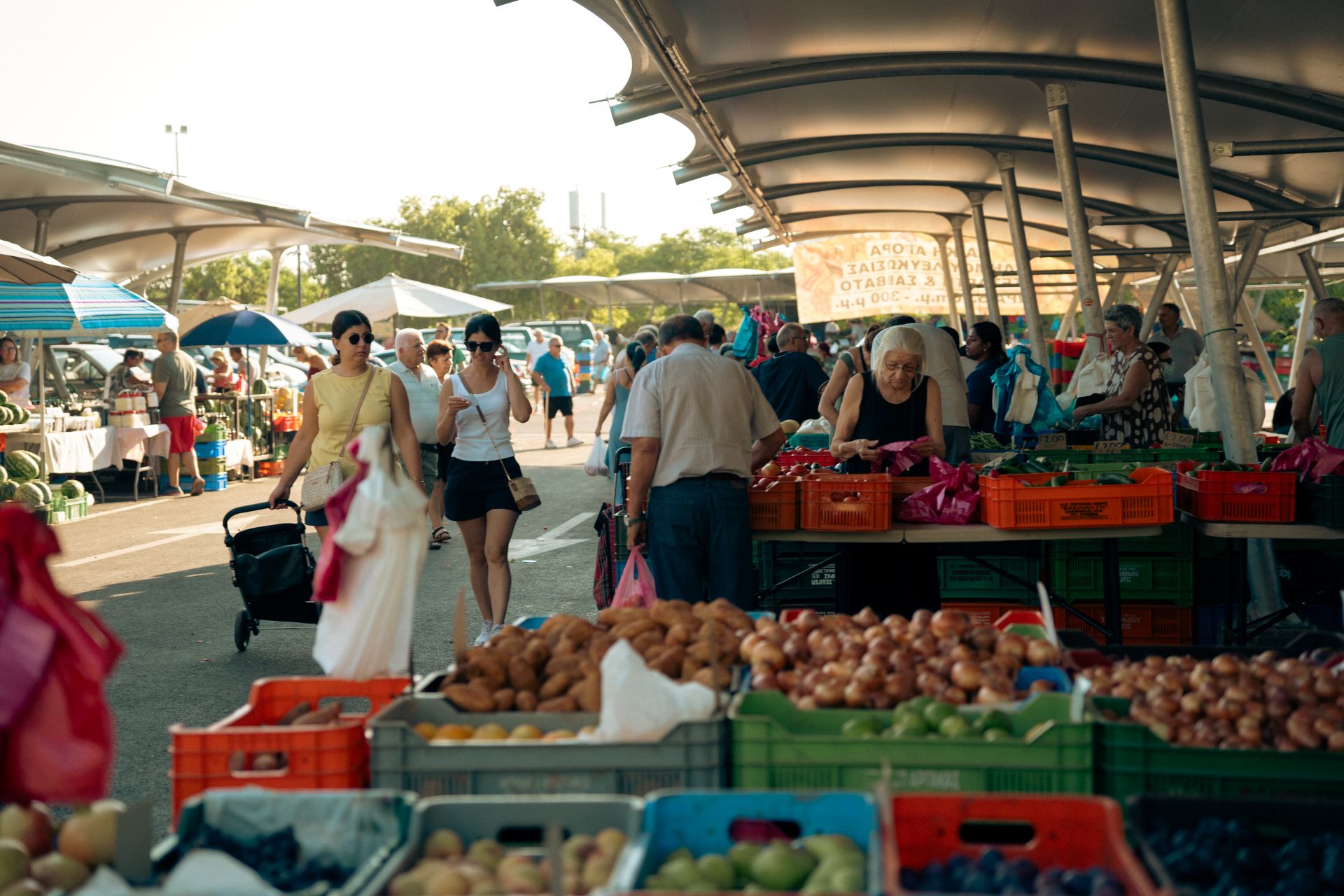
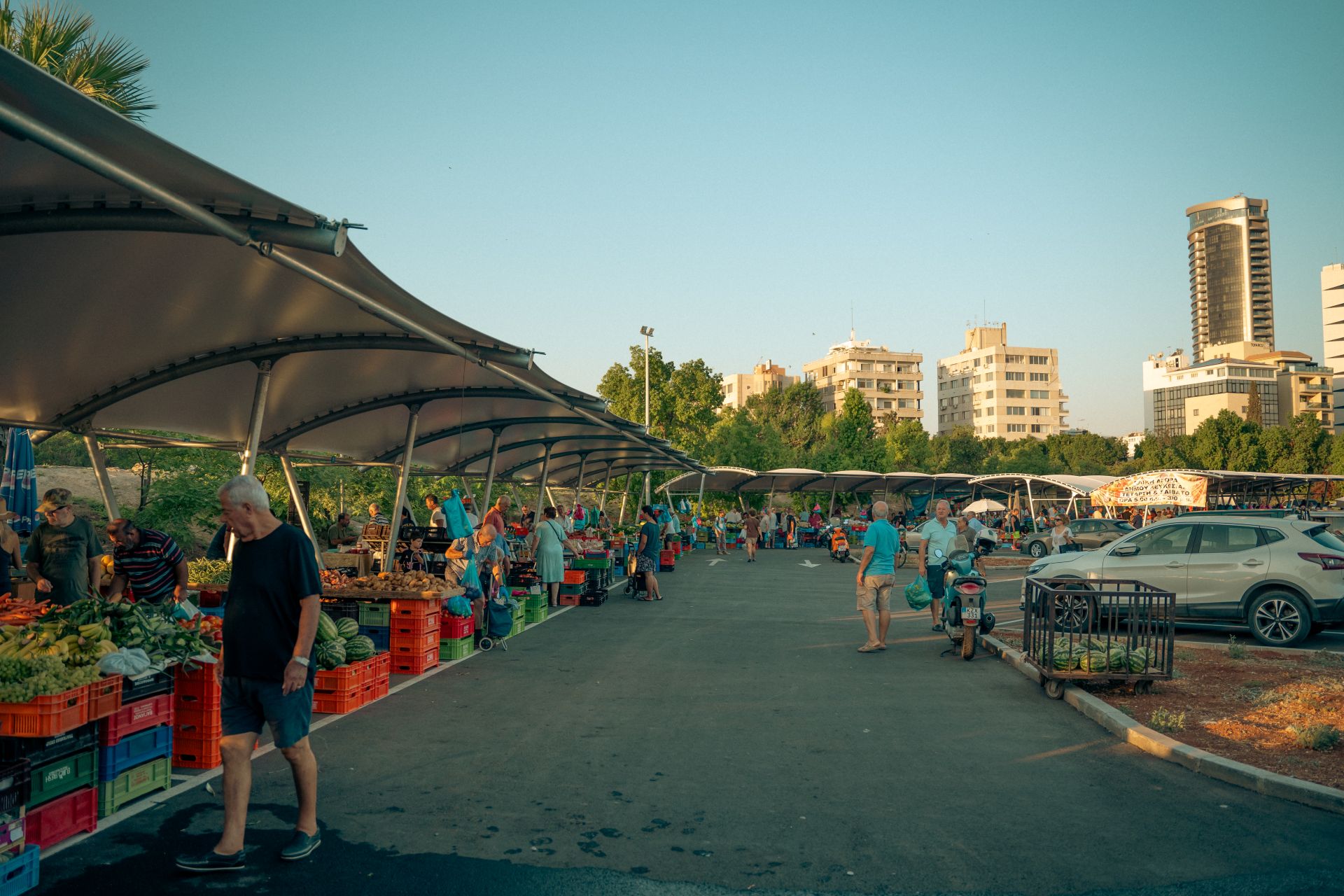
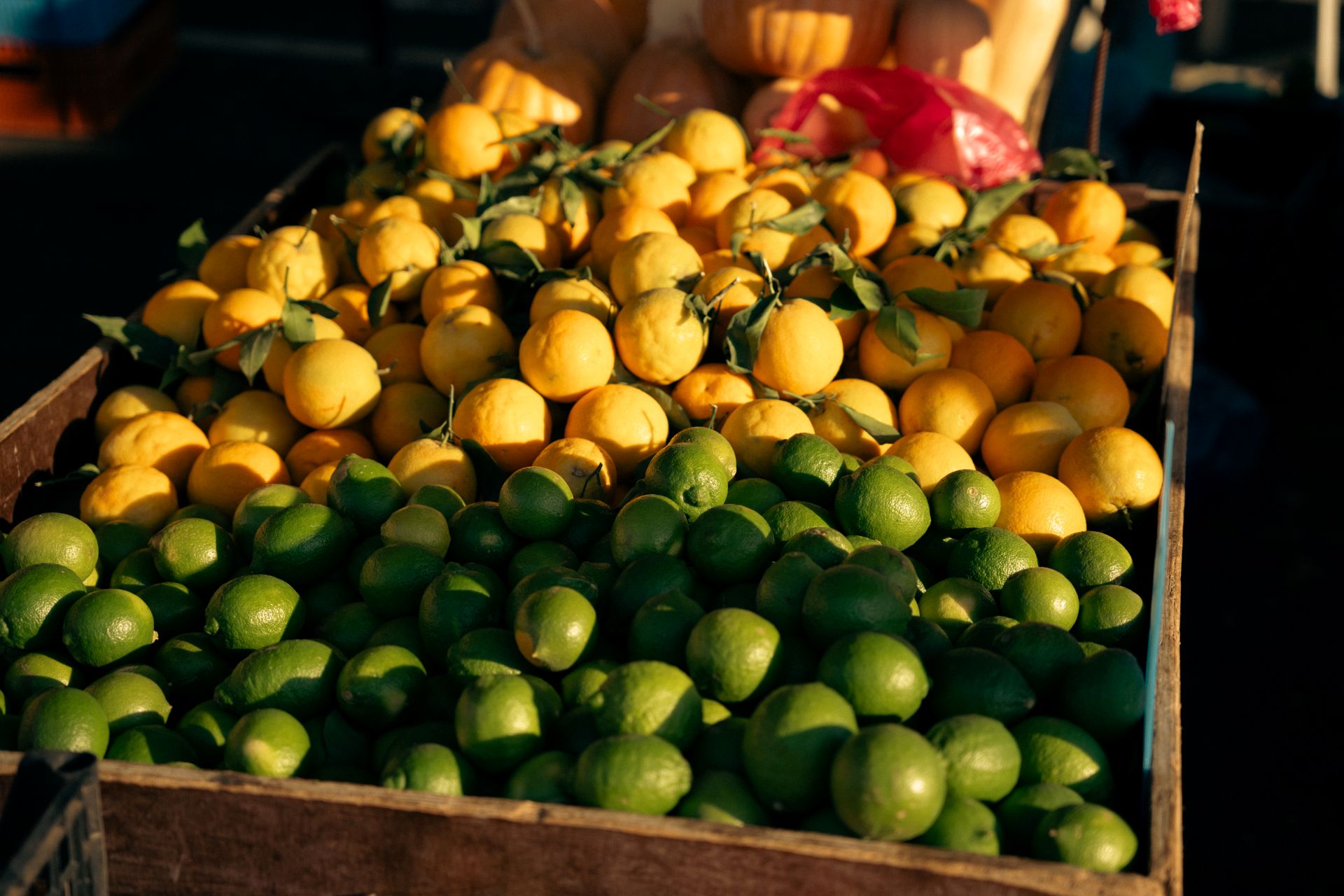
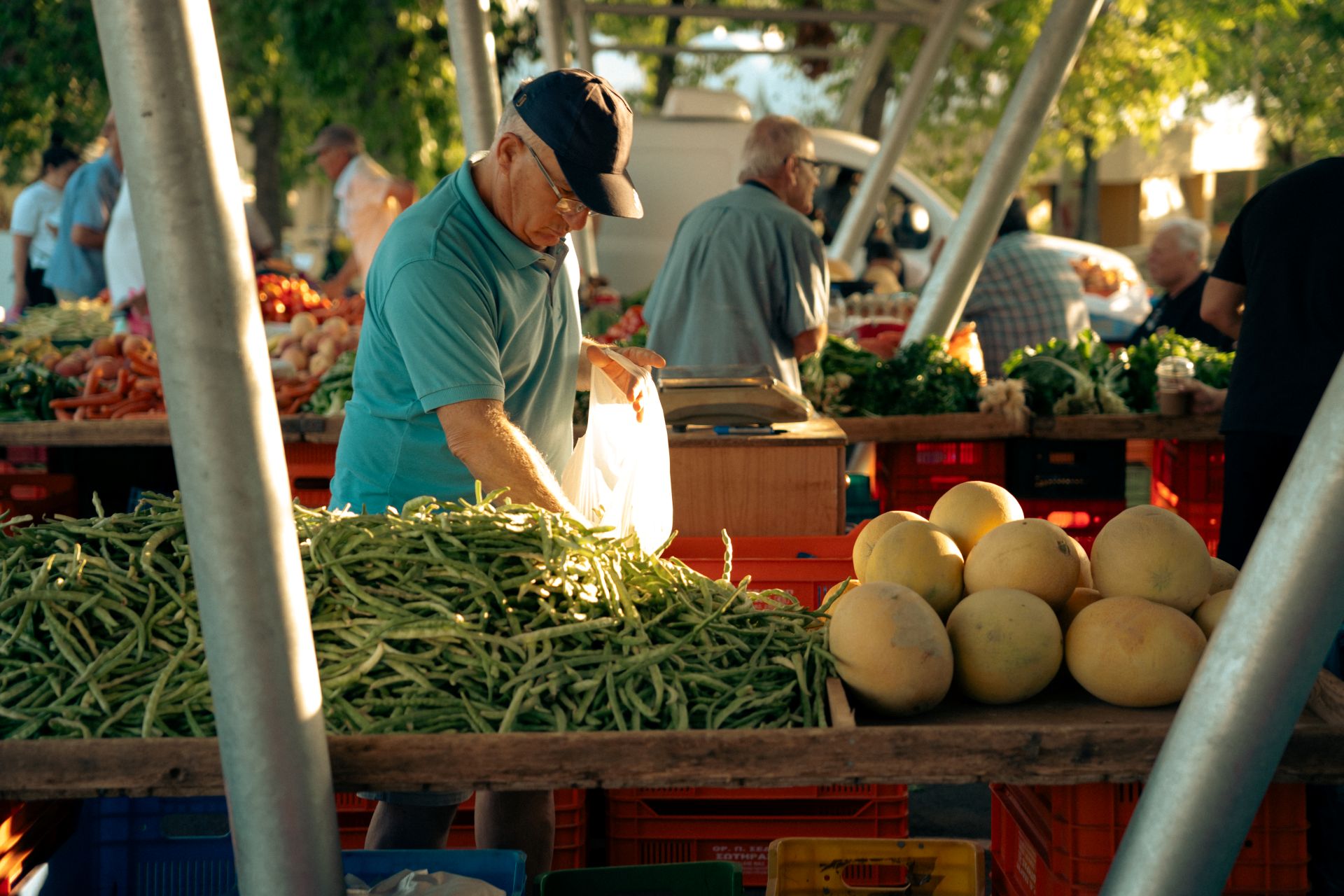
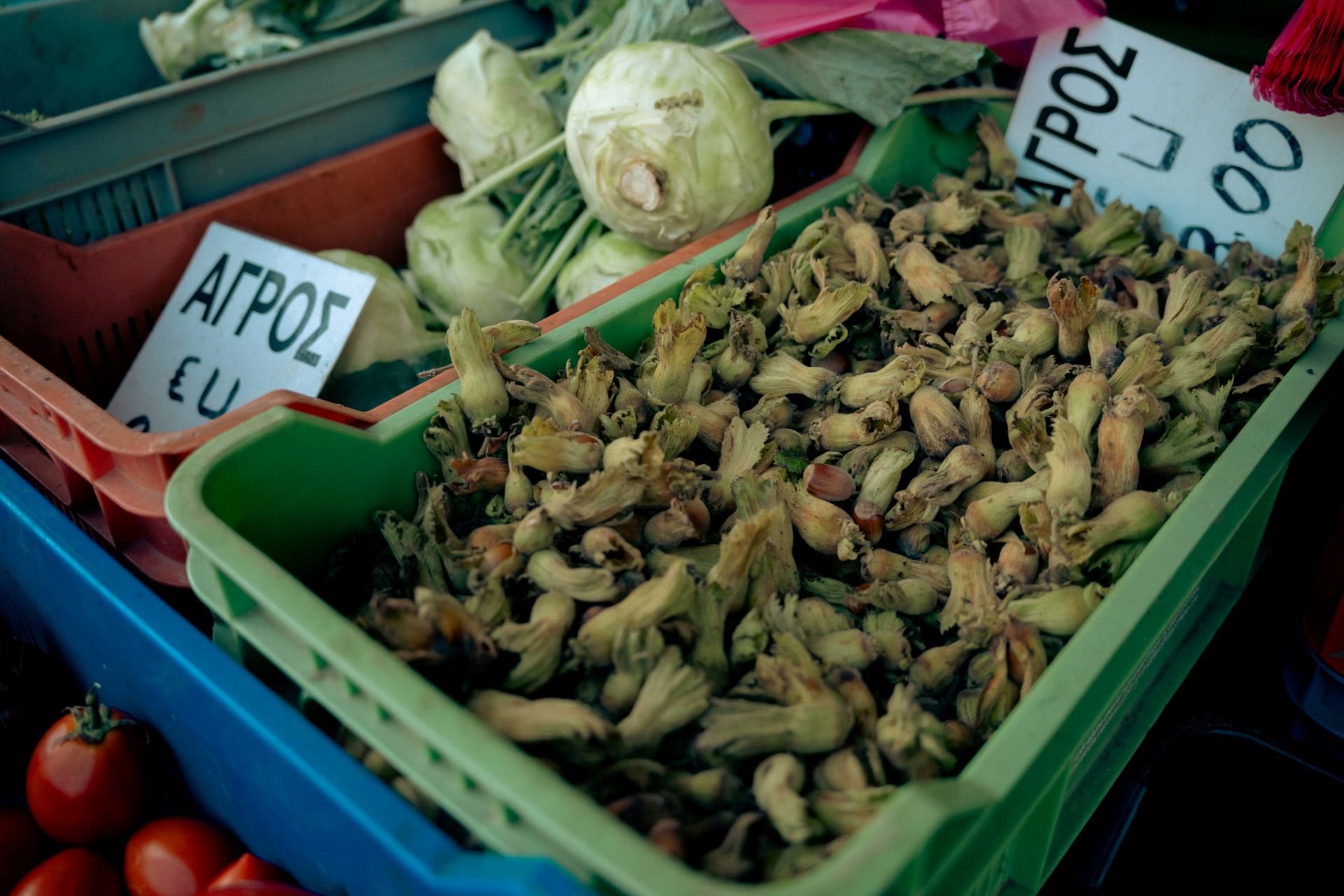
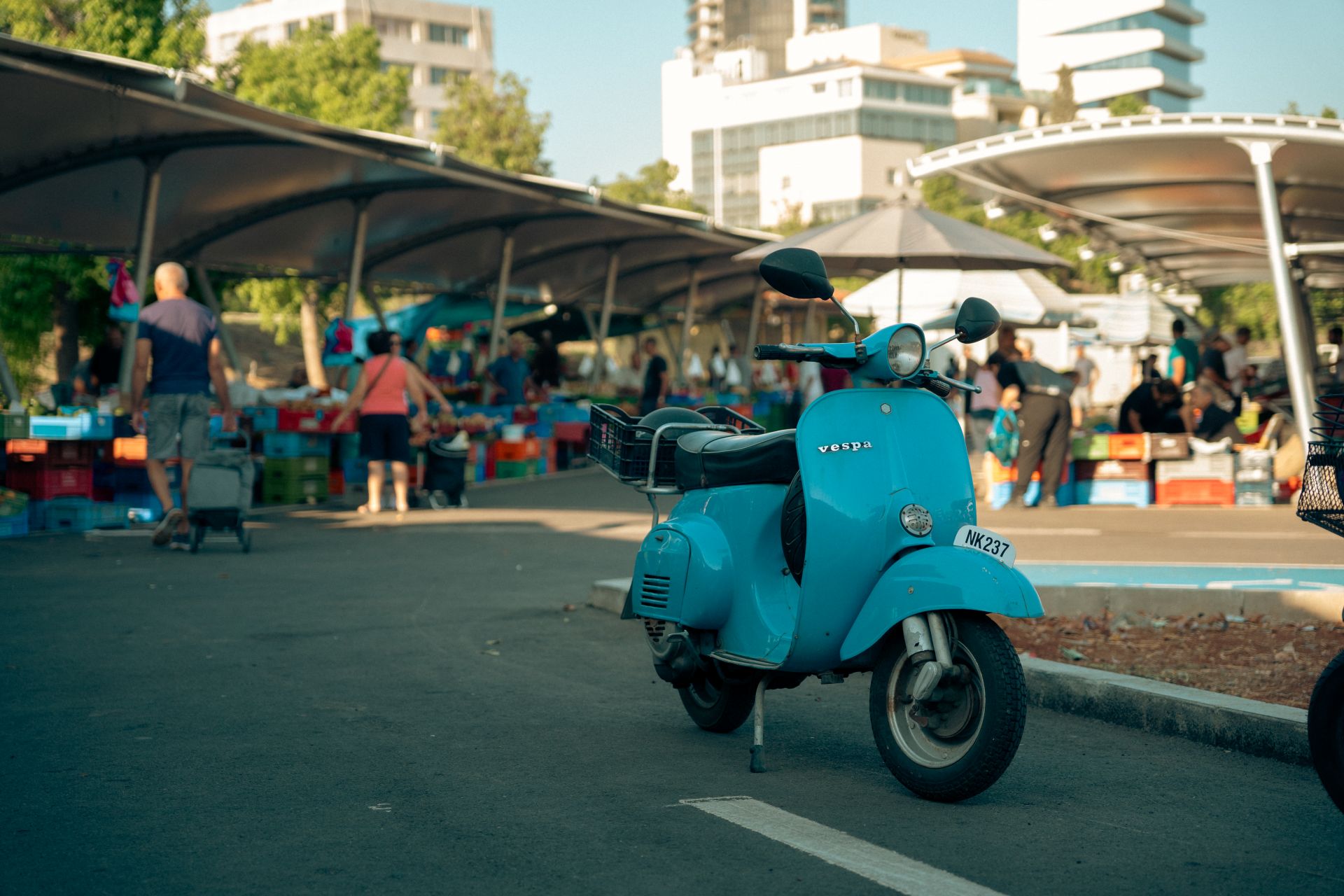
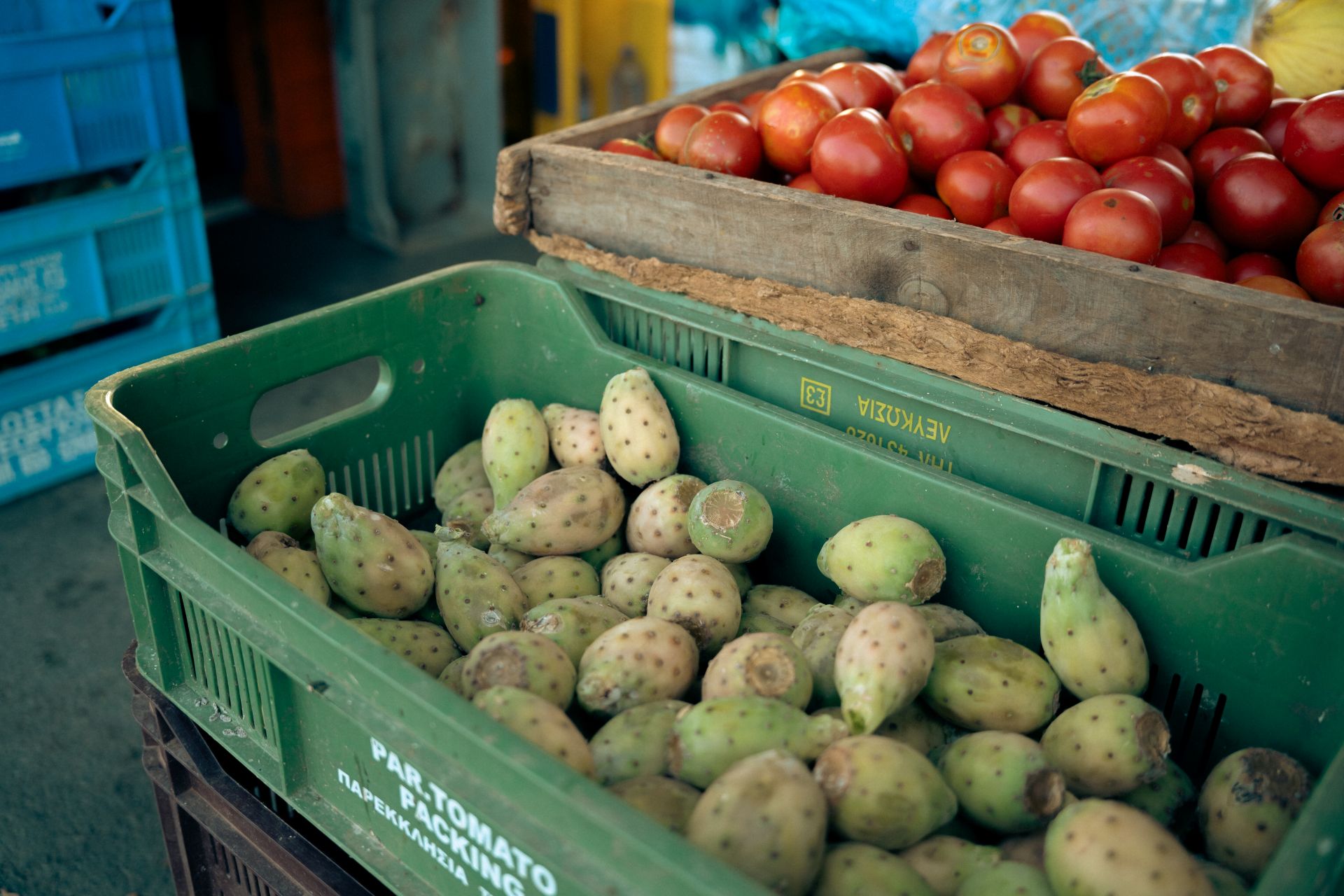
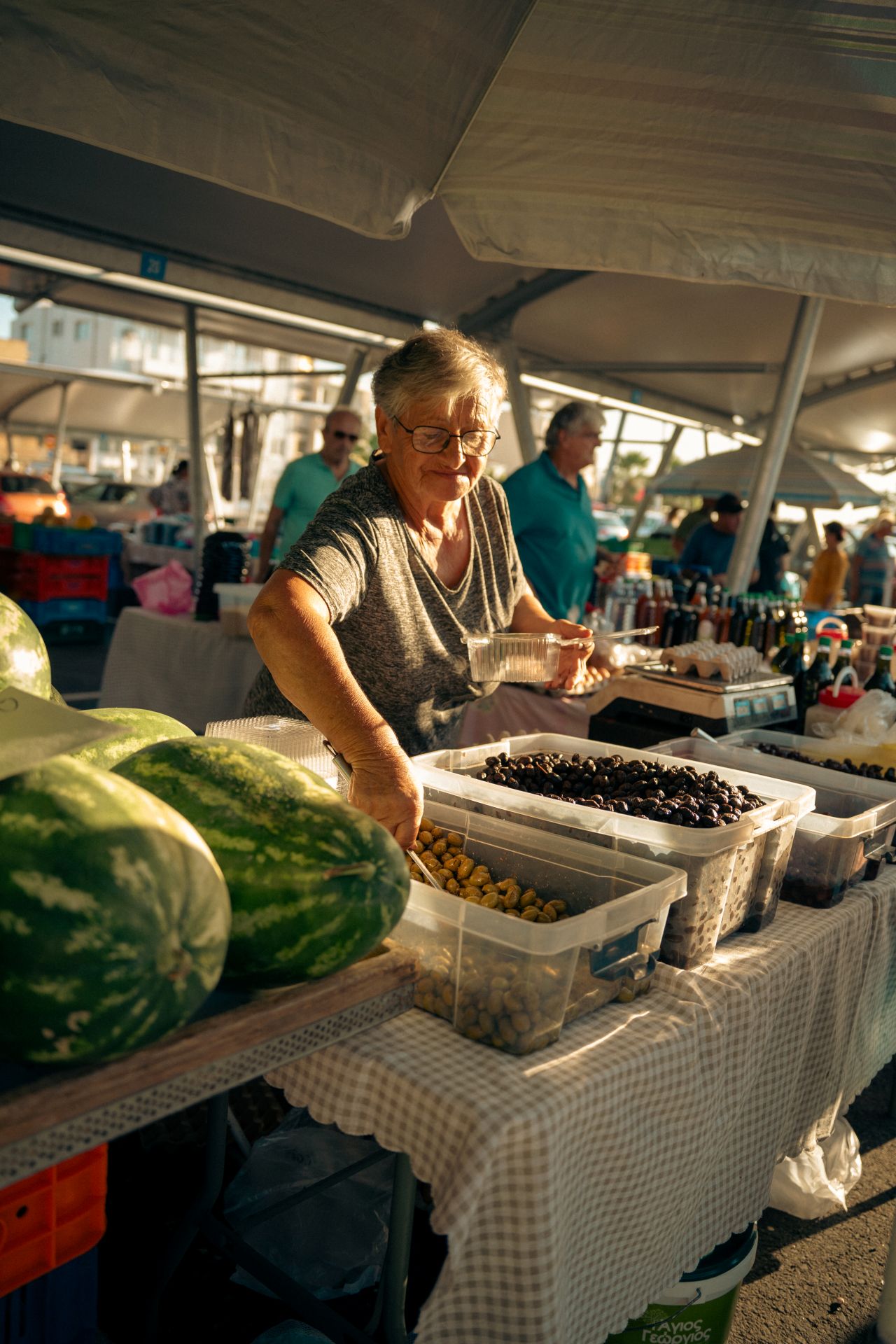
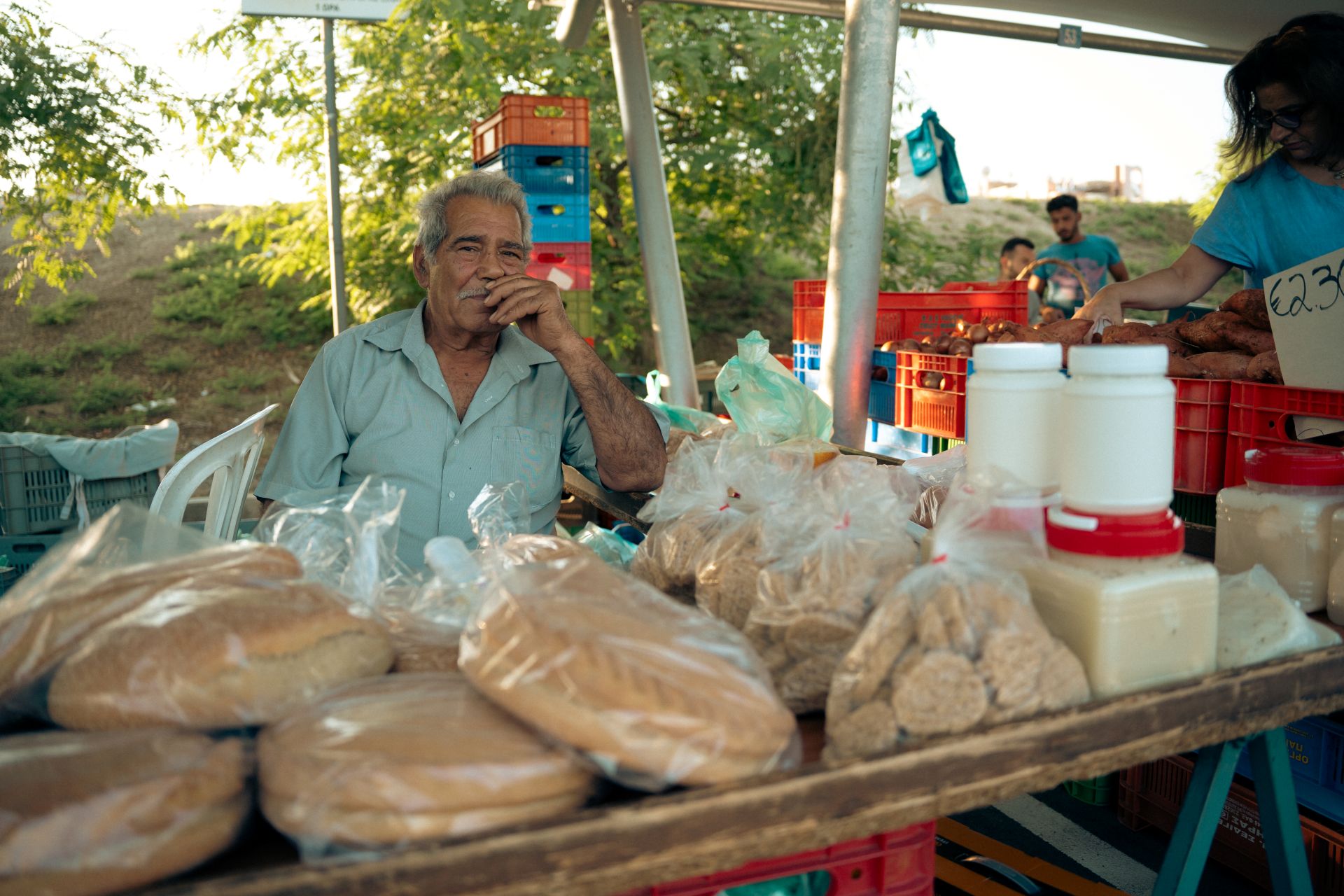
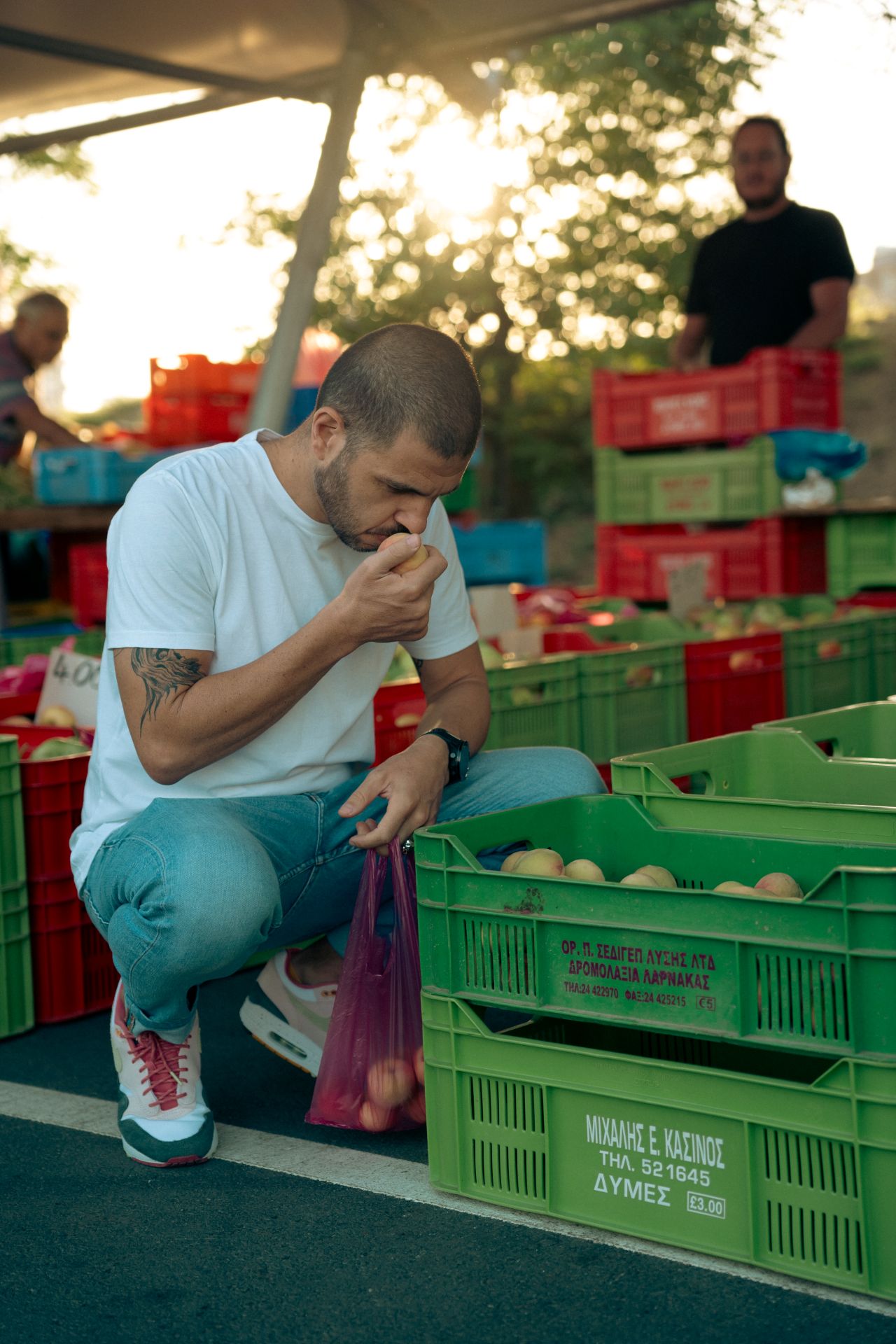
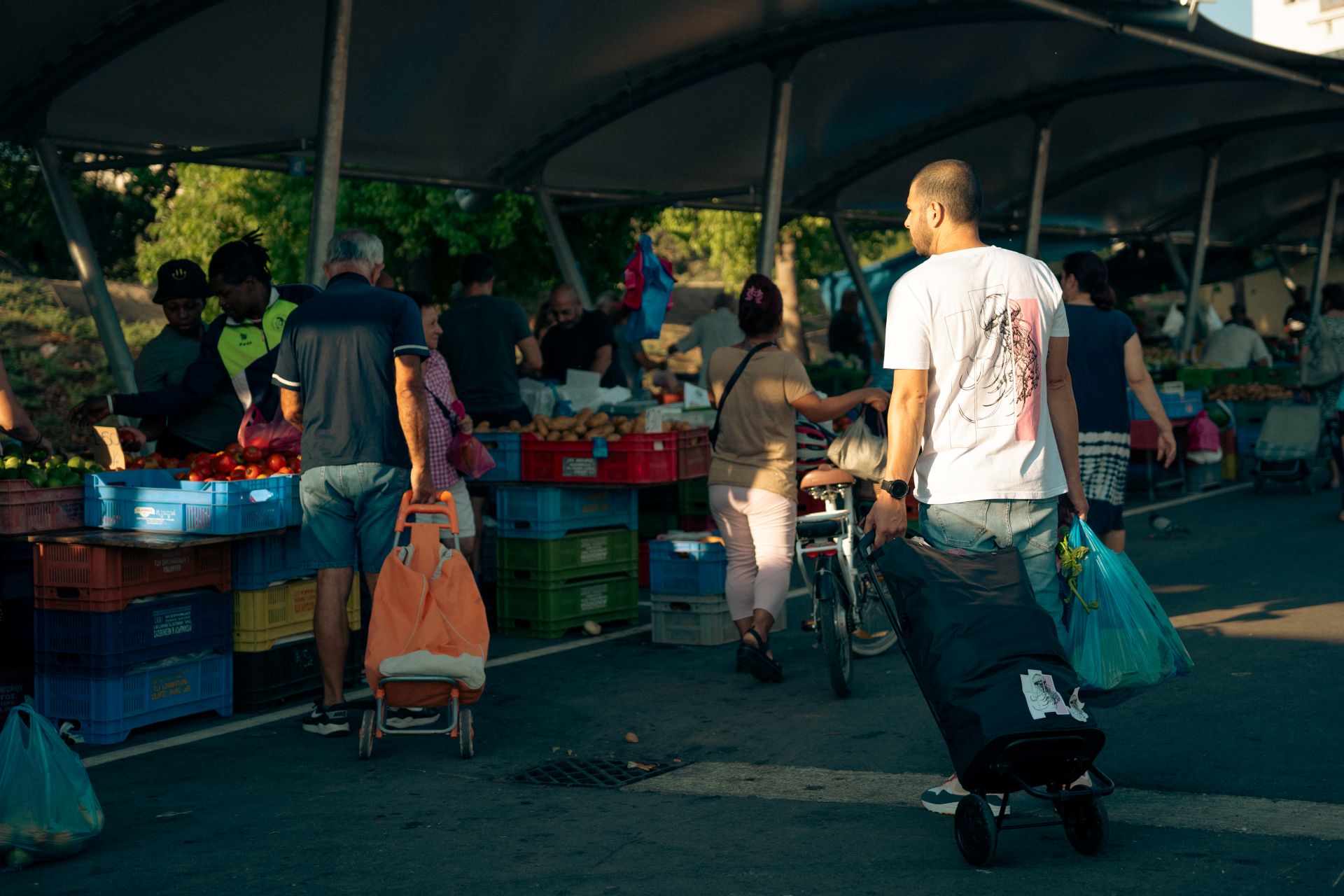
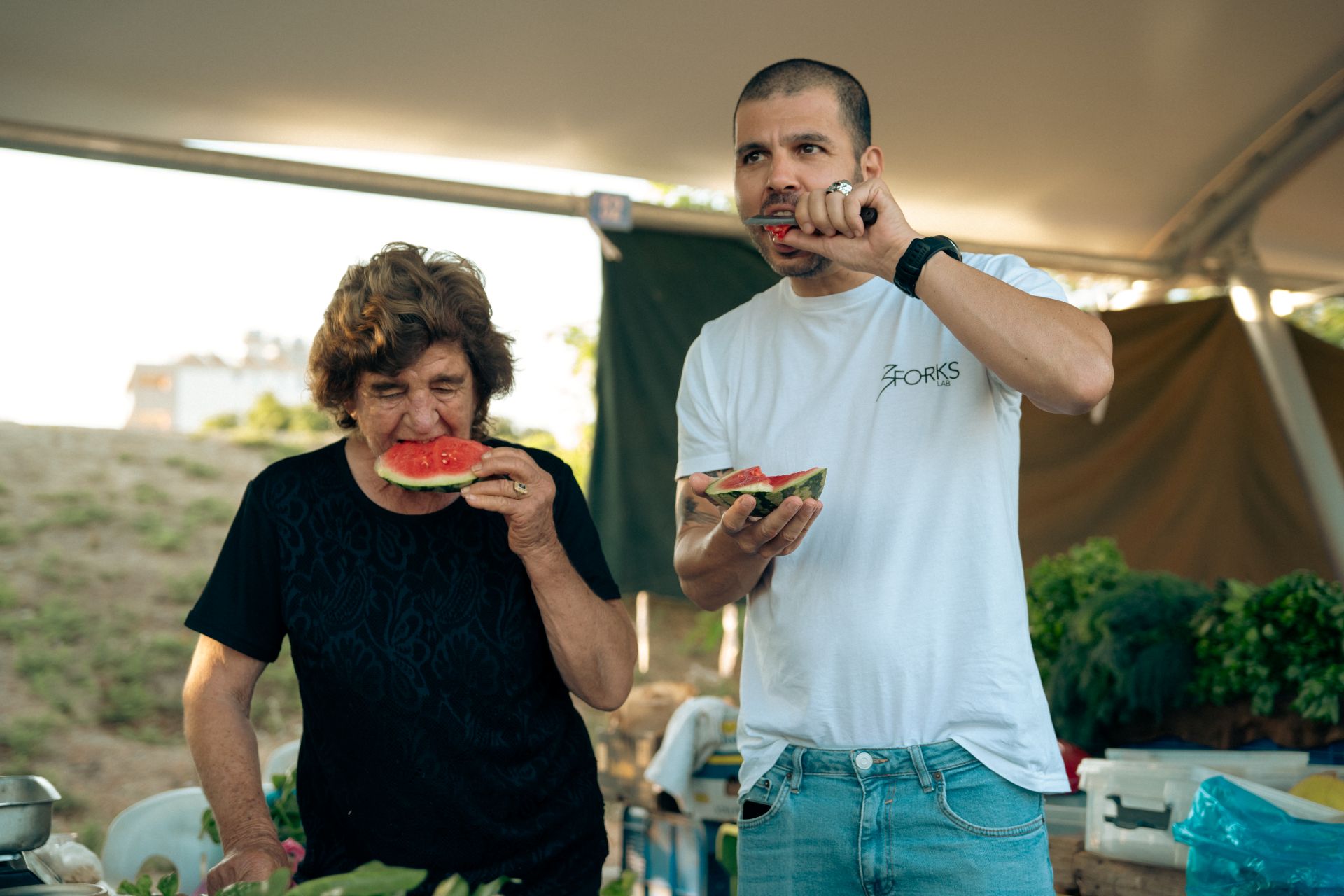
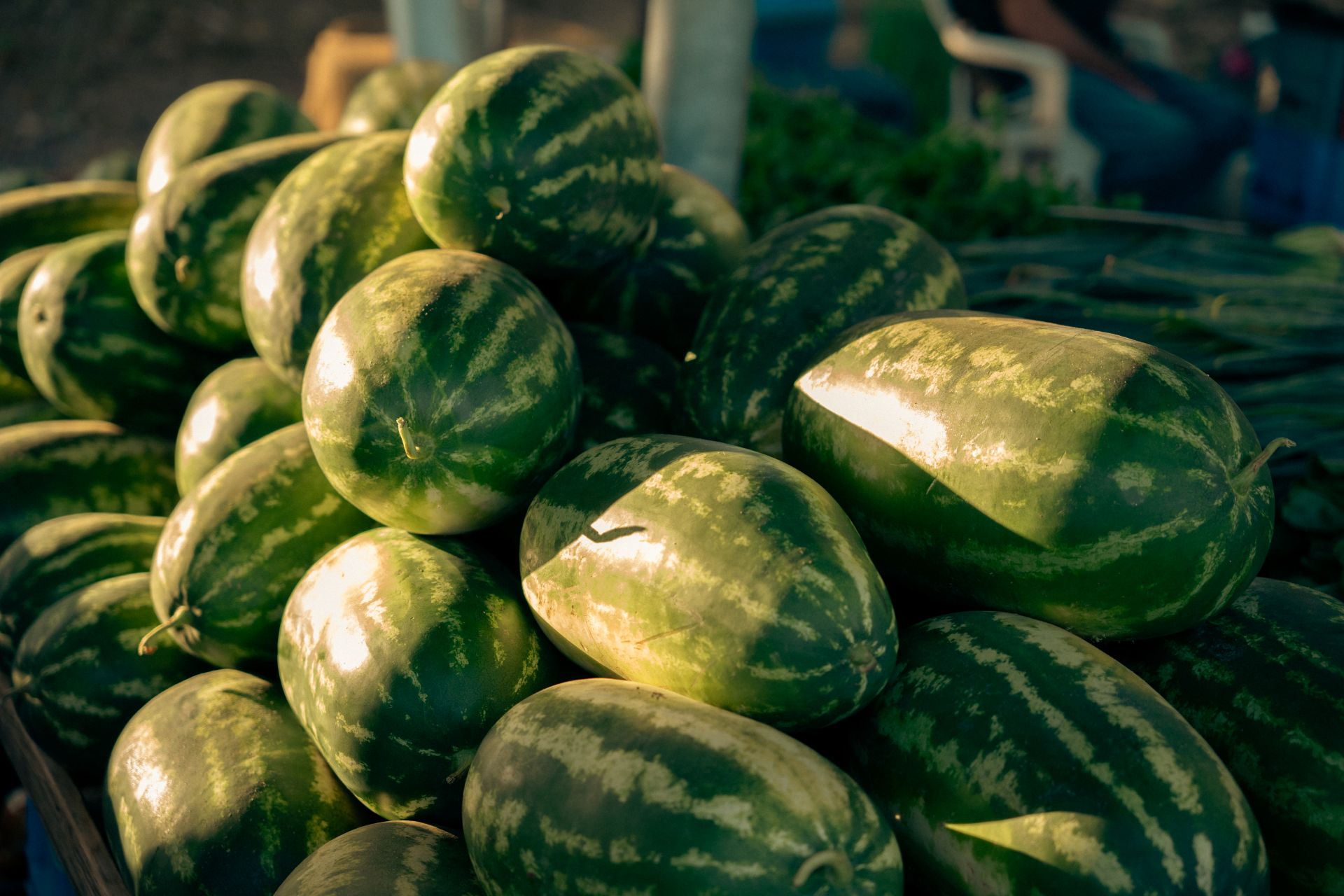
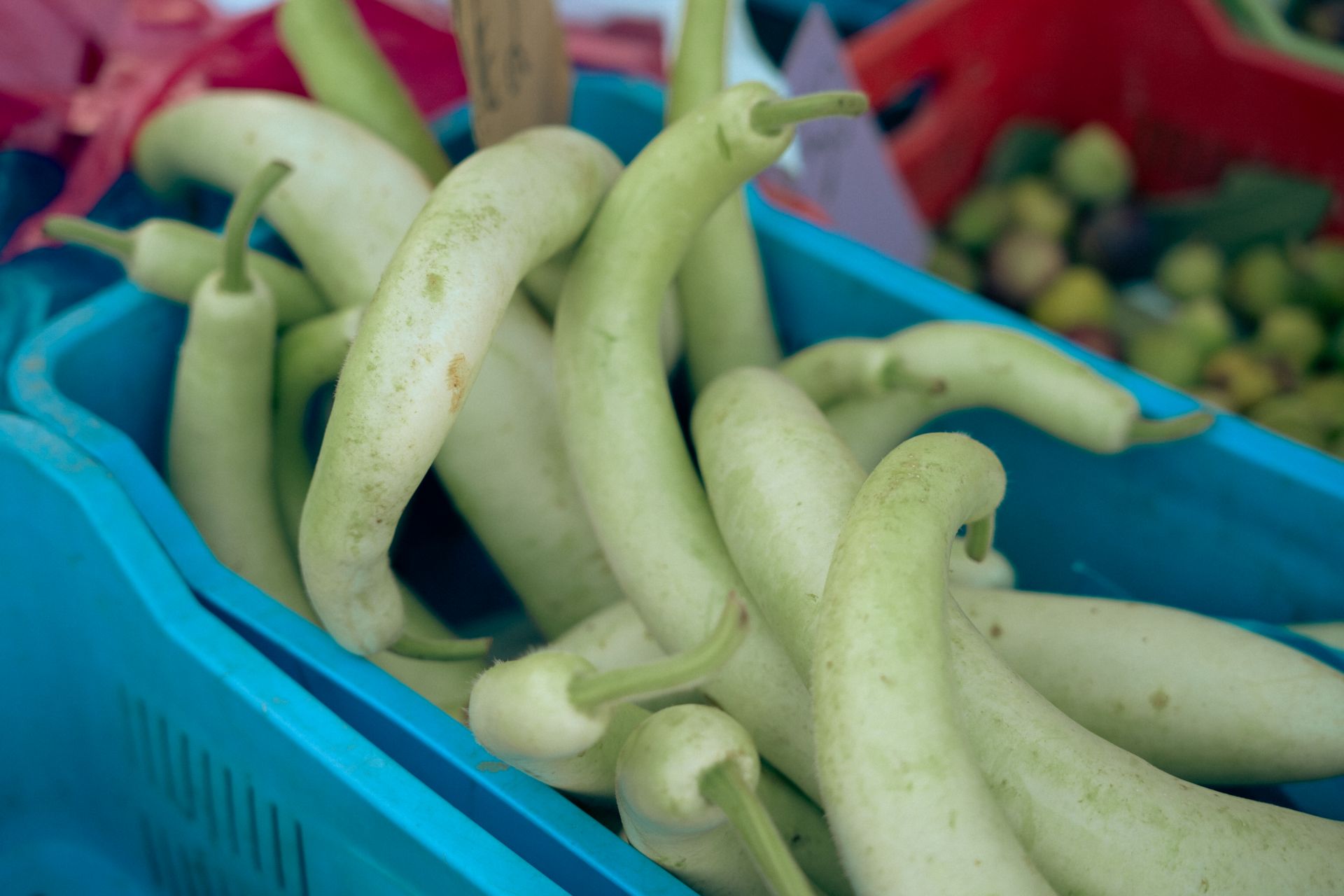
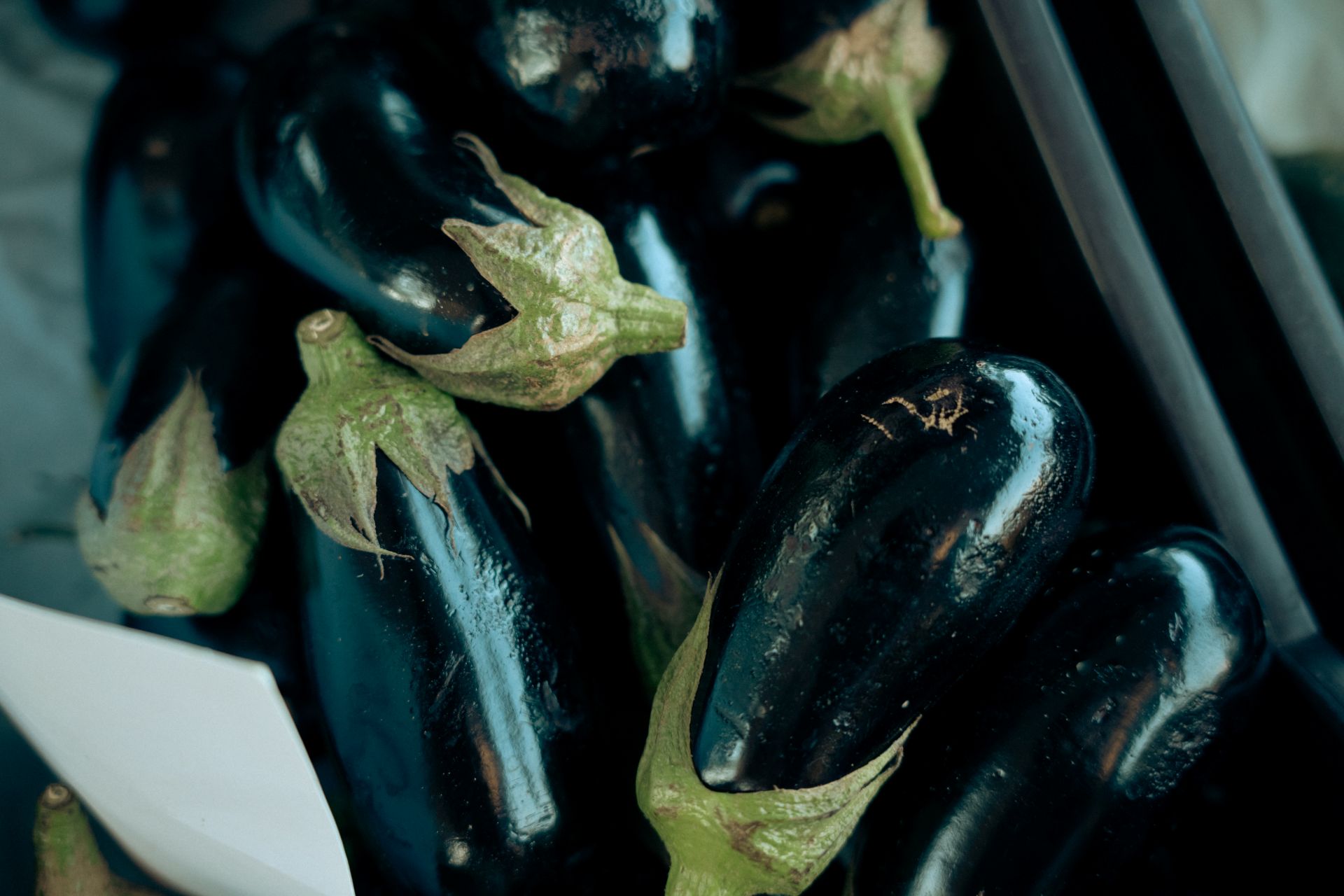
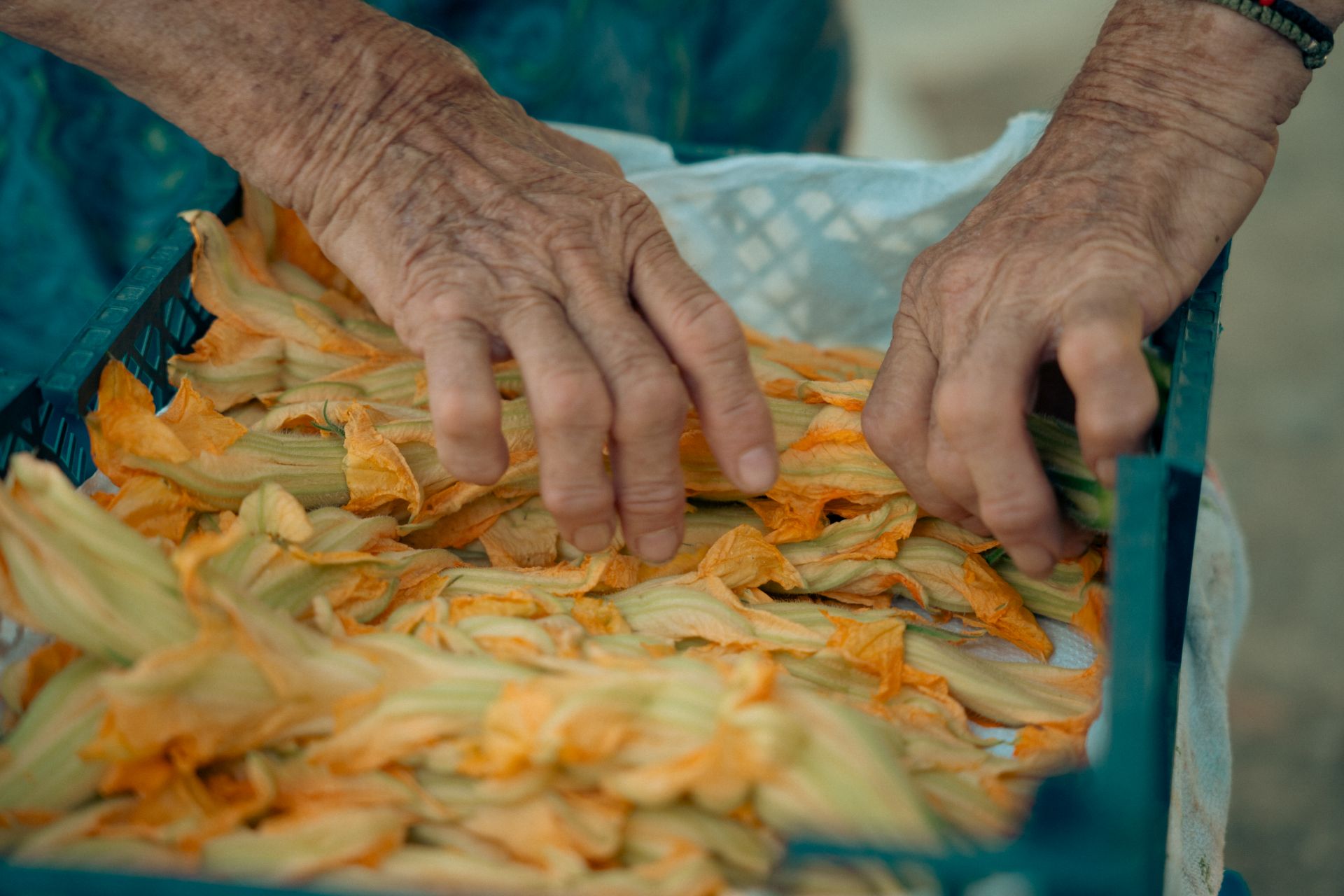
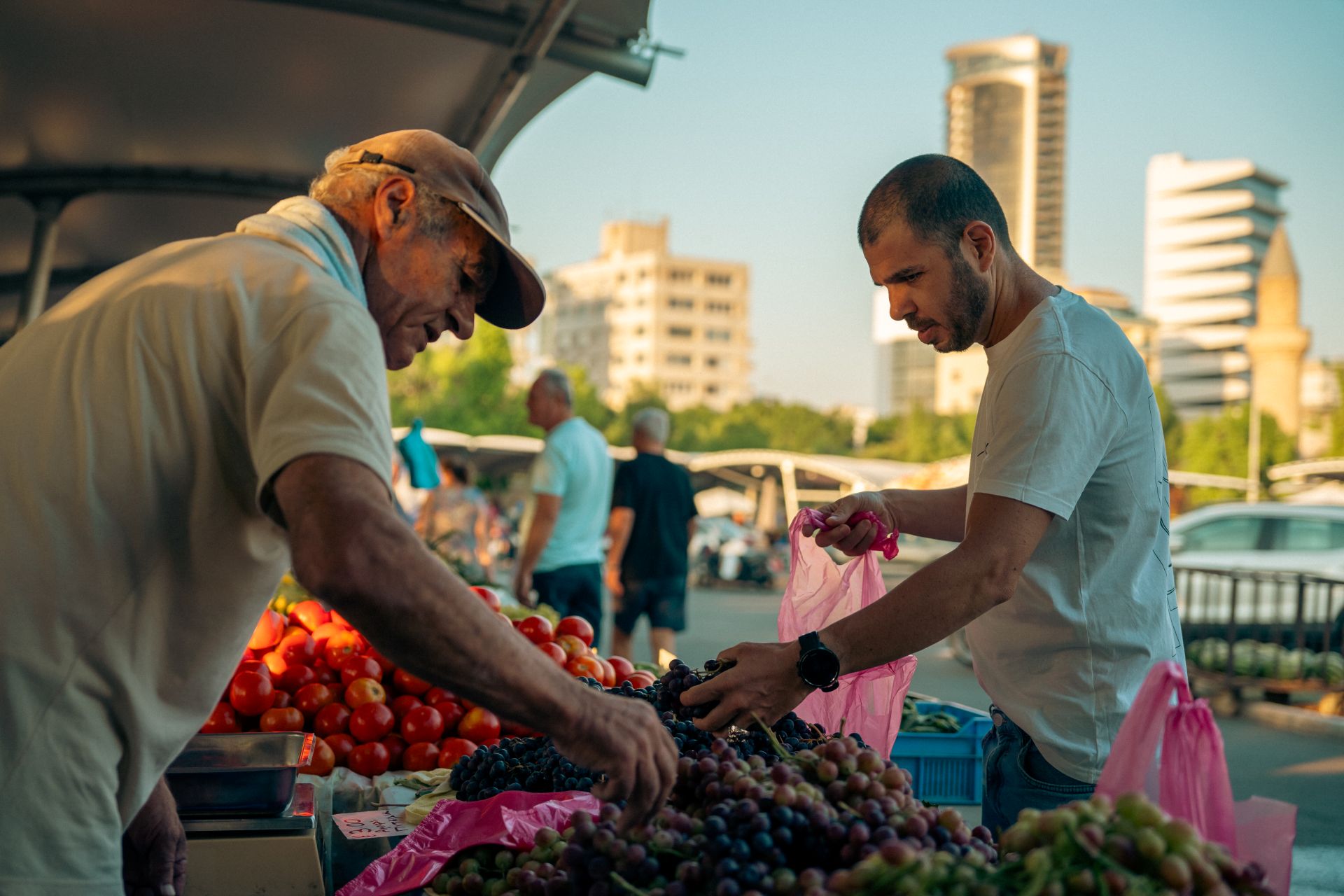
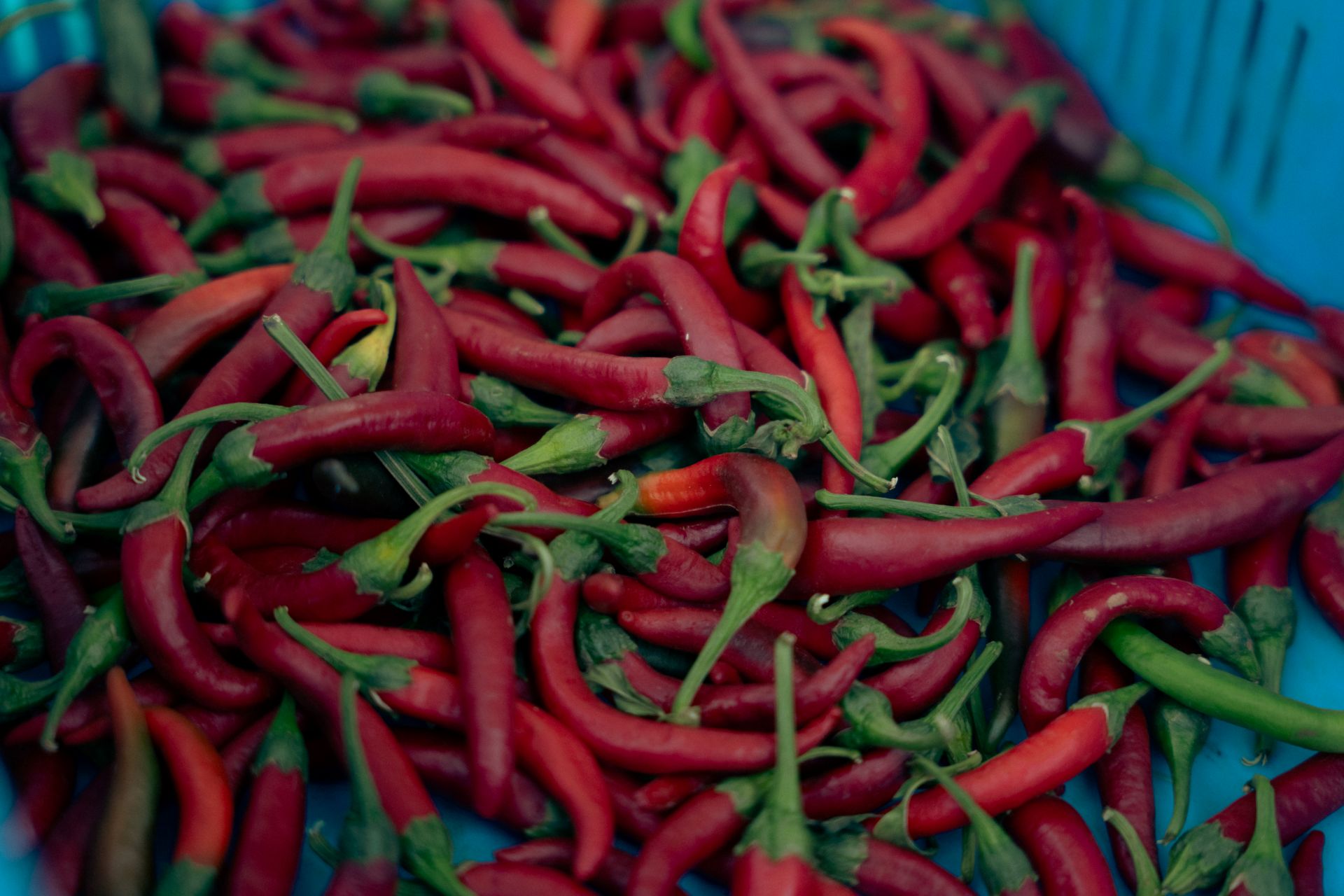
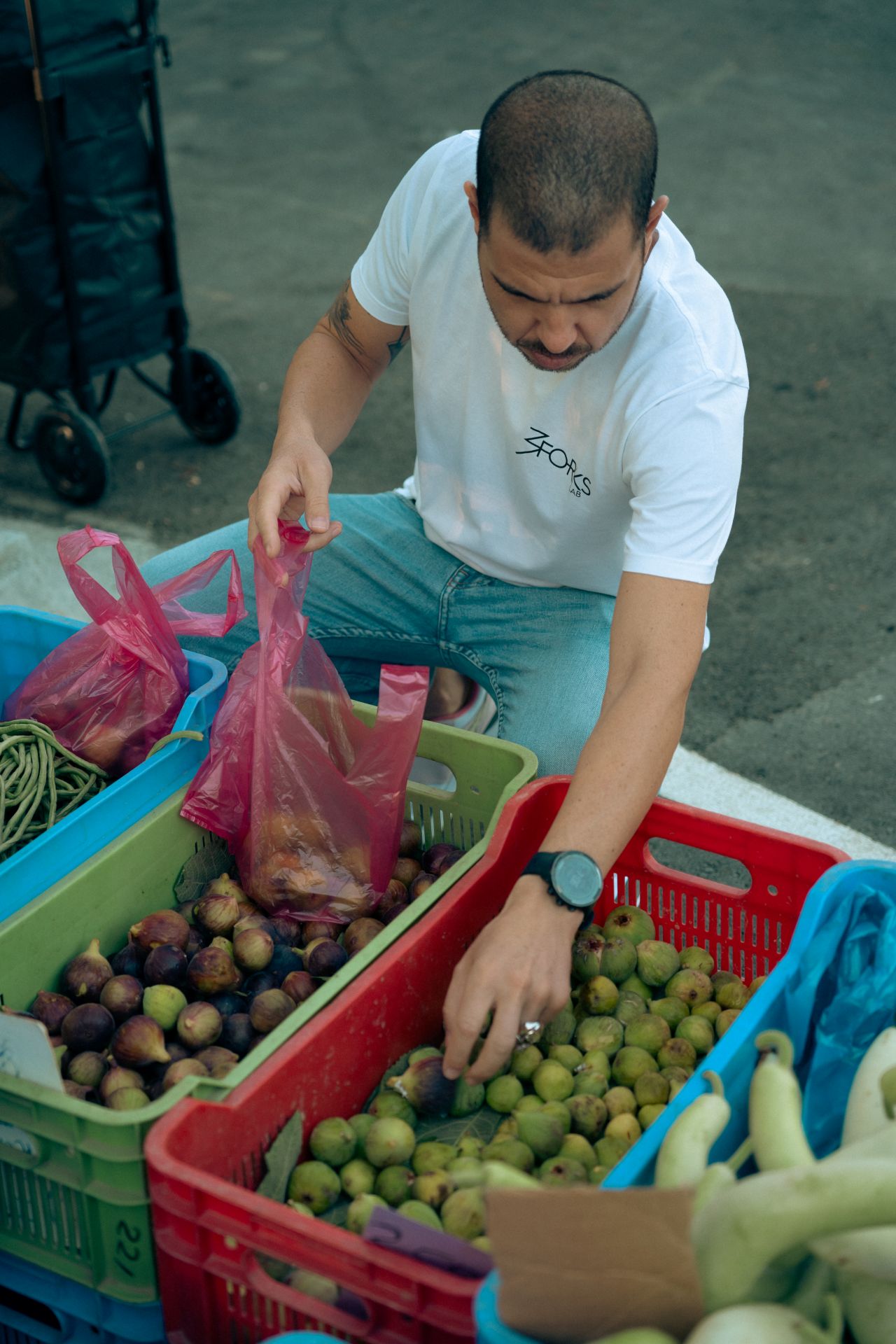
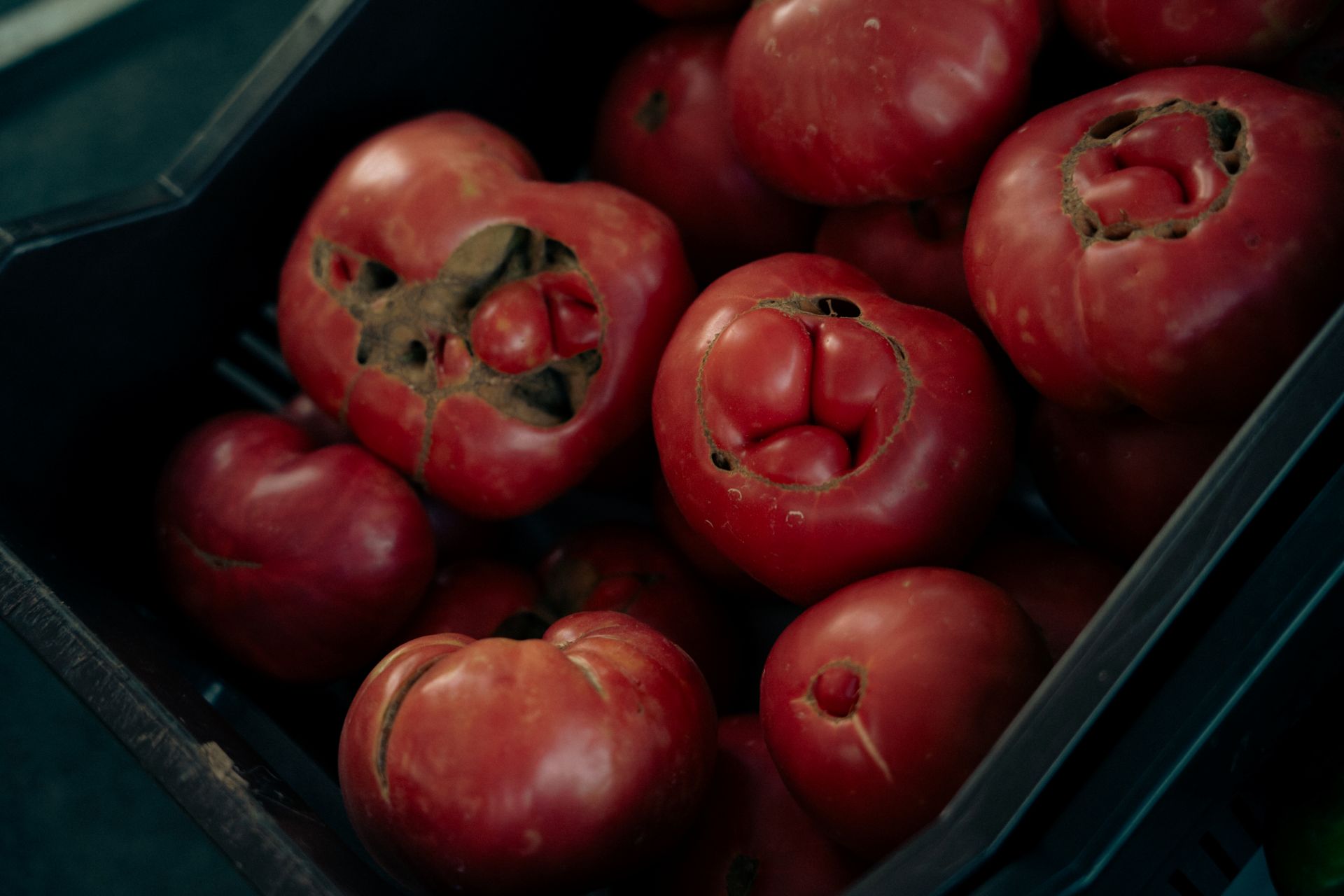
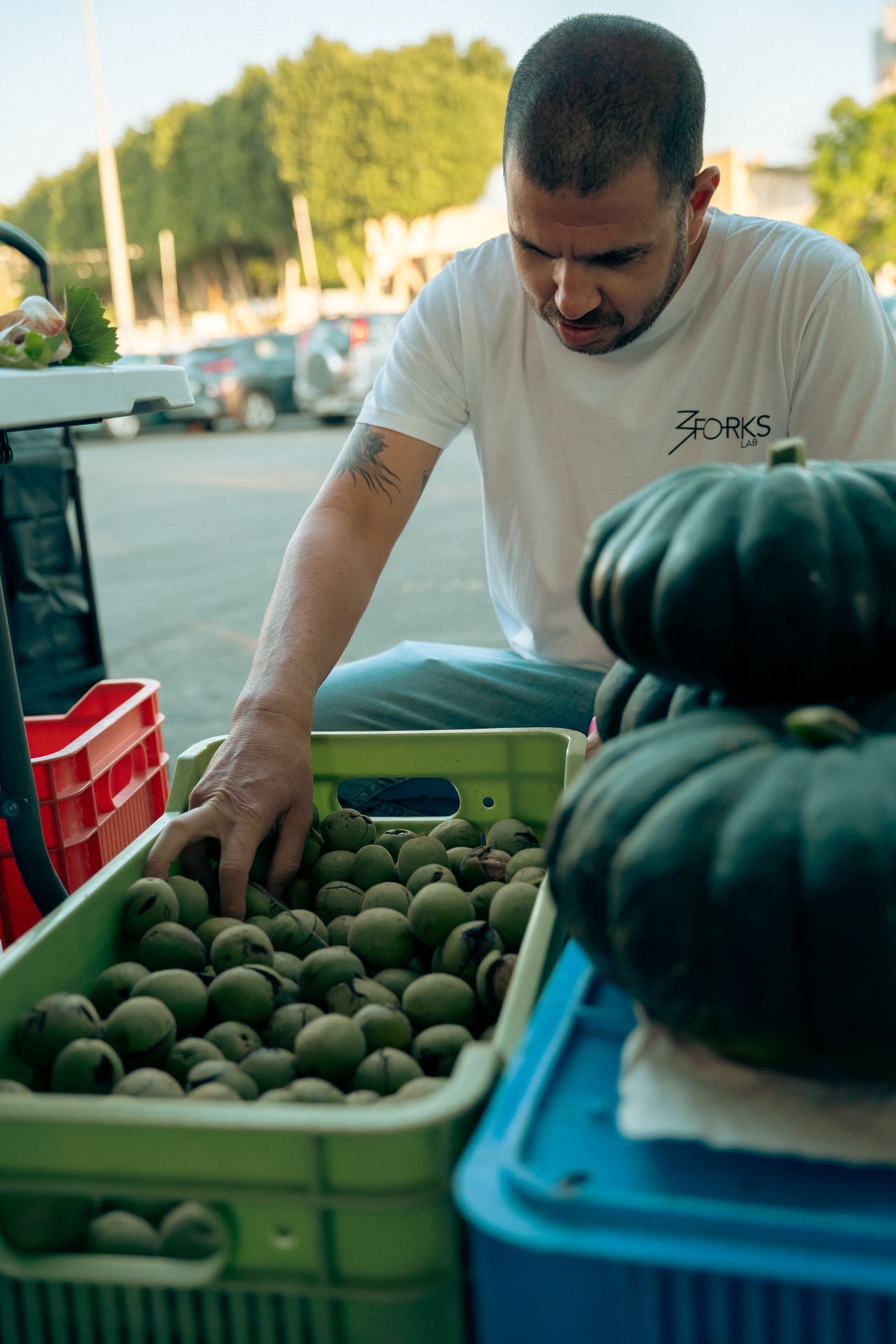
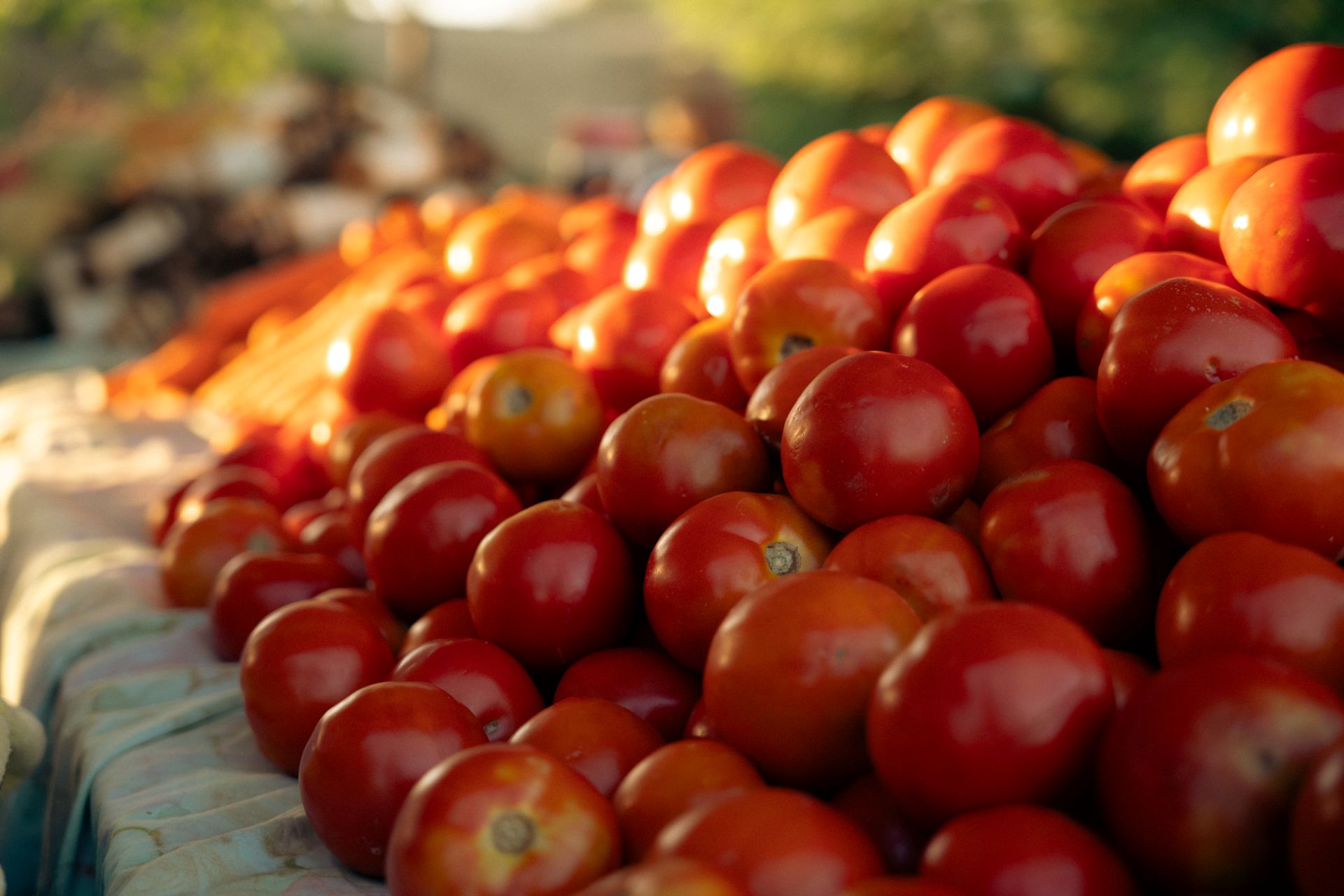
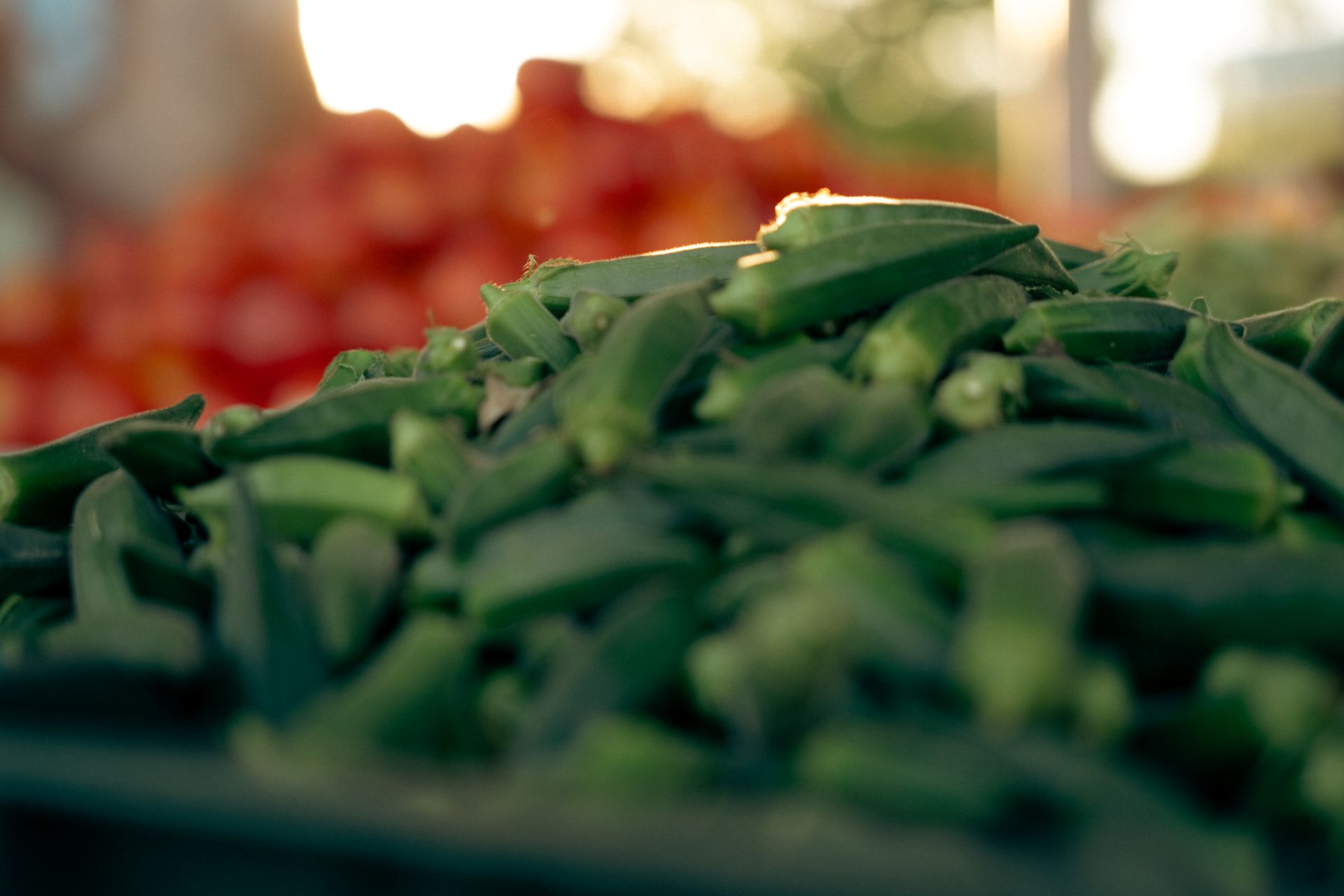
The Municipal outdoor Farmer’s Market at Ochi Square in Nicosia is one of our town’s long-standing, outstanding and sadly under-appreciated institutions. It operates year-round on Wednesdays and Saturdays, typically from the early morning until 3:00-4:00 pm. The goods are fresh and seasonal and the prices reasonable — indeed, a downright bargain in many cases. Savvy consumers cherish the opportunity to buy fresh produce directly from the producers
themselves.
At least, that was the way things used to work. Lately we have observed more and more instances of third-party vendors who obtain goods either from producers or from other resellers, set up shop at the Ochi Market, and sell produce whose provenance is questionable. This is not simply an issue of ‘branding’ or ‘optics’. These practices are problematic because the whole point of such markets is supply chain abbreviation and transparency — people descend upon
the market with farm-to-table expectations. With third-party involvement, a customer cannot know how many times the goods have changed hands, or how they’ve been handled, or whether the end consumer is being saddled with hidden costs.
Farmer’s markets are a common phenomenon all around the world and their appeal is no mystery. Both vendors and buyers cherish the opportunity to gain direct access to each other. This directness is especially attractive to modern urban consumers concerned with sustainability and troubled by the complexity and lack of transparency of globalised supply chains. Just as crucial is the cultural component. There is something intoxicating about the hustle and bustle of an open-air market. It is particularly appealing to intrepid travellers in search of a more authentic experience: the way that people conduct business face-to-face is as anthropologically revealing as their cuisine.
Which makes the Ochi market’s current state of neglect rather disconcerting. Foot traffic consists mostly of a few stray tourists, the ever frugal immigrant community and ageing locals who are running the cultural ‘software’ of a bygone era — part inertia and part nostalgia. Young professionals are woefully under-represented. The virtually non-existent representation of the hospitality industry is particularly troubling: many local restaurants and related businesses hardly miss an opportunity to wave the sustainability and seasonality flags; their conspicuous absence from the Ochi market makes all the seasonality talk ring hollow. Unless these businesses and the young professional demographic embrace the culture of the open-air market, there will be no incentive for anyone to invest in such enterprises. Their customer base will continue to dwindle, the poor infrastructure will continue to degrade, and attempts to preserve their integrity will be considered costly extravagances; in short, their future prospects will be grim at best.
Restaurants and Sustainability
Many people and organisations nowadays eagerly embrace ‘sustainability’. Understandably so: ecological concerns have steadily risen for decades, and governments and NGOs both jumped on the bandwagon long ago. Not to be outdone, more than a few people in the restaurant industry trumpet their sustainability credentials by using social-media outlets as megaphones. They often reinforce their message with an avowed commitment to ‘seasonality’, another major buzzword of our age.
In fact, a bare minimum of scrutiny will reveal that this rosy picture of sustainable restaurants is mostly a branding exercise. A restaurant, especially an establishment with high-end aspirations, is an inherently inefficient operation. Making a high-quality version of a dish — a high-quality version of anything, for that matter — requires such quantities of human, material and energy input that it is impossible to avoid waste: the higher the quality, the worse the ratio of input to output, and worse still when the staff lacks proper training and experience.
Regarding seasonality, a similar gap exists between rhetoric and reality. Again, one doesn’t have to be an industry veteran to figure out that if ingredients are available year-round, they cannot be ‘seasonal’. Businesses and customers have both become accustomed to having it all 24-7. That means having products shipped from all corners of the globe. You end up with inferior ingredients, since time spent in transit inevitably degrades the quality of produce, and your environmental footprint skyrockets. So much for ‘sustainability’.
There is a way for restaurants to align values and practices: by becoming local in character and scope. By sourcing ingredients locally, a restaurant both reduces its footprint and gains access to higher-quality ingredients, since it is closer to the source. It also encourages businesses to form close relationships with local farmers and growers, whose knowledge and experience are hard-won, and who have no choice but to adapt to nature’s organic rhythms. Indeed, such relationships are the best form of quality assurance. Institutions such as the Municipal Farmer’s Market at Ochi Square provide a convenient way to gain access to both goods and people. Sadly, as we mentioned in a previous post, people from the hospitality industry are rarely seen anywhere near the Ochi Market. It is difficult to avoid the conclusion that all their avowals of sustainability and seasonality are just window-dressing. By failing to support local farmers and growers they are missing an opportunity to make a real contribution to the cause.