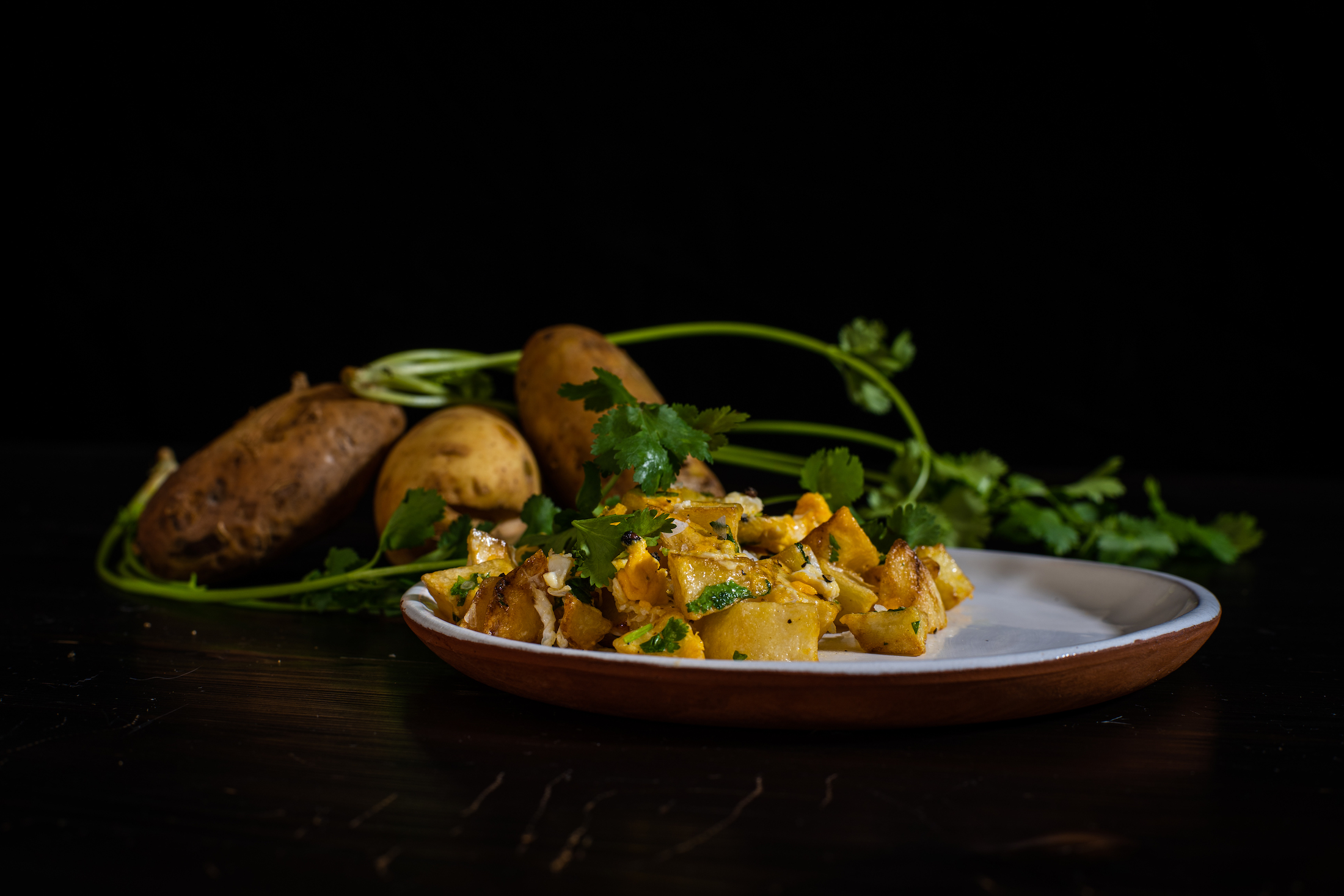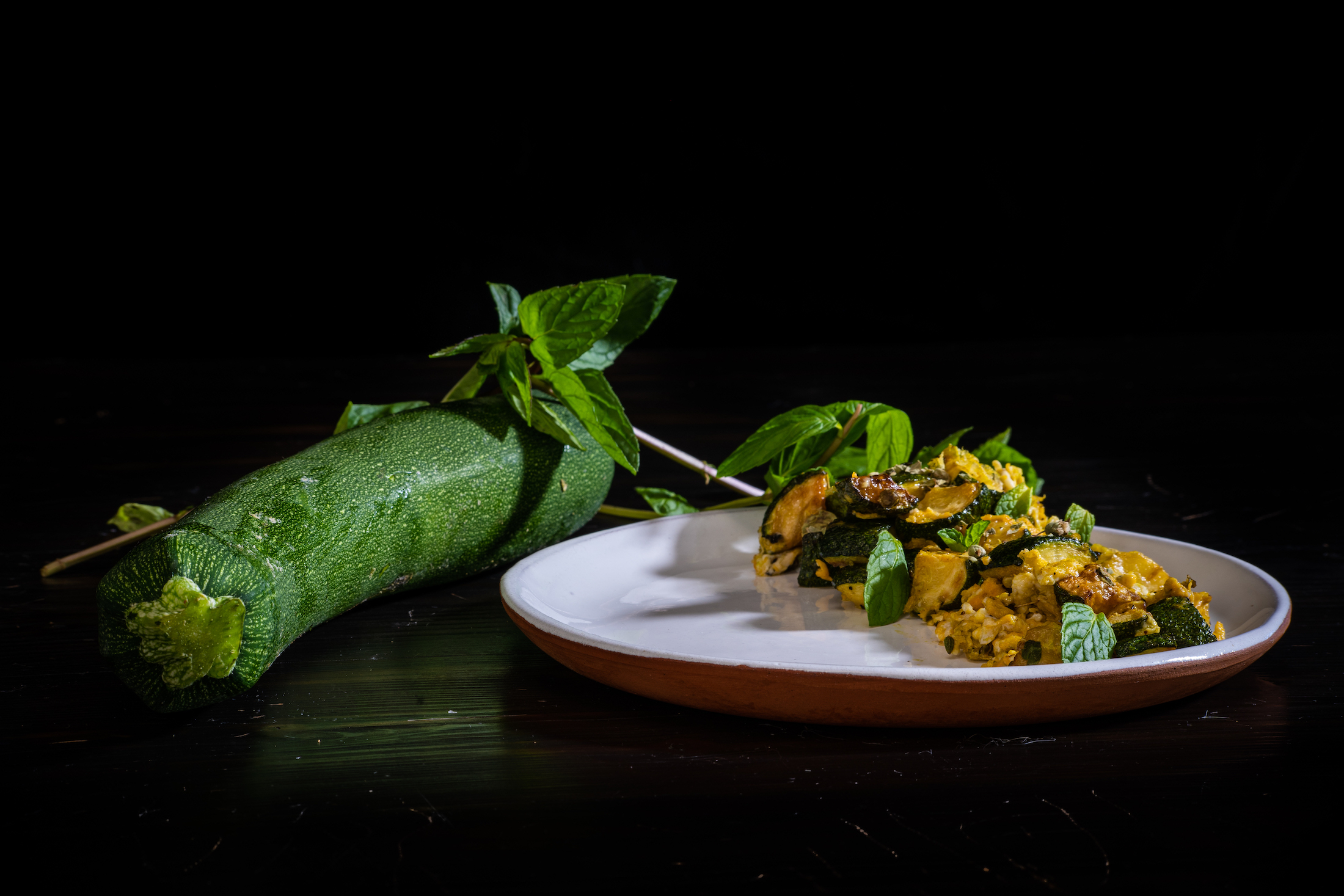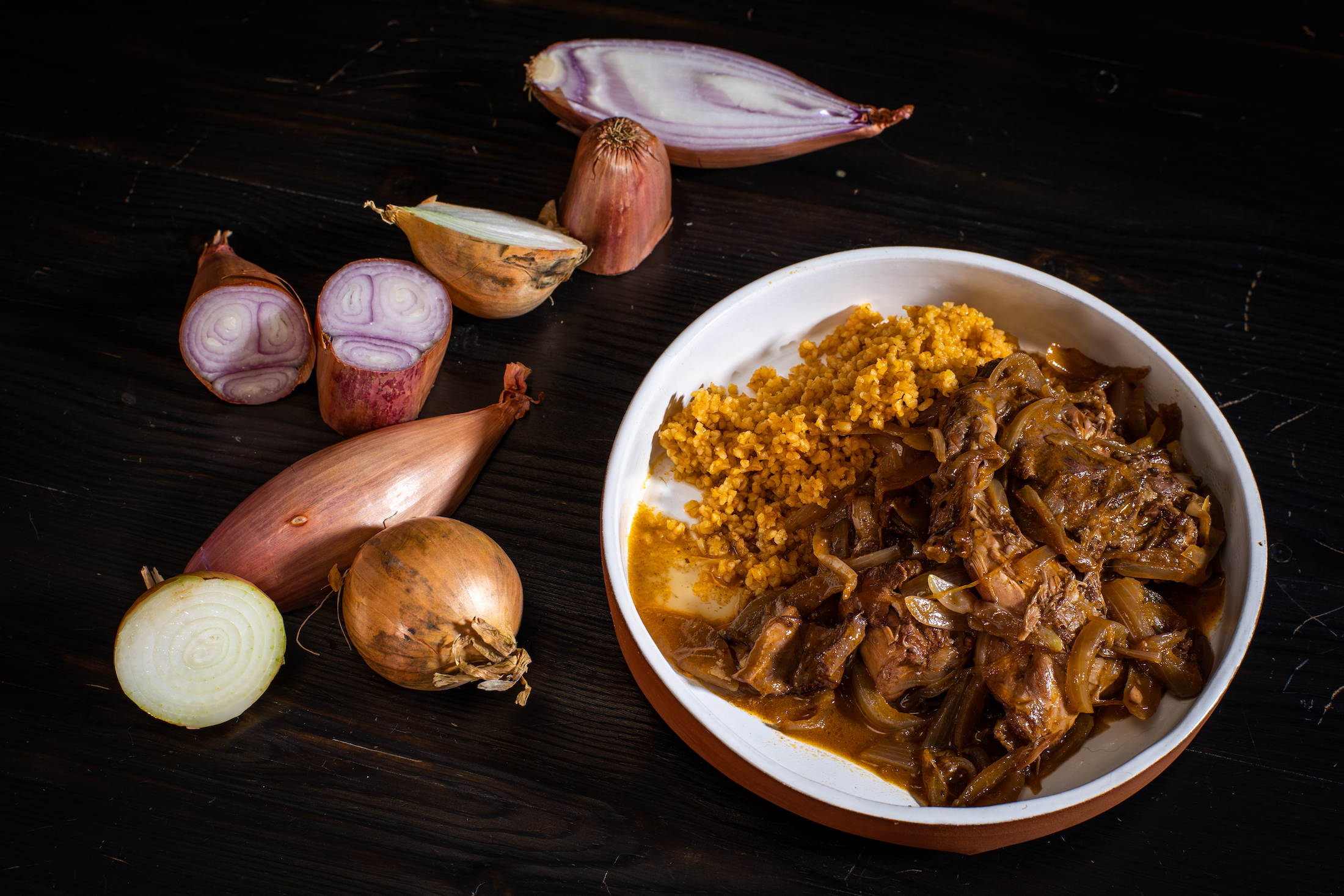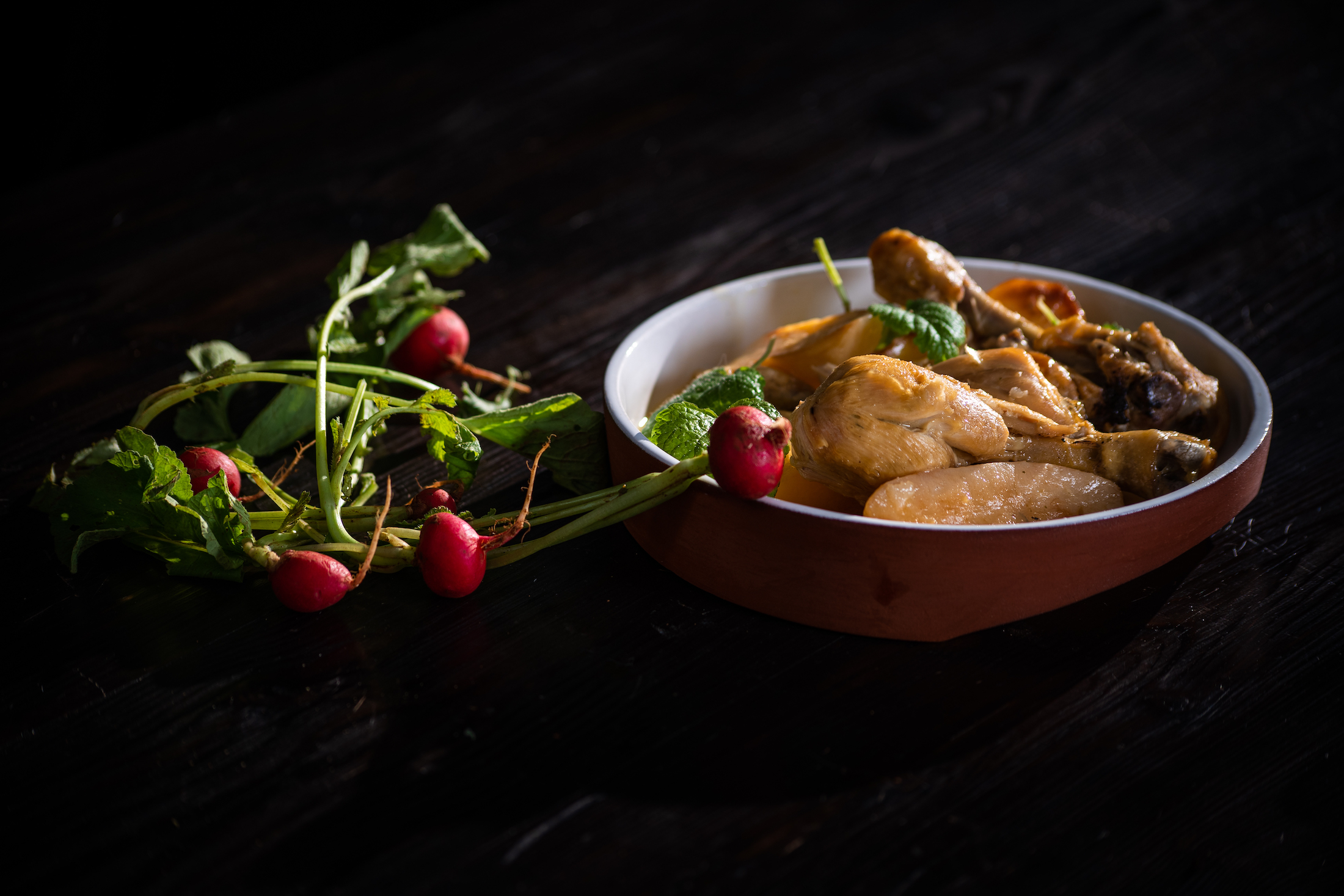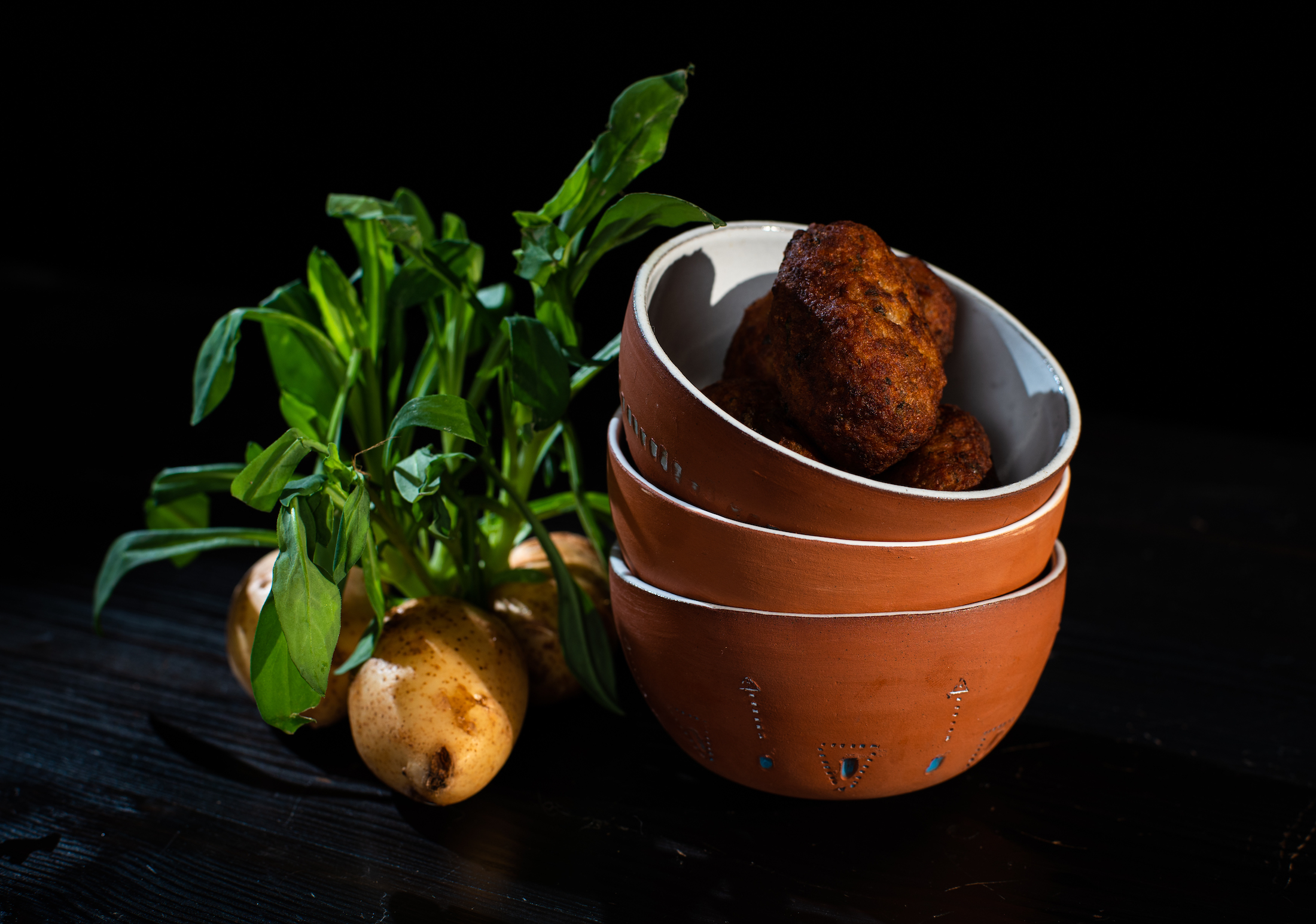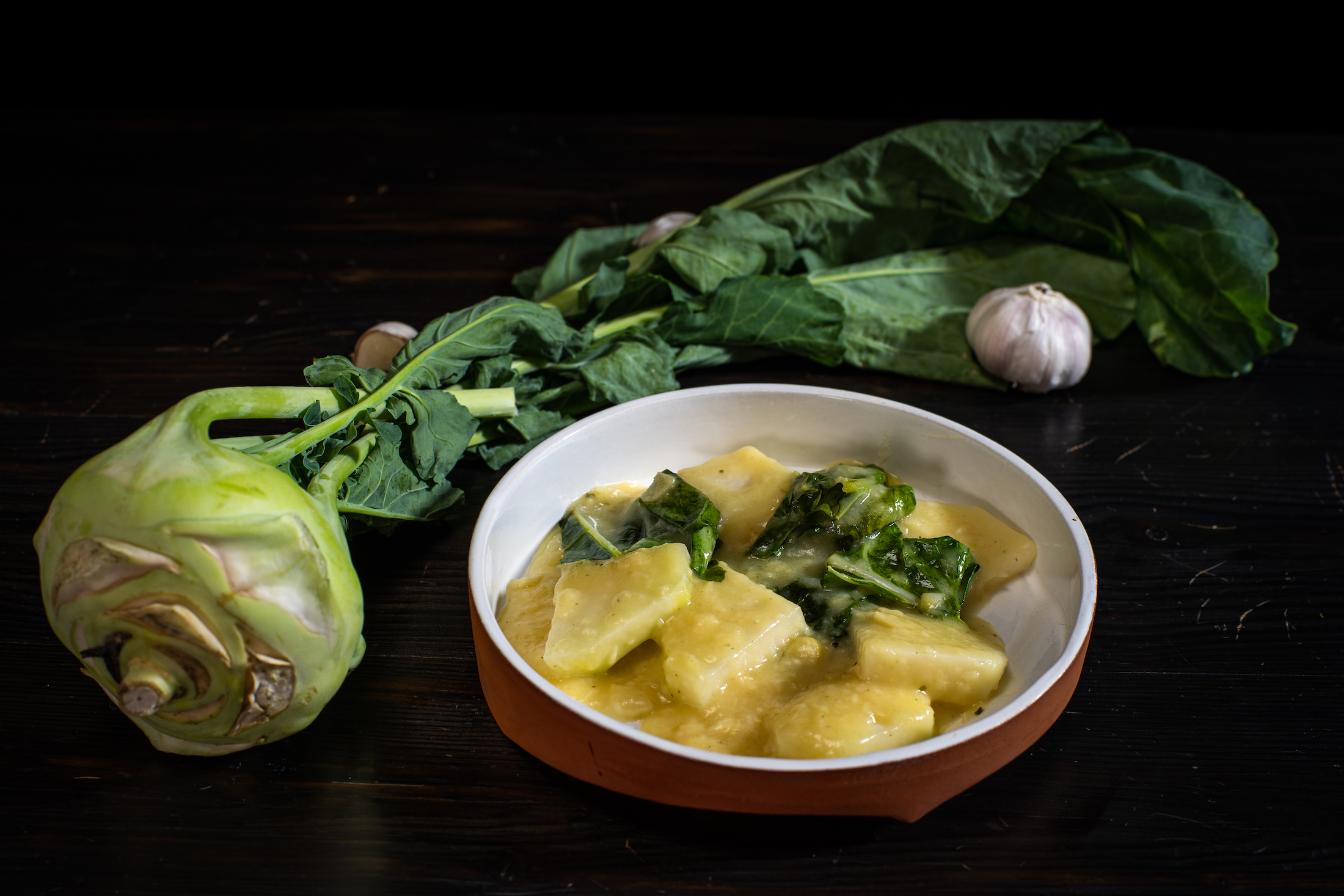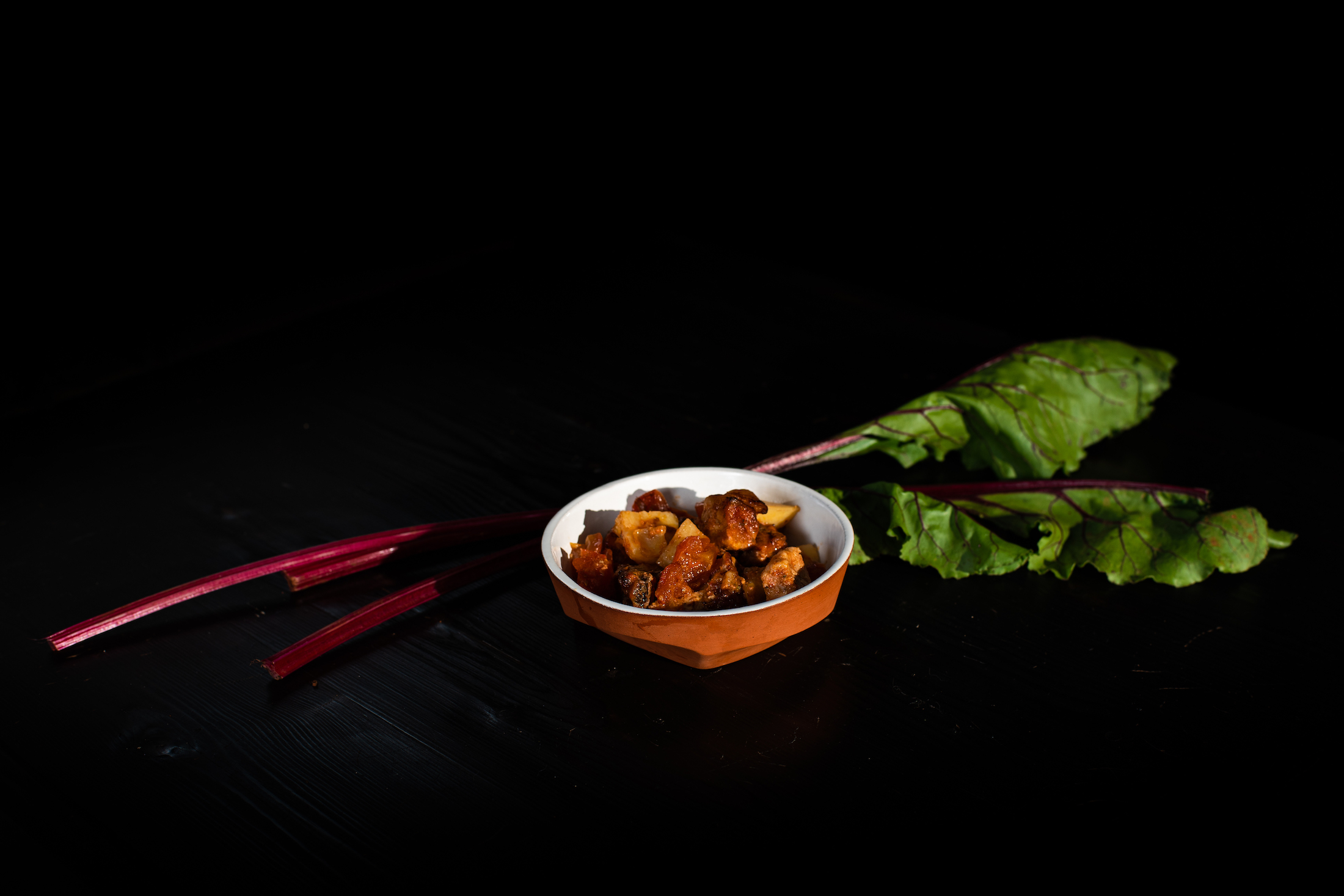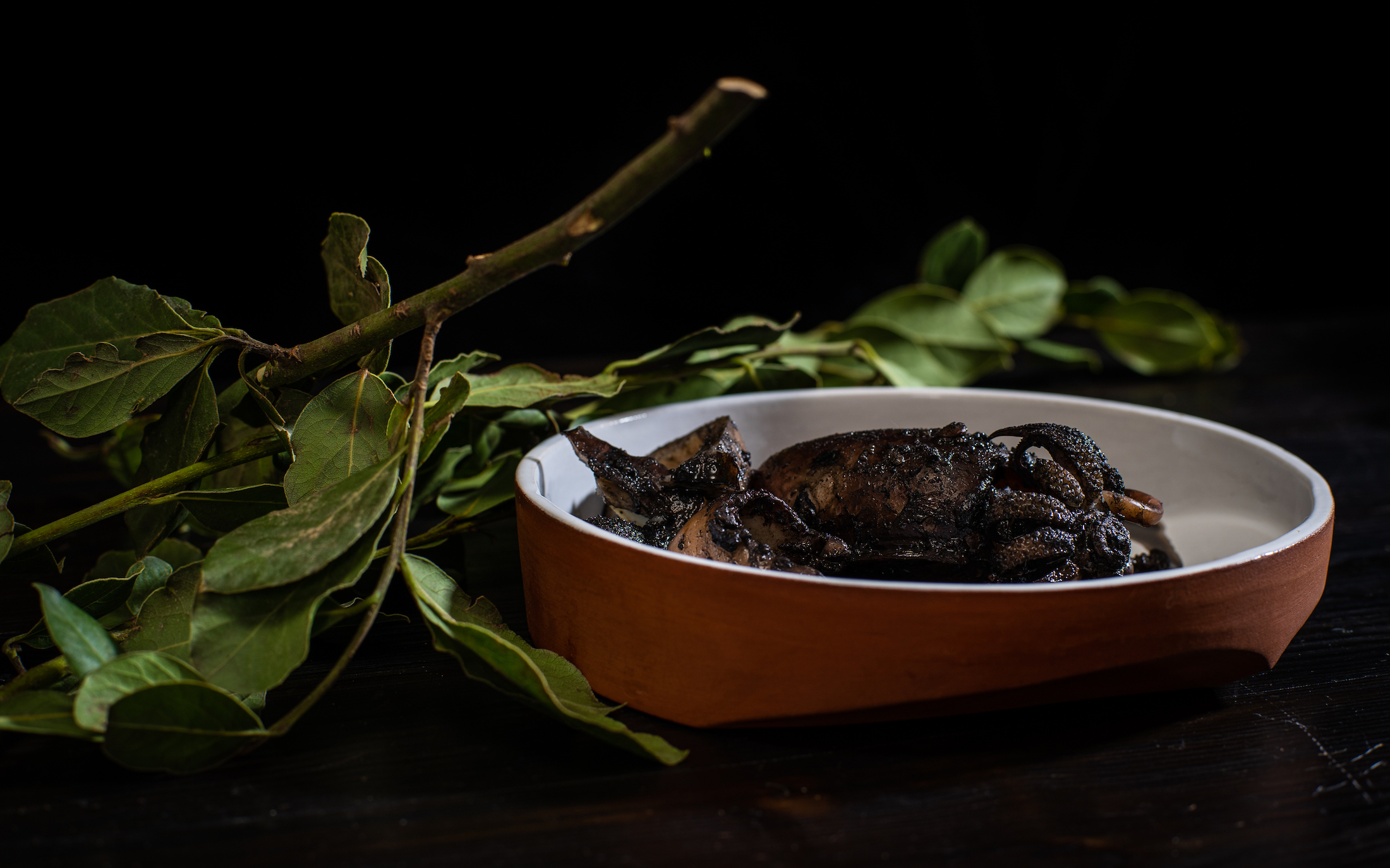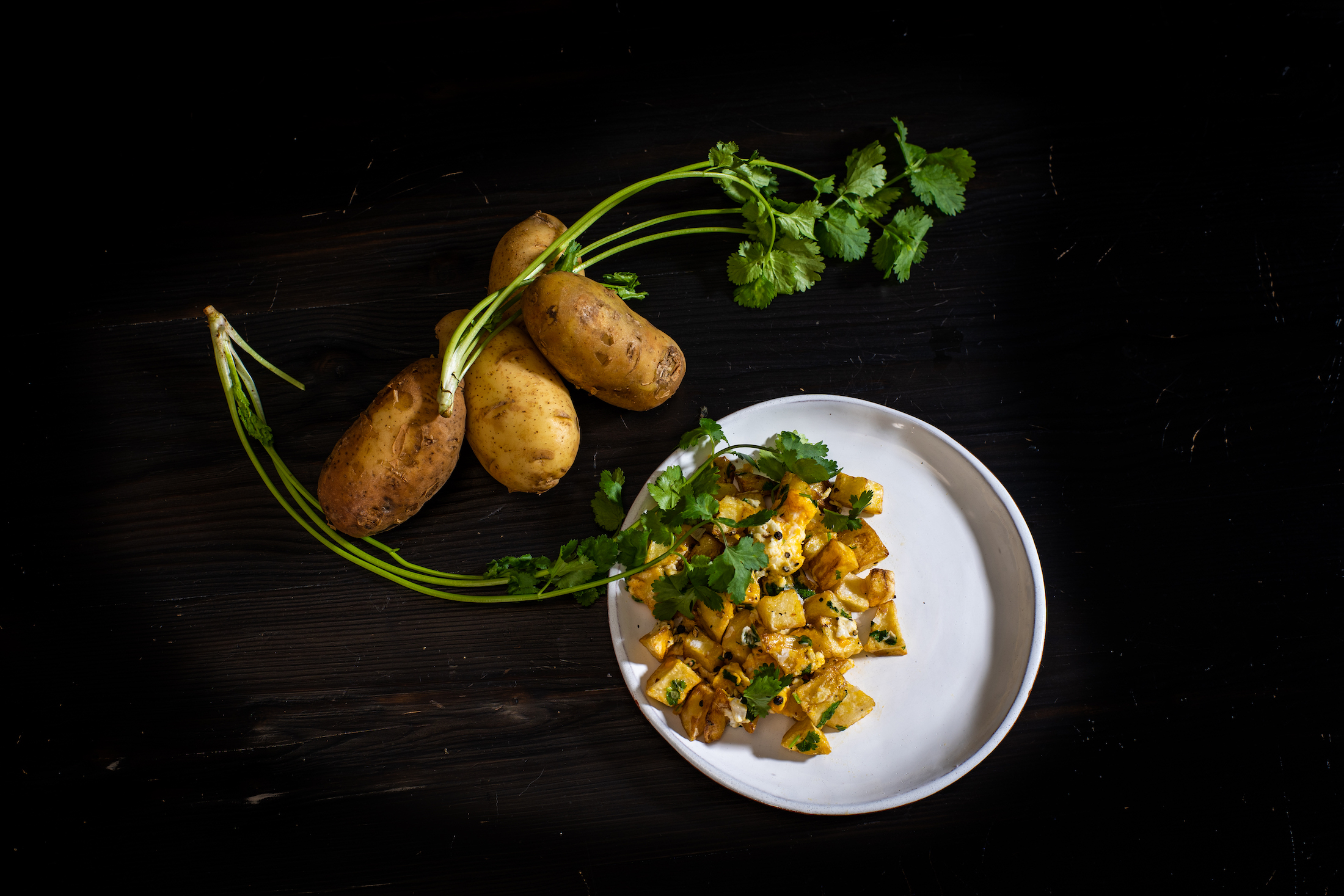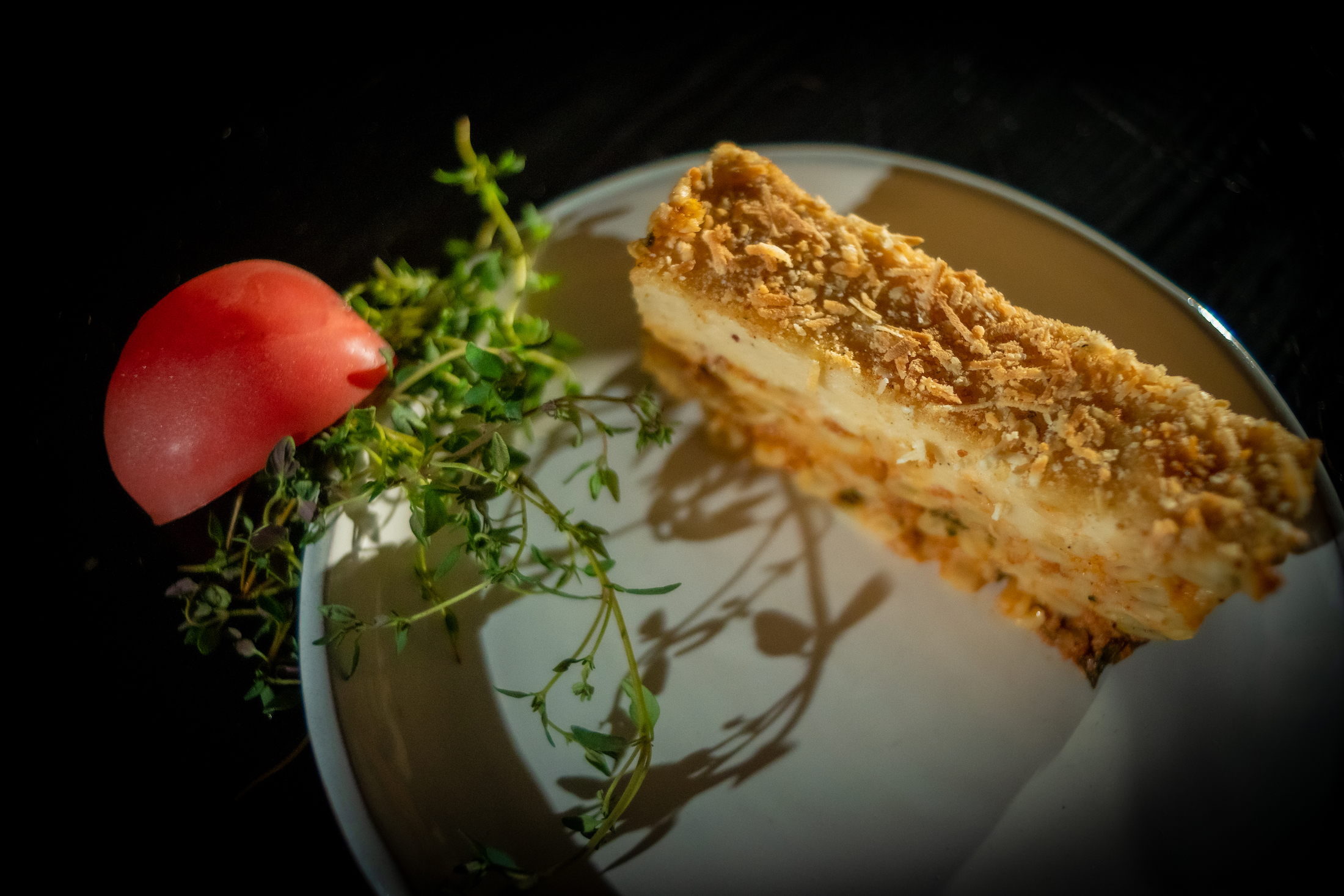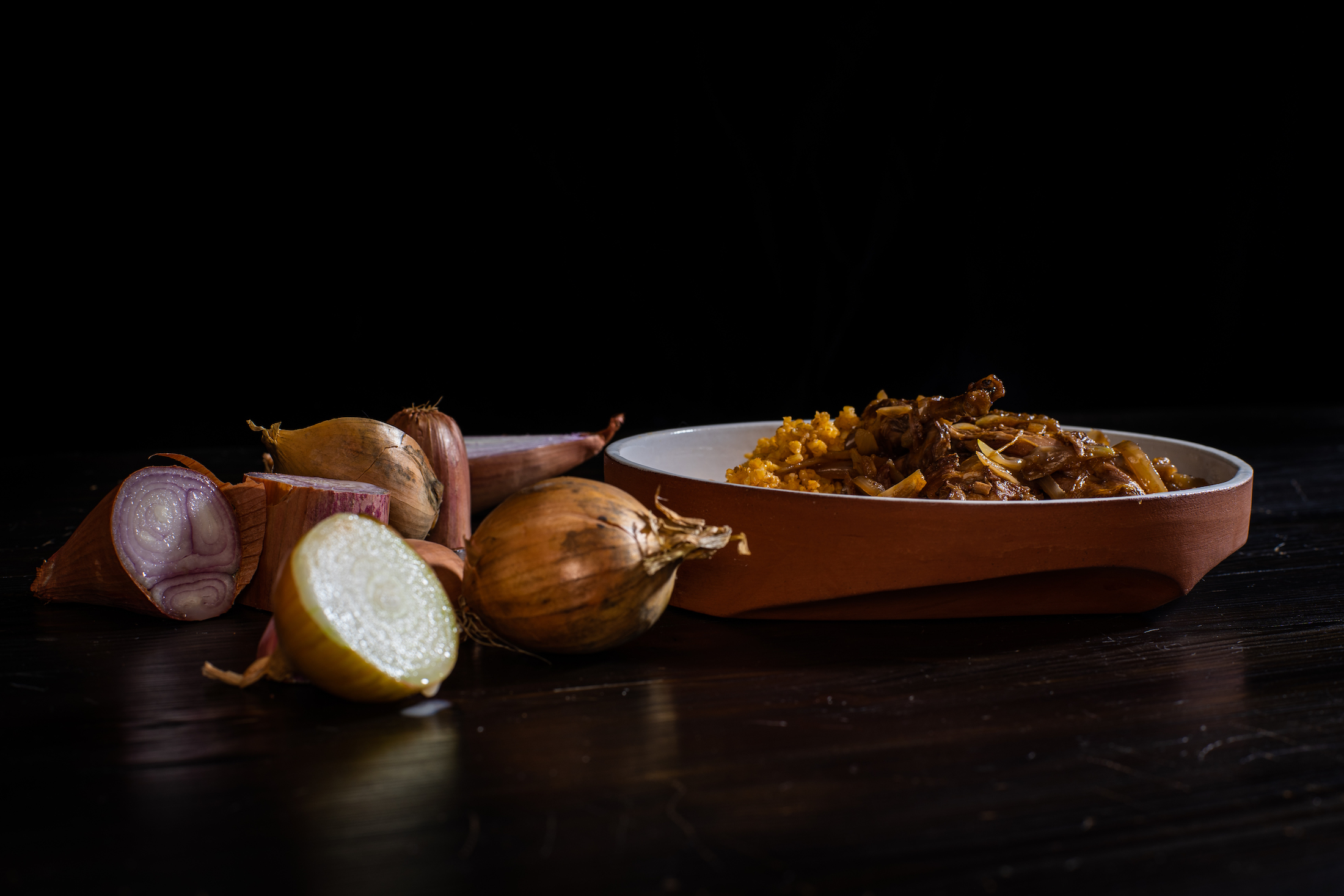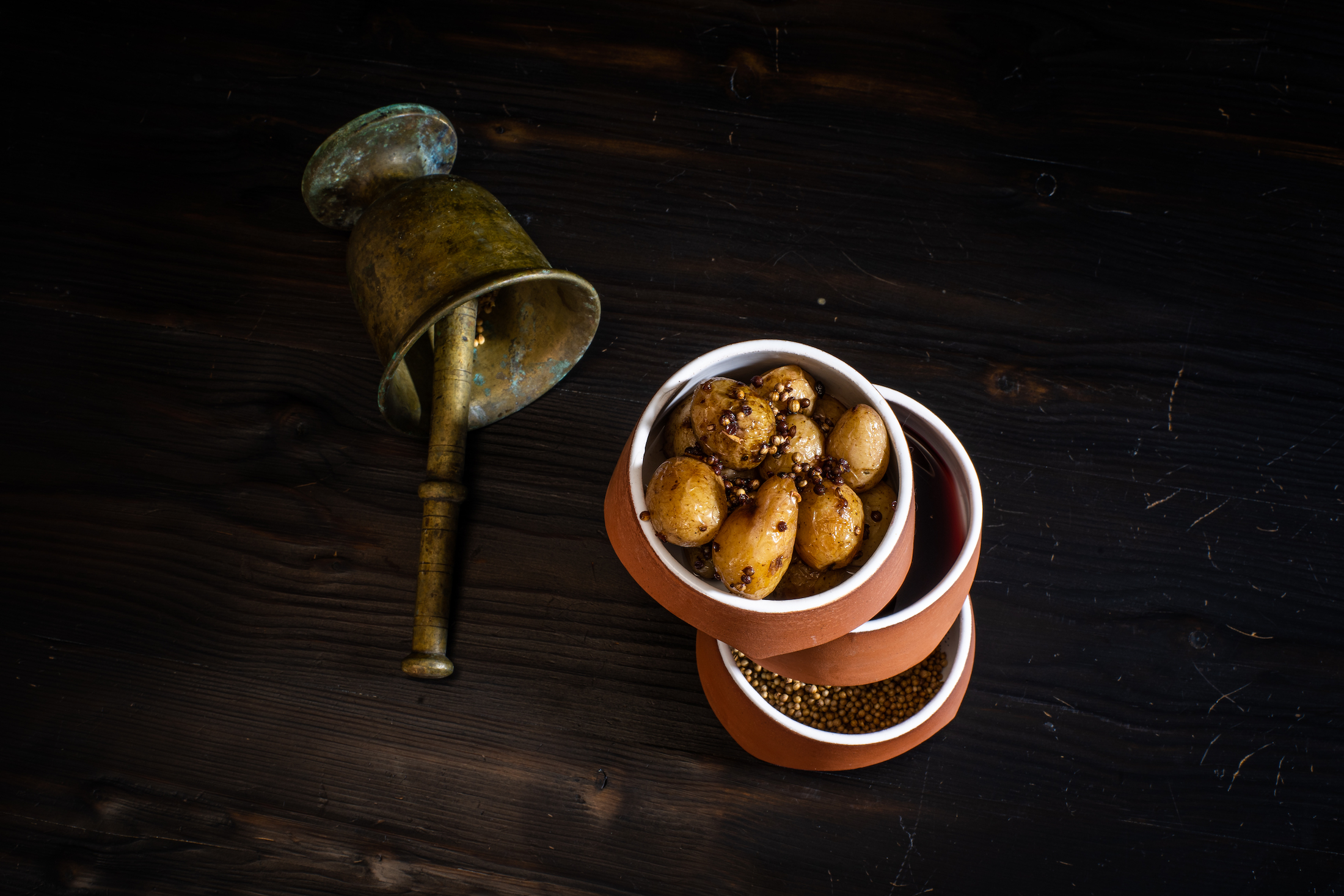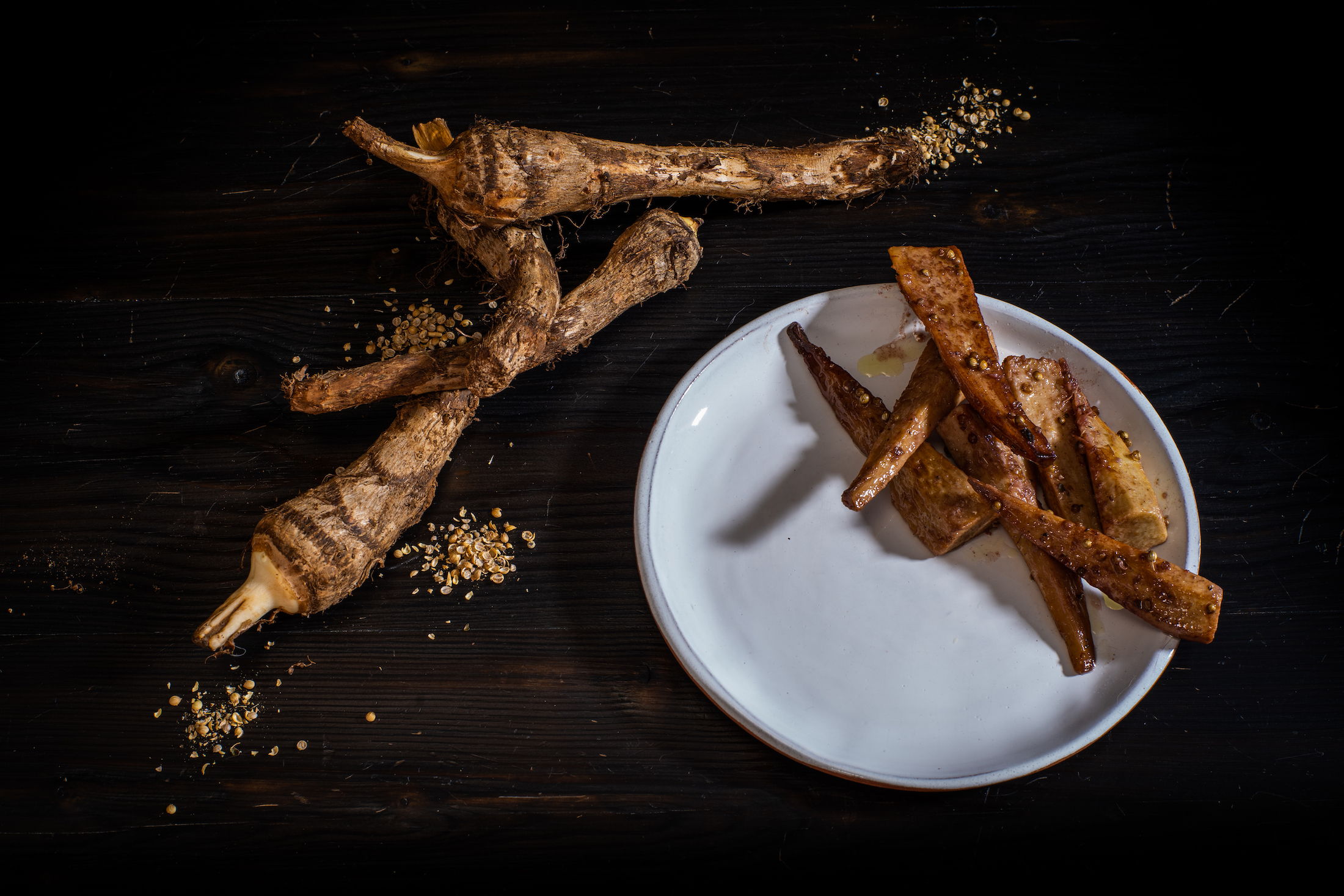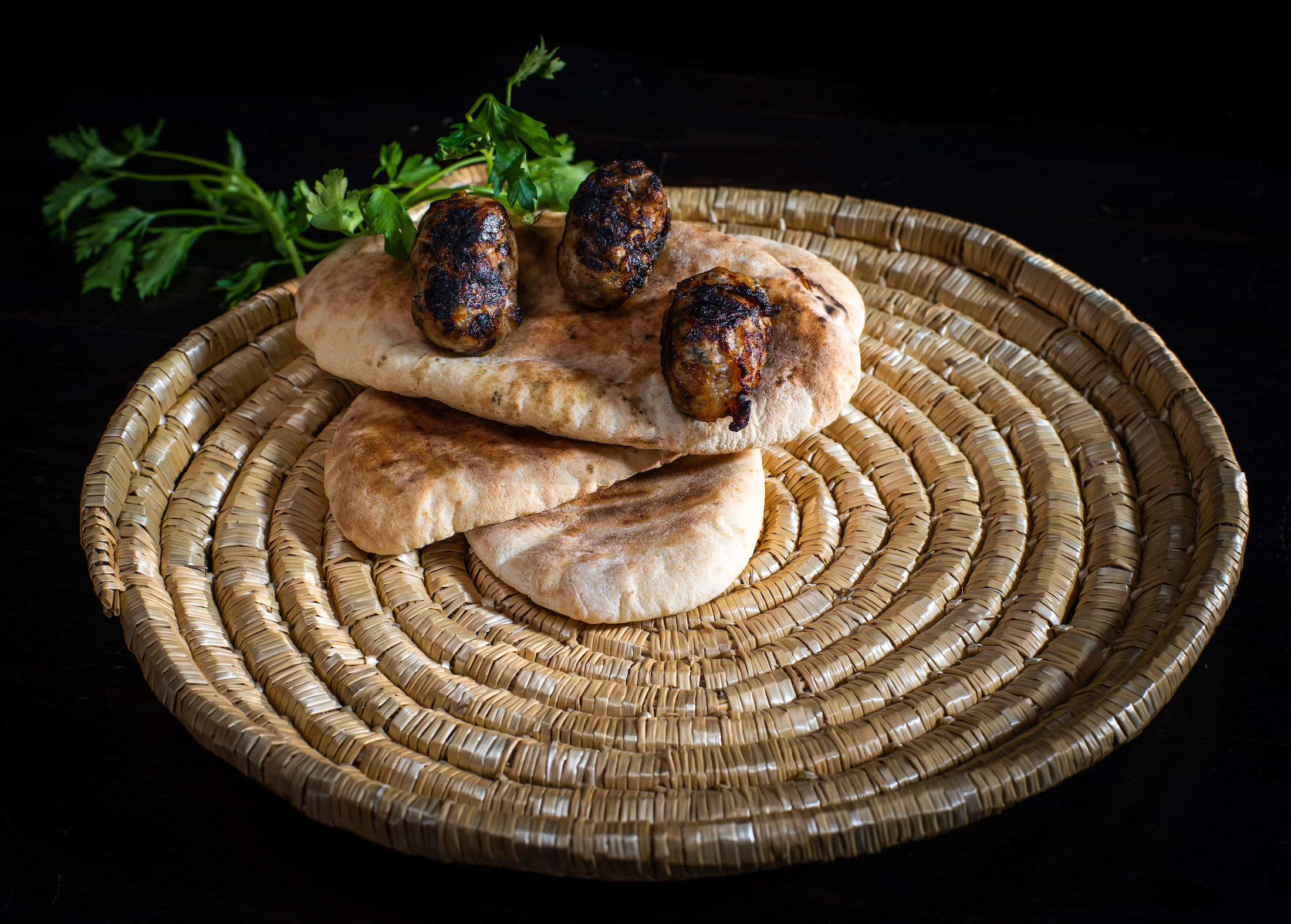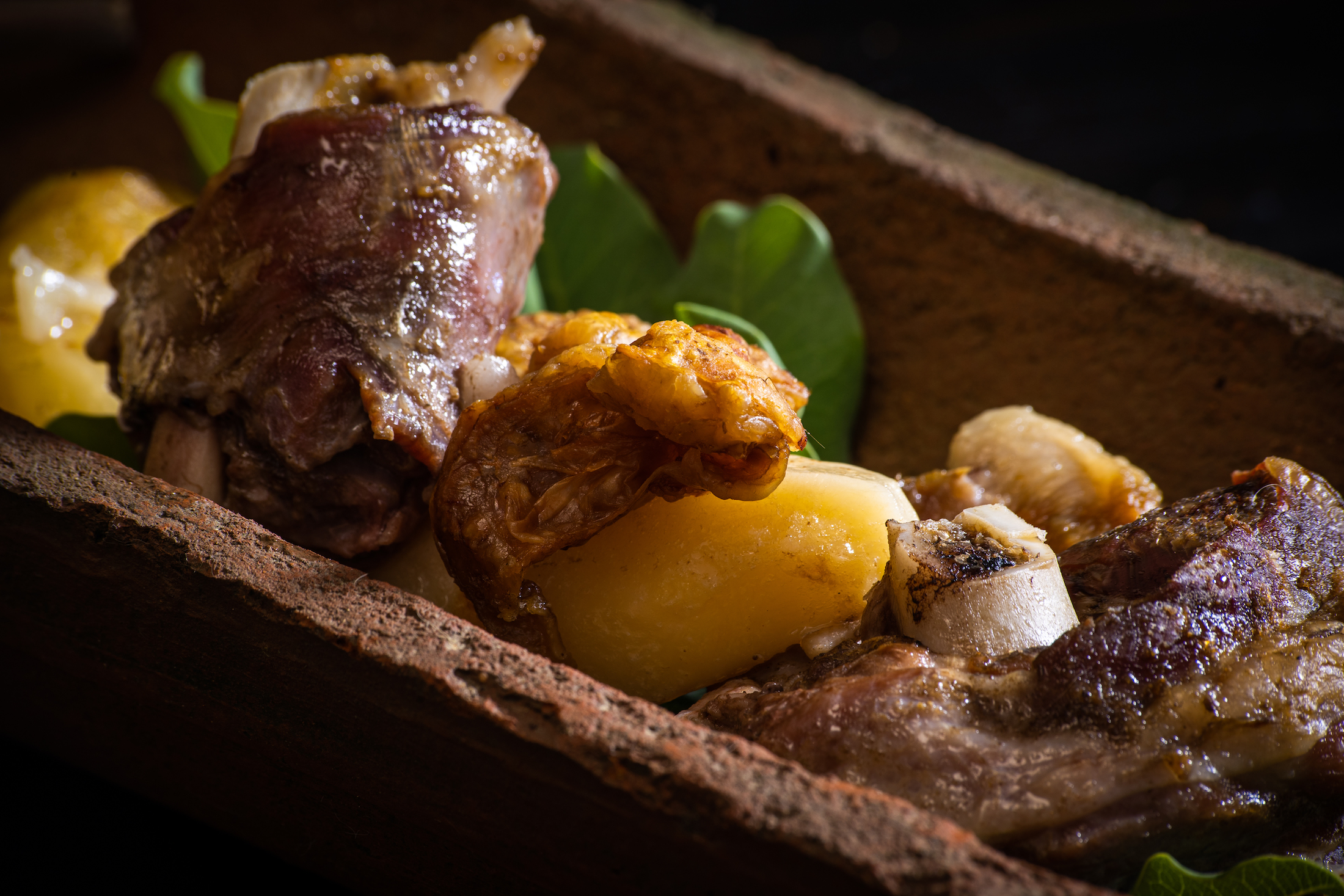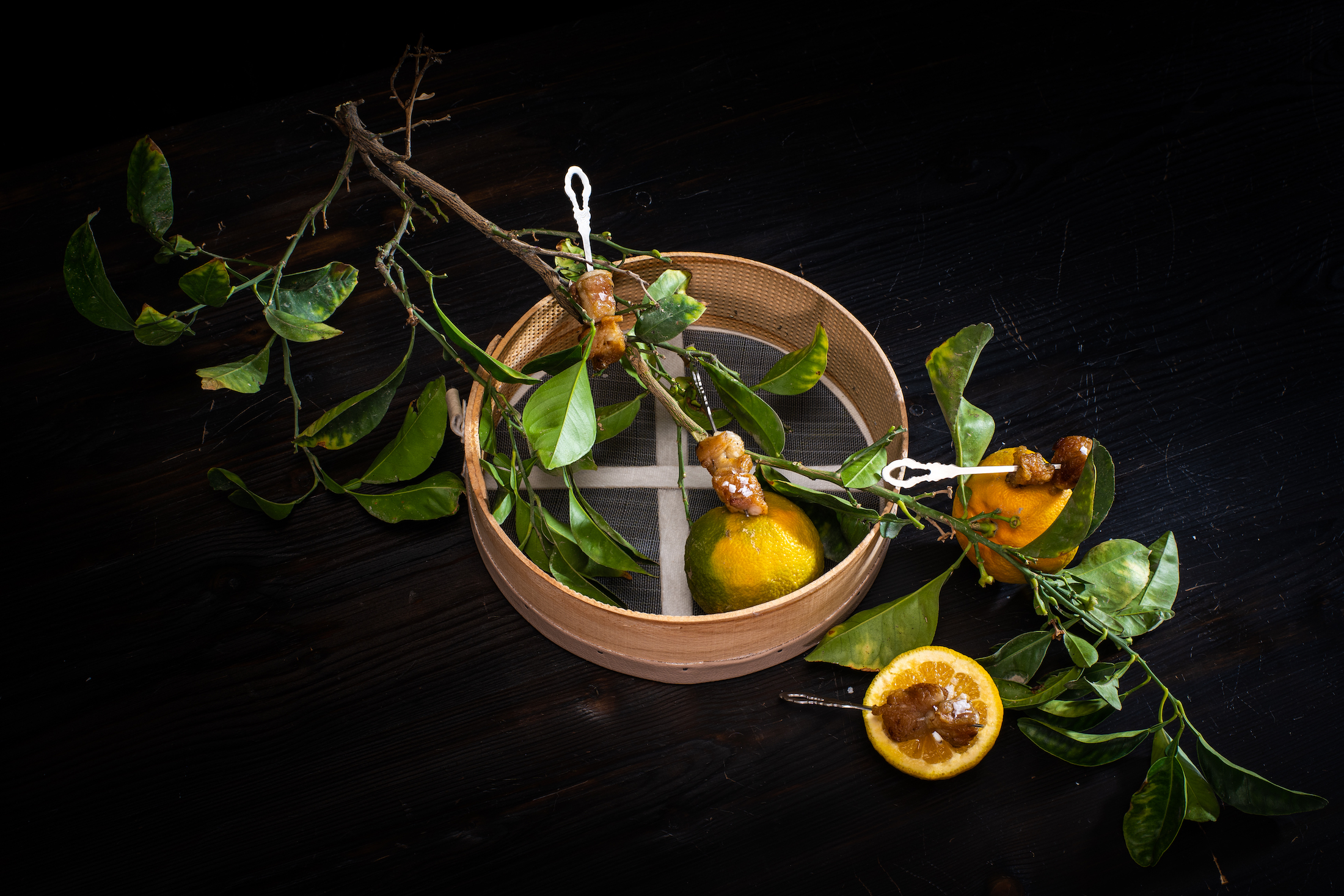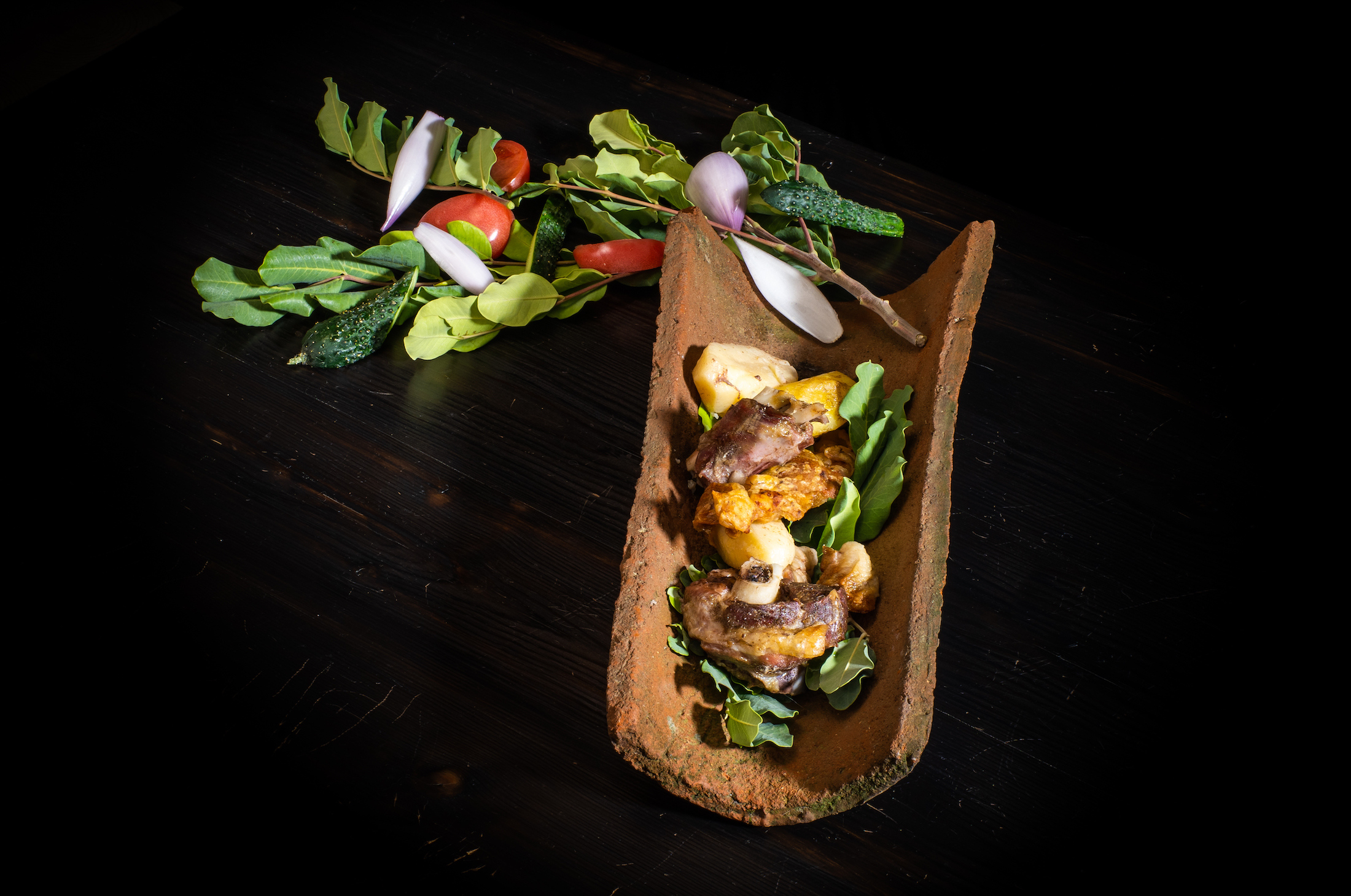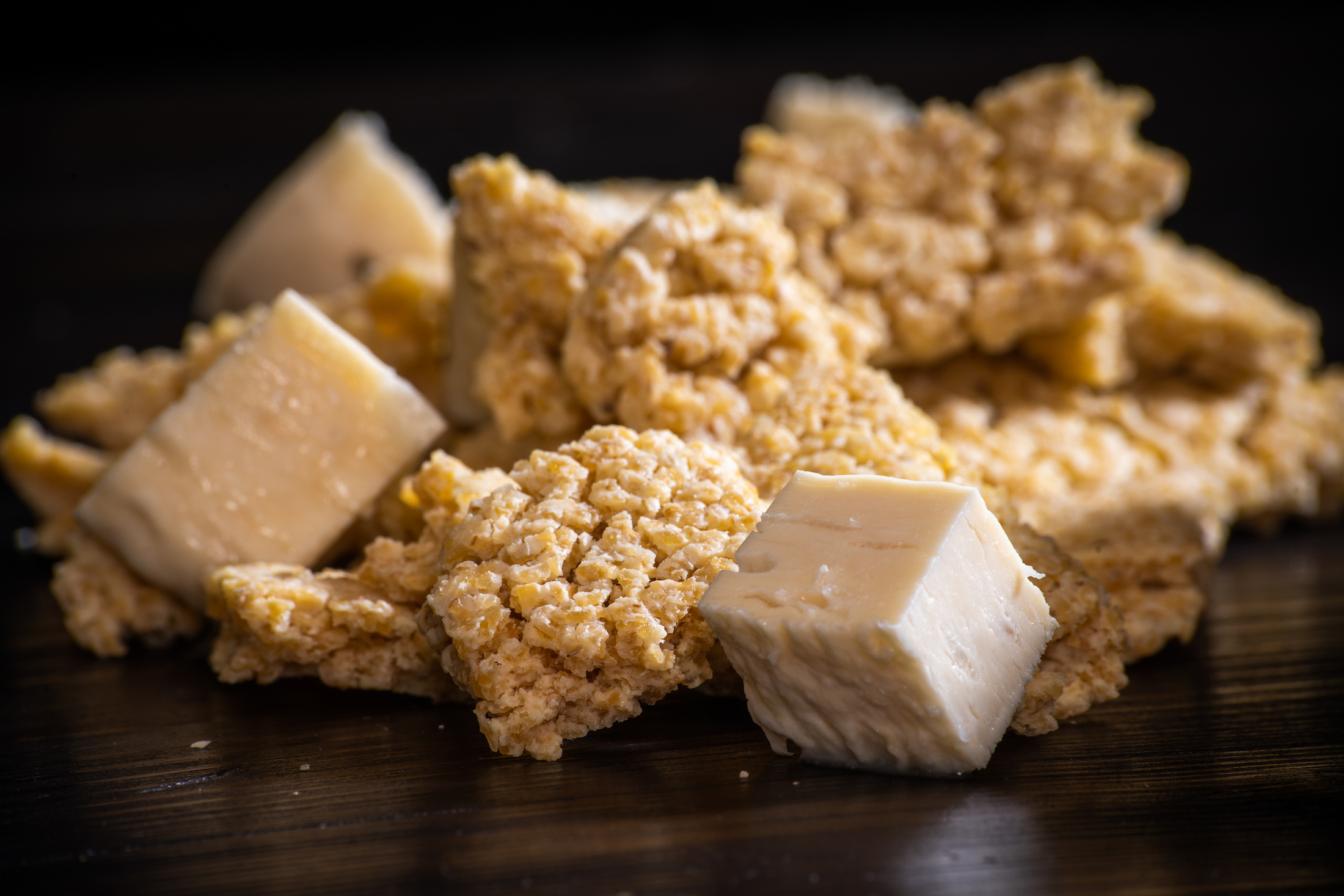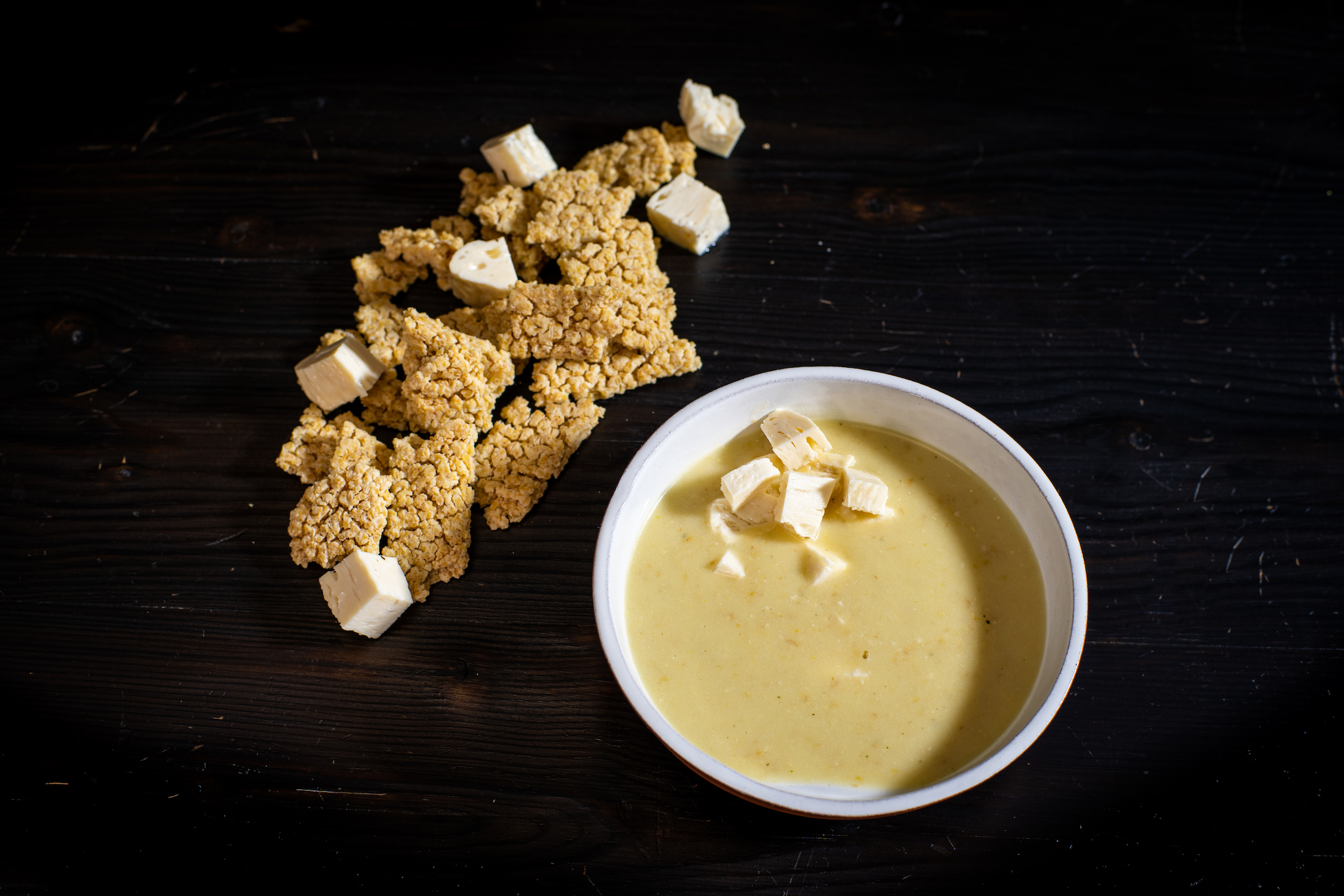
3 Forks Lab has devoted considerable time and effort to documenting and cataloguing local ingredients and recording traditional Cypriot recipes. This sustained preservation effort has now turned into a full-fledged project conducted under the auspices of Cyprus’s Deputy Ministry of Tourism.
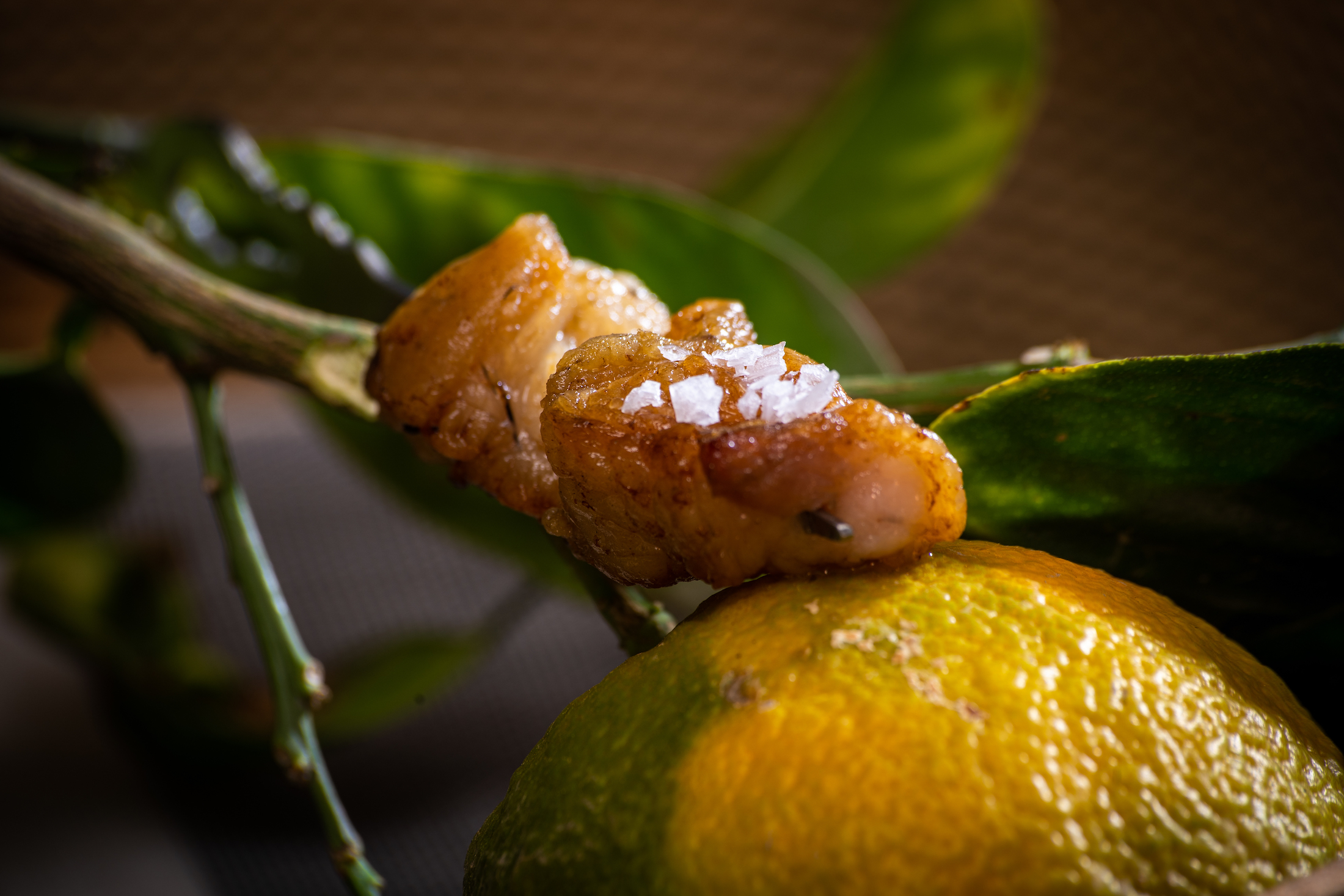
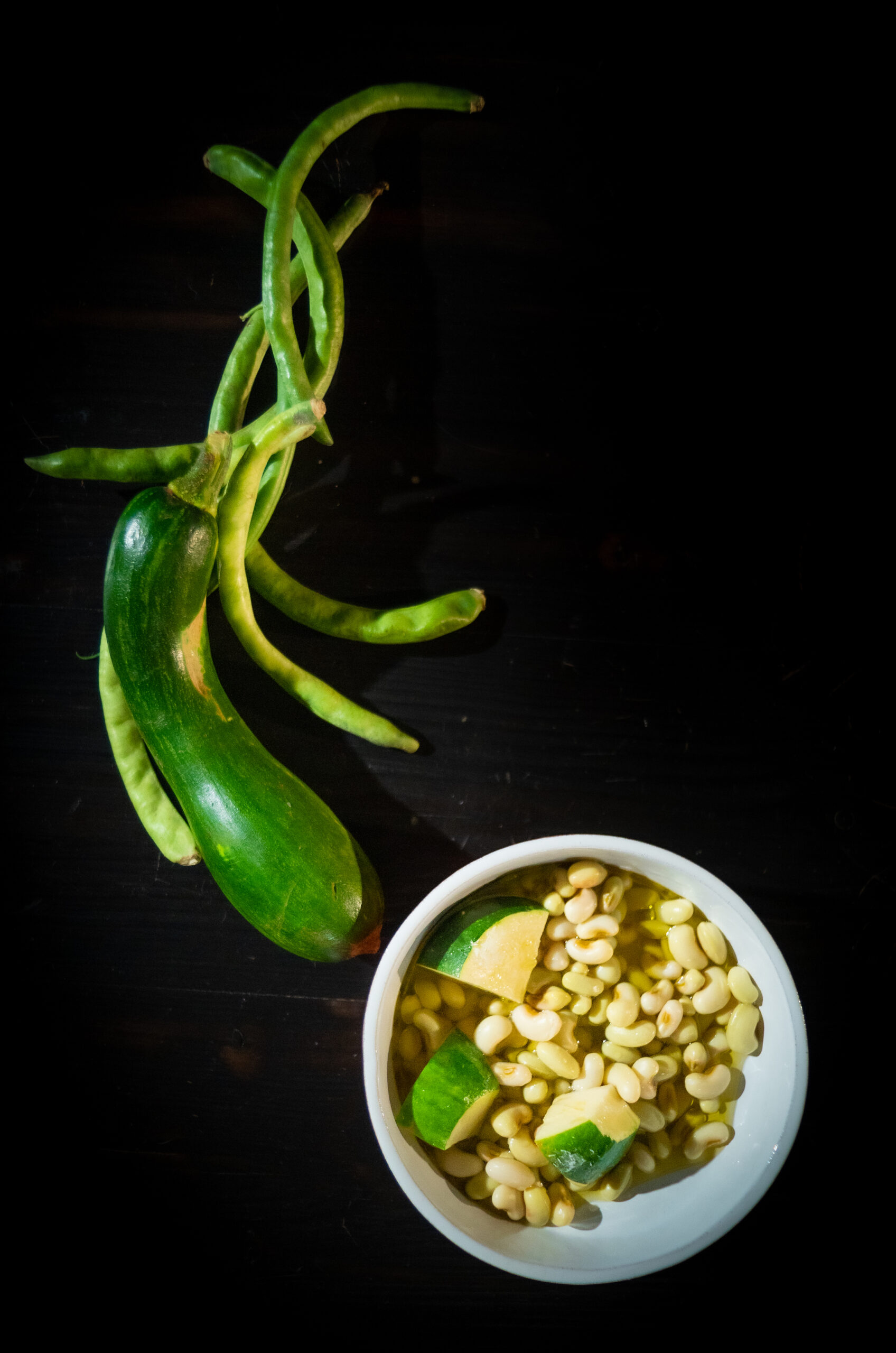
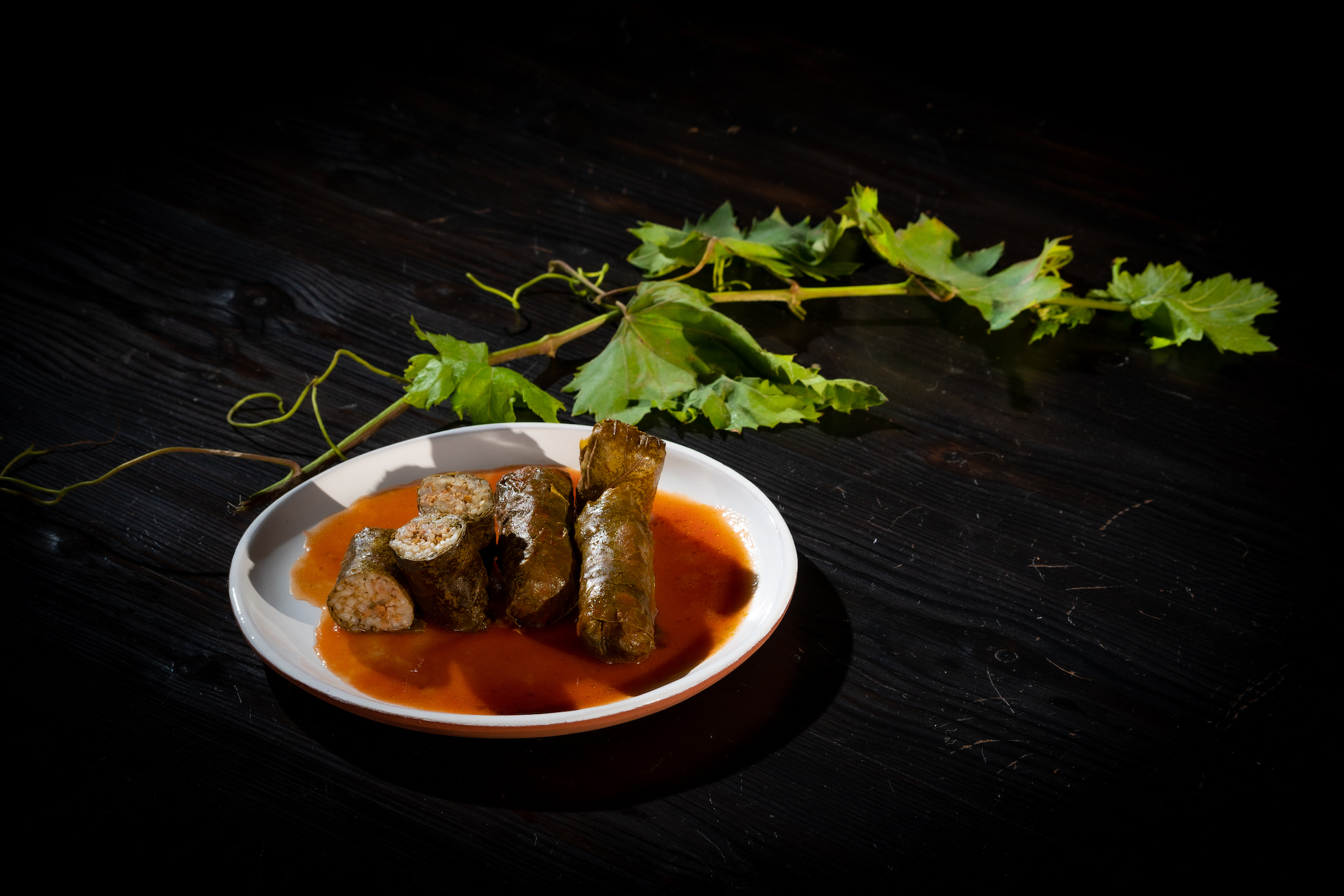
First-time visitors to Cyprus could be forgiven for assuming that the local cuisine is hearty but one-track. Skewered, charcoal-grilled meat appears to be the default setting. In fact, the protein-heavy richness is misleading. Being an amalgam of several regional cuisines, Cypriot cuisine features legumes and grains prominently, makes the most of fresh seasonal produce, and is quite crafty with the herbal and aromatic accents of mint, coriander, cumin, parsley, thyme and oregano. It could hardly be otherwise. Chronic exposure to cultural influences stemming from migrations, invasions and trade does wonders for culinary diversity and innovation.
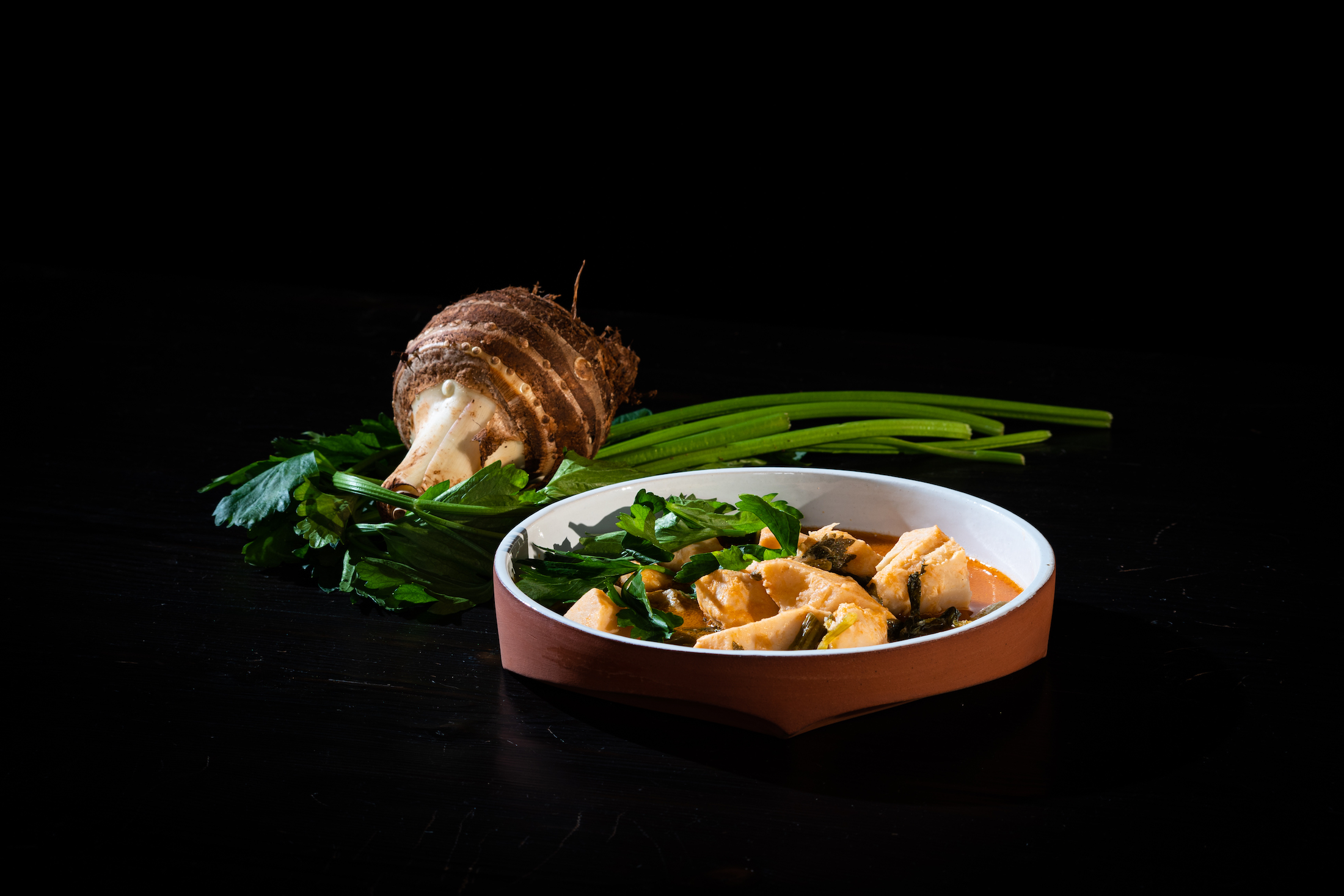
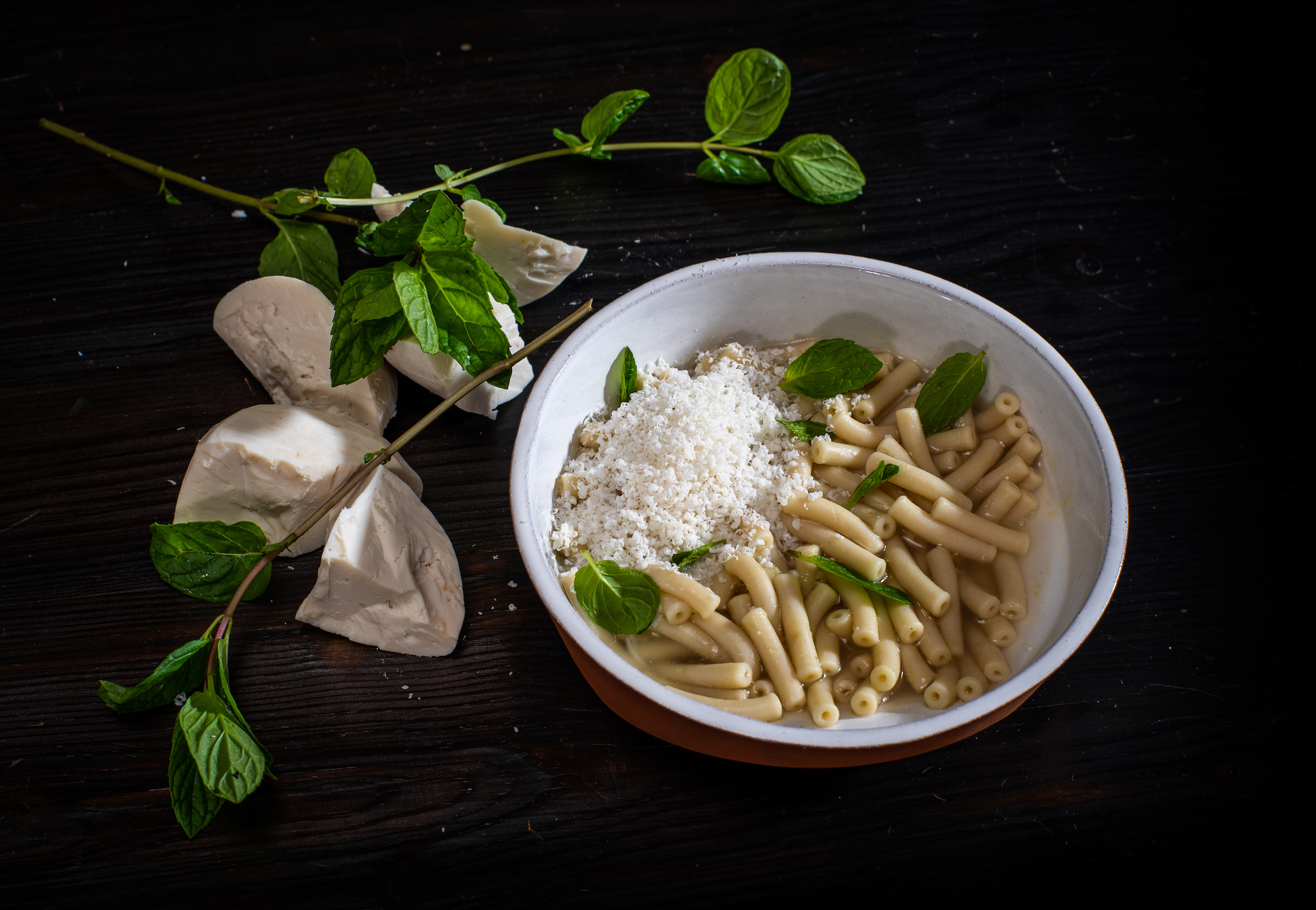
The first Muslim invaders landed on these shores about 1200 years ago, and brought with them several foods that would become local staples, including hard wheat, citrus fruits, artichokes, kolokasi and aubergines. The Lusignan acquisition in the late 12th century was an inflexion point in the island’s culinary history. It sparked a significant migration wave made up of Greek-Orthodox Syrian Melkites, Maronites, Nestorians, Armenians and Copts. They all enriched local culinary culture but Syrian Christians left a particularly strong mark: for instance, the introduction of moussaka (layers of aubergine, potato and minced meat) and paluze (grape-juice-based dessert) is traceable to them. The Venetian period (which started in the late 15th century) saw the introduction of many a beloved dish, such as ravioles, a local iteration of the Italian classic that mixes aged halloumi, eggs and mint.
The historical pattern is quite clear: culinary exchange and fusion are recurring motifs in the history of Cypriot cuisine. Our documentation and showcasing effort is not a dry academic exercise, however. A deeper and more nuanced understanding of history and identity is not only spiritually nourishing. It provides potent fuel for future culinary innovation.